Interview
A Switzerland with high quality of life for everyone
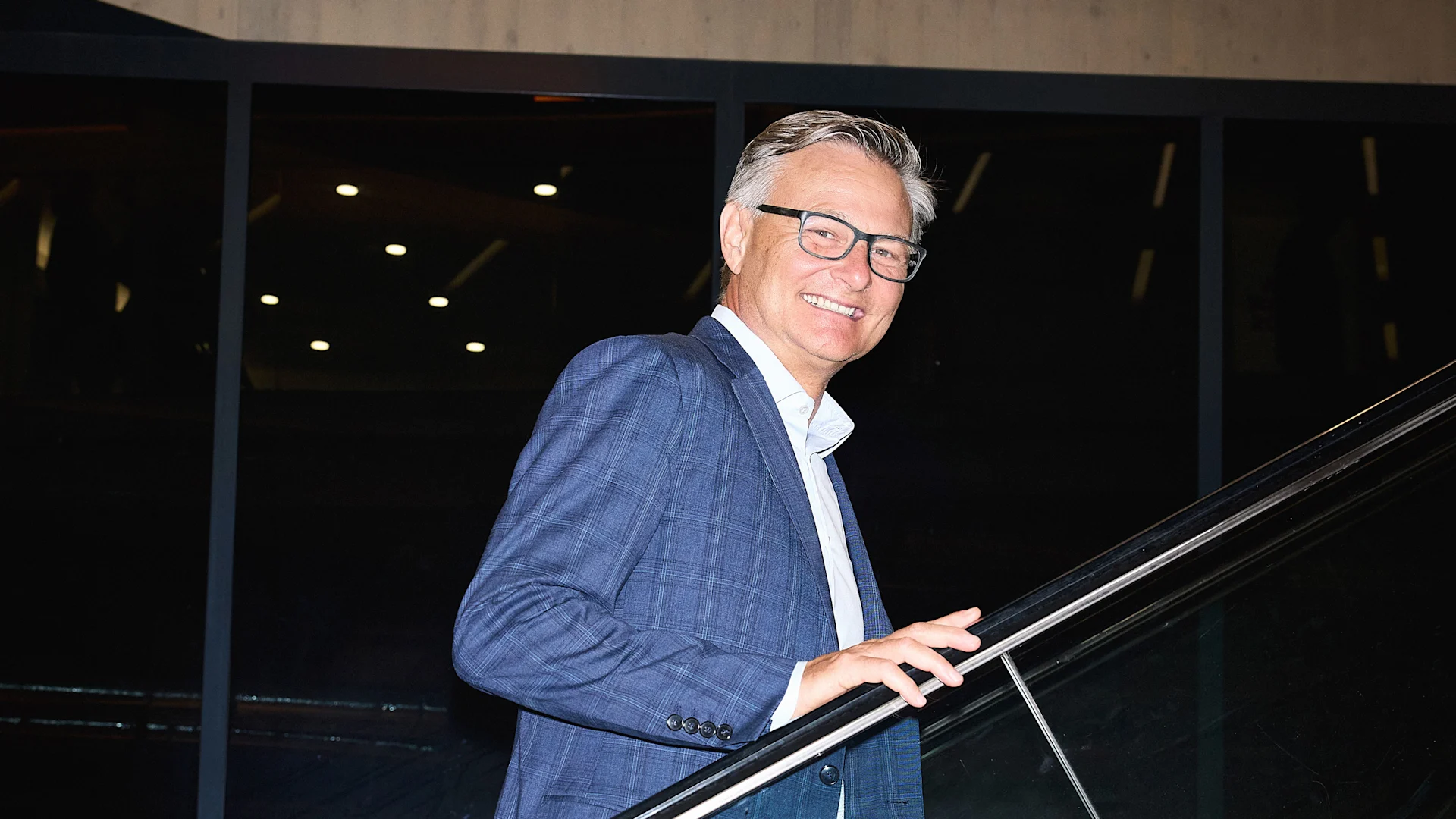
In our interview, Mario Irminger outlines the Migros Group’s ambitions for its second century.
navigation


Interview
Time and again, medicines are in short supply in Switzerland - sometimes with serious implications for those affected. Zur Rose CEO Emanuel Lorini explains why and how the medical wholesaler and online chemist is tackling the issue.
The painkiller buprenorphine has been hard to obtain for months now. That’s a real problem for people in severe pain, for example after operations. Is this a typical case?
Unfortunately, yes. All types of medicines can run short. More than 700 packages are currently unavailable. That’s about 4% of the medicines registered in Switzerland. Shortages of painkillers, anaesthetics and antibiotics are particularly serious because they have an immediate impact on human suffering.
Do people in pain or who are suffering from Parkinson's disease have to accept that their usual medicine might suddenly become unavailable at any time?
This situation can arise in certain cases. However, if critical medication is not available, patients can often work together with their doctor or chemist to find a solution in the form of an equivalent preparation.
How long do these shortages usually last?
Often just a few weeks. However, supply problems for some medicines can go on for months. As a wholesaler, we have expanded our stocks in a very targeted way. For every 100 medicines ordered, we can currently deliver 99 on time and in the required quantity. However, that's only because we stock at least two months’ supply of critical medicines.
Supply shortages with key medicines have been getting worse for years now. Why is that?
We rely heavily on global supply chains. The individual components of drugs are often manufactured at different locations. What’s more, there is huge price pressure on preparations that are no longer patented. This is why the production of raw materials is concentrated in low-wage countries like China and India. Geopolitical conflicts, logistics problems and disruptions at a factory can quickly threaten to disrupt the entire supply chain.
Is Switzerland partly to blame for the problem?
We have a growing and ageing population which increases demand for treatments. Intense price pressure and strict requirements on the authorisation of medicines are key factors too. This is making our market increasingly less attractive for manufacturers, which has an adverse impact on supply security.
The Swiss Federal Government now wants to simplify procurement. For example, it intends to eliminate the need for Swiss-specific packaging for medicines that are permitted in Switzerland and the EU. Will this help to alleviate the situation?
Removing barriers on packaging requirements is a worthwhile step. It will make production planning easier for manufacturers and may help reduce pressure in certain areas. However, this doesn’t address the causes of the supply shortages, such as intensive price pressure on the production of generic drugs and fragile international supply chains.
For years now, the national price watchdog has been complaining that generic drugs cost significantly more in Switzerland than abroad. How can this be?
Generic products are among the cheapest medicines. The prices reflect the generally higher wages and production costs in Switzerland, which are higher than abroad for other goods too. They are set by the government and reassessed regularly to cut costs while still guaranteeing a steady supply.
Shouldn’t Switzerland be better prepared? After all, we have Roche and Novartis.
Roche and Novartis are doing their utmost to supply Switzerland with enough medication. But together they only cover a small proportion of registered drugs. They mainly supply patented original products. The shortages mainly concern patent-expired drugs.
What does Zur Rose do if a particular medicine is in short supply?
Provided we have enough in stock, we initially simply monitor developments. If the shortage persists, we consider alternatives. For instance, can we switch to other suppliers? Is the medicine available in a different dosage? Or is there an alternative preparation with the same active ingredient, i.e. a generic product? We then inform doctors and chemists about the alternatives.
The Swiss Federal Council aims to alleviate shortages by improving the categorisation of medicines and keeping a closer eye on the market. What's your view on that?
Federal Government should aim to create the right conditions. It sets the purchase prices for medicines. Regular price cuts - especially for low-cost medicines that have been on the market for longer - jeopardise profitability. Stable prices for critical medicines coupled with guarantees may encourage manufacturers to improve availability in Switzerland.
What can patients do themselves to prevent shortages?
I advise against stockpiling, not least because drugs have an expiration date. It’s better to reorder medicine as soon as you start using your last box or blister pack. If a shortage situation arises, you should consult a doctor or chemist quickly to discuss alternatives.
Discover exciting stories about all aspects of Migros, our commitment and the people behind it. We also provide practical advice for everyday life.
Interview
In our interview, Mario Irminger outlines the Migros Group’s ambitions for its second century.

Medbase
Marcel Napierala explains how Medbase is tackling rising healthcare costs.

Movemi
Investing in your body is the key to keeping fit in the long term. An expert explains how to achieve this goal.

Migros Group
About 50 couples a year celebrate their wedding at special locations owned by Migros, such as the Gurten.

Migros anniversary
Comedians Nathalie Devantay, Charles Nguela and Flavio Sala reveal what makes their audiences laugh.

GDI
Read our interview with Miriam Meckel to find out how AI facilitates your everyday life and what rules we need worldwide.

Sustainability
Reto Knutti, a climate researcher at ETH Zurich, explains the role played by large companies like Migros.

Work environment
They already know Micasa well. An interview with the new owners of Micasa.

Work environment
We asked people from the Migros world about their views on equality and work-life balance.

Medbase
Which herbs help with which complaints and illnesses? Herbal expert Nelly Richina provides insight.
Work environment
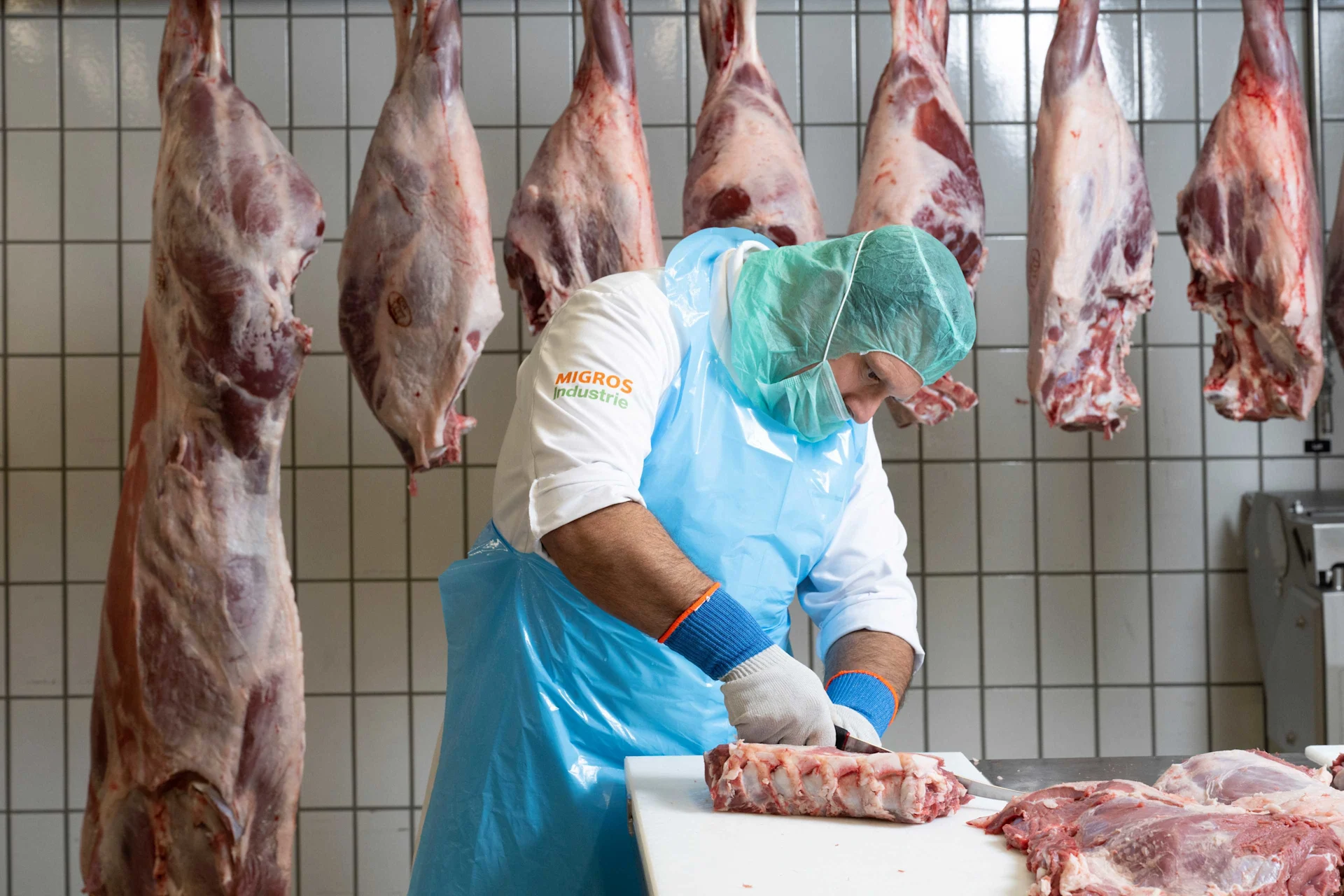
Marco Eisenlohr from Micarna explains what he loves about his job and the prejudices he has to contend with.