Progress in the network
Our success stories
Together with our partners, we are actively involved in a number of areas. We present some of the areas here.
navigation

Our alliances

We work with various partner organisations to promote sustainable development. We aim to actively engage in social, political and ecological processes.
The shift towards greater sustainability is a huge task that we can tackle better with our allies. That is why we are active as a partner or member in selected national and international organisations, associations, initiatives, interest groups and networks. Together, we are committed to sustainability and have already achieved a great deal.
Swiss Animal Protection (SAP) is the oldest nationally active animal protection organisation in Switzerland. As the umbrella organisation of regional animal protection associations in Switzerland and the Principality of Liechtenstein, it raises awareness among animal owners and consumers through broad-based information campaigns, training events and information material for holistic animal protection.
The SAP inspects the slaughterhouses and slaughter animal transports for the labels IP-Suisse, Weide-Beef, Bio Weide-Beef and the Optigal brand offered by us. Furthermore, there is a regular exchange of information on improving animal husbandry in our product range.
Caritas Switzerland is a non-profit organisation that supports people in need and focuses on solidarity and social justice. It supports individual people and families affected by poverty by providing specific types of support, such as financial advice, integration programmes or educational projects.
Migros supports Caritas by making food donations.
The Energy Agency of the Swiss Private Sector (EnAW) was founded in 1999 by several trade associations. The EnAW supports industrial, commercial and service companies in reducing their CO2 emissions and increasing their energy efficiency.
Since 2002, we have been working with the EnAW to draw up individual target agreements for its companies. We provide the Confederation and cantons with evidence of target achievement in an annual monitoring process. We also take part in the EnAW’s vehicle and driving efficiency programme.
We obtain services and provide services for Migros companies together with the EnAW.
The Swiss Sustainable Building Network (NNBS) was founded in 2012 with the aim of promoting and coordinating sustainable building in Switzerland.
We are one of the founding partners. Our membership of the association expresses our strong commitment to sustainable building. The association brings the players in sustainable building into contact with each other, pools resources and develops pragmatic tools for putting ideas into practice.
The Swiss Foundation for Environmental Management (PUSCH) deals in particular with all issues relating to waste, resources and consumption.
We have been a member since 1987. We are also a partner (through IG Retail Trade) of the national campaign against food waste “Save Food, Fight Waste” run by the PUSCH Foundation.
Since 2013, we have been supporting the two organisations Swiss Table and Tischlein deck dich as part of the “foodbridge” project, both with food donations and financially. In 2024, the contract with the two organisations was renewed for the period 2024-2027.
The aim of the organisations is to reduce food loss in Switzerland and distribute food to those in need with the help of volunteers.
In addition to “foodbridge”, we also work with other organisations such as Caritas, Partage and Tables du Rhône.
United Against Waste is an industry association in the food sector. It is actively committed to reducing food waste in the entire food industry.
With the membership of the entire Migros Group, we are putting food waste reduction on the agenda in collaboration with the industry. One of the UN Sustainable Development Goals is to halve the amount of food waste by 2030.
The focus is on implementing the action plan against food waste together with the Federal Office for the Environment (FOEN), which is pursuing this UN goal.
Swiss Bicycle Delivery Services (VLD), founded in June 2013, promotes the planning, implementation and operation of sustainable goods delivery services throughout Switzerland, in particular bicycle home delivery services. The association provides the stakeholders with a network offers them services.
As a founding member, we represent the VLD members of the retail trade on the executive committee. Around 20 bicycle delivery services or locations are part of the VLD network. A bicycle home delivery service is available at around 40 of our stores and 20 Denner stores.
WWF Switzerland is the largest environmental organisation in Switzerland and is structured as a non-profit foundation. Its goal is to stop the global destruction of the environment and, together with the stakeholders involved, to shape a future in which people and nature live together in harmony.
Migros has maintained a strategic partnership with WWF Switzerland since 2009. This partnership was extended to the Migros Group in 2023. We have set ourselves common goals in the areas of climate, deforestation and feeding the planet.
Minergie is a Swiss building standard for new and modernised buildings. The brand is jointly supported by the economy, the cantons and the federal government, and is protected against misuse. We have supported Minergie since 2003 and are actively involved in the standards for supermarkets and restaurants.
We and Mobility – the largest car-sharing company in Switzerland – have maintained a programme partnership since 1998. By way of example, Cumulus points are awarded for Mobility journeys, and many of our companies use Mobility cars for business trips.
In 2017, we launched the M-Climate Fund in collaboration with myclimate.
The aim of the fund is to implement climate protection projects along the Migros value chain (including at our suppliers).
Myclimate manages the fund for us. The fund is financed by Migros’ incentive taxes (e.g. for air transport) and climate contributions from our customers.
In February 2020, we committed to setting ourselves climate protection targets in accordance with the Science Based Targets initiative (SBTi).
The SBTi is a collaboration between the CDP, UNGC, WRI and WWF, which aims to encourage companies to take science-based climate protection measures in line with the Paris Agreement.
The Federal Office for the Environment, or FOEN, has a mandate to ensure the sustainable use of natural resources such as soil, water, air, tranquillity and forests. The federal government is therefore also working with industry players to promote peat reduction. Peat extraction causes environmental damage in terms of climate and biodiversity. Peat may not be extracted from Swiss moors, which have been protected since 1987; however, large quantities of peat are imported every year.
We are participating in the federal government’s peat phase-out concept and have been in direct contact with the FOEN since 2017; however, we were already active in this regard before the federal government’s initiative and have been selling exclusively peat-free bagged soil since 2013. We are also committed to peat reduction in potting soil for ornamental plants. In 2022, we also signed the declaration of intent for peat reduction in vegetables and herbs.
Formal annual meetings are held regularly with the most important agricultural associations. This includes, for example, regular dialogue with the Swiss Farmers’ Union (SFU). These meetings supplement the topic-related contacts during the year.
We work closely with partners such as IP-Suisse, Bio Suisse, etc. to continuously improve animal welfare in the label programmes.
The Federal Commission for Nutrition (FCN) is an advisory body to the Federal Council and the Federal Food Safety and Veterinary Office (FSVO).
The FCN is made up of representatives from the education and research sector of nutrition and food science and nutritional medicine, the food industry and trade, as well as consumer organisations.
We are represented on the Commission.
Member: Gabi Buchwalder, Project Manager Economic Policy Directorate, Federation of Migros Cooperatives
The Federal Commission for Consumer Affairs (FCC) is an advisory body to the Federal Council and the departments on consumer policy issues. The FCC is made up of representatives of consumers, business and academia.
We are represented on the Commission.
Member: Gabi Buchwalder, Project Manager Economic Policy Directorate, Federation of Migros Cooperatives
espace.mobilité is an interest group of leading Swiss retail companies. It is committed to effective, holistic and sustainable solutions.
We are a founding member and regularly contribute to issues of spatial planning, transport and environmental policy.
EspaceSuisse is the Swiss Association for Spatial Planning. It sees itself as an information and discussion platform for cantons, municipalities and private individuals on spatial planning and environmental issues. The association is committed to the sustainable development of Switzerland as a living space.
It promotes networking between the various actors in the field of spatial development. These include the federal, cantonal and municipal authorities, economic and environmental organisations, municipal and professional associations, universities, and higher-education institutions.
The Federation of Swiss Food Industries (fial) is an amalgamation of Swiss food industry associations whose purpose is to uphold the shared economic and political interests of the affiliated industries and their member companies.
We have been a fial member for many years and are represented on the Food Commission, for example.
The Agrarstandort Schweiz (IGAS) (Swiss Agriculture) interest group was founded in 2008. It is a platform of farmers, consumer organisations, retailers and food producers.
IGAS is committed to sustainable agriculture and deals with various opening scenarios for the Swiss agriculture and food industry. However, it also addresses domestic policy issues if they are relevant with regard to the possible opening of the value chain.
Member of the executive committee: Jürg Maurer, Deputy Head of Economic Policy, Federation of Migros Cooperatives.
Interessengemeinschaft Detailhandel Schweiz (Retail Trade Association of Switzerland) has been committed to the concerns of the industry in politics and the public since 2006.
The core issues of the Retail Trade Association are the dismantling of price-driving trade barriers and partnership-based solutions in the areas of food safety, environment, energy, recycling, littering and goods traffic.
We are a partner of the Interest Group for a Clean Environment (IGSU) – a platform in the fight against littering. It has been supporting its members and the authorities in numerous projects for cleanliness in public spaces since 2007.
In addition to providing collection infrastructure in the stores and various logistics services, we are involved in voluntary measures that help in the fight against littering.
By way of example, we have previously supported the “space sponsorship” project, where individuals and groups voluntarily take responsibility for a specific space and ensure that these places remain clean and litter-free.
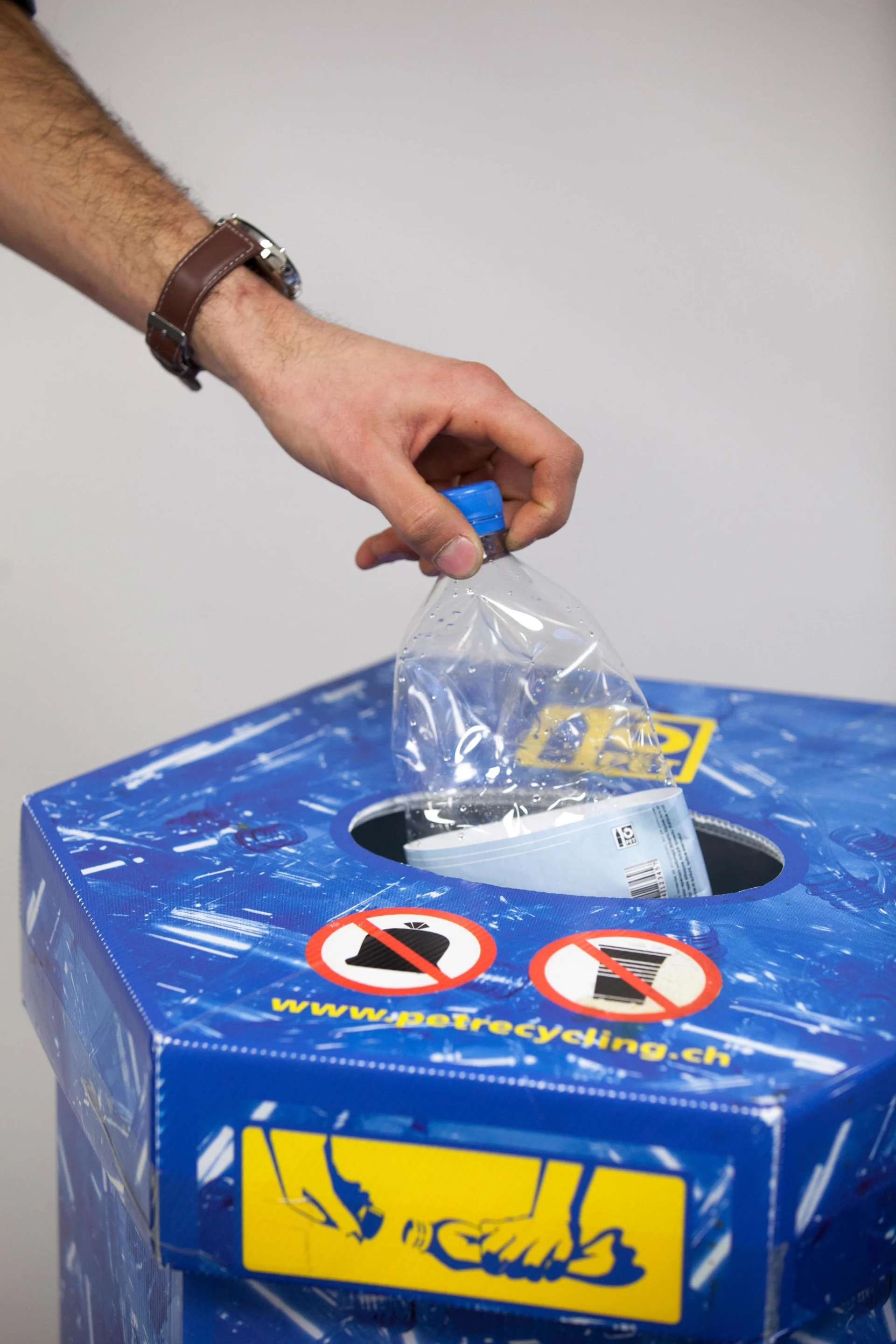
The PET Recycling Switzerland (PRS) association has been organising the collection of PET beverage bottles in a nationwide disposal network since 1990. The aim is to achieve a national recycling rate of at least 75%. The rate was set by DETEC – the Federal Department of the Environment, Transport, Energy and Communications. Pleasingly, this rate currently stands at over 81%.
We are a founding member and collect the most PET beverage bottles in the retail trade. We take part in various board meetings every year and support joint projects.
Member of the executive committee: Christopher Rohrer, Head of Sustainability and Economic Policy Migros Group at the Migros Cooperative Federation
The Association of Independent Energy Producers (VESE) represents the interests of over 200 participating solar cooperatives, companies and private system owners, mainly in the solar power sector. The association is publicly and politically committed to decentralised, independent energy production.
We have been a member of VESE since 2015.
The “Species for the future” association, founded in 2020, is committed to a differentiated and open debate on new plant breeding methods. It is important to its members from agriculture, research, retail, consumer organisations and the food industry that the Swiss agriculture and food industry is also able to respond to future challenges (climate change, reduction of pesticide use) with adapted plant varieties.
Member of the executive committee: Gabi Buchwalder, Project Manager Economic Policy Directorate
RecyPac is the Swiss industry organisation for the implementation of circular economy principles for plastic packaging and drinks cartons. RecyPac, a non-profit organisation, aims to establish a Switzerland-wide, consumer-friendly recycling system. Members include various actors from across the entire value chain, including producers, processors and retailers.
Migros is a founding member of RecyPac and is playing a key role in expanding the collection system.
Ferro Recycling was founded by leading Swiss companies involved in the manufacture, retail and disposal of sheet steel packaging. This organisation is responsible for the collection and recycling of sheet steel packaging.
We are represented in various recycling organisations:
PET Recycling Switzerland (PRS)
IGORA Cooperative for Aluminium Recycling
Ferro Recycling (sheet steel and tins)
SENS eRecycling Foundation (electrical appliances)
Swiss Lighting Recycling Foundation (SLRS)
We are committed to ecological and economical recycling systems and high recycling rates, ensure financing, and participate in various communication activities.
We are involved in the organisations as a member of the executive committee, foundation council or board of directors, and take part in several meetings each year.
The amfori business association aims to improve ecological and, in particular, social conditions (ESG) along the supply chain. As a founding member of amfori, we require all suppliers to comply with the minimum social requirements.
The basis for this is the amfori BSCI Code of Conduct. amfori BSCI has become one of the most important social standards for supply chains in recent years.
We are a member of the national amfori contact group in Switzerland. On an international level, we are actively involved in various thematic working groups on ESG.
Member of the executive committee of the Swiss contact group: Marius Lang, Head of Social Standards, Federation of Migros Cooperatives
The Business Environmental Performance Initiative (BEPI) is an amfori initiative that provides transparency on business environmental performance in global supply chains.
amfori BEPI provides the Migros Group with a practical framework that can help all product sectors in at-risk countries to reduce their environmental impact, business risks and costs through improved environmental practices.
We are working with the Better Cotton Initiative to improve cotton farming globally. We are committed to sourcing 75% of our cotton as “more sustainable cotton” by 2025. “More sustainable cotton” refers to the following standards: Better Cotton, Recycled Cotton and Organic Cotton. Better Cotton is sourced through a mass balance system and is not physically separated until the final product.
Bio Suisse awards the renowned 'Bud' label, which guarantees application of strict standards for sustainable and organic production. This includes the protection of natural resources, species-appropriate animal husbandry and the avoidance of synthetic chemical pesticides. Products carrying the 'Bud' label are of the highest organic quality and are produced in an environmentally and socially responsible way.
Migros has been working with Bio Suisse for over 30 years to offer its customers a wide range of certified organic products and to promote organic food production.
EPEA Switzerland develops and implements Cradle to Cradle Certified® products and services for companies. With an experienced, internationally oriented and interdisciplinary team, Cradle to Cradle® projects are implemented in all industries worldwide.
Scientific analyses are carried out in close cooperation with an accredited assessment body for material health.
GlobalG.A.P. (Good Agricultural Practices) is an internationally recognised standard for good agricultural production. It includes requirements for food safety, environmental protection, occupational health and safety, and animal welfare. Migros has required its suppliers of fruit, vegetables, flowers and plants to comply with GlobalG.A.P., or SwissGAP in Switzerland, since 1999.
The additional standard GRASP (Risk Assessment on Social Practices) examines a range of requirements relating to working conditions, such as legally compliant wages, minimum age, correct employment contracts, etc.
We have been a member of the International Pole and Line Foundation (IPNLF) since 2012, which promotes pole-and-line fishing, a traditional fishing method that avoids unwanted bycatch, generates good incomes for fishermen and creates jobs.
In 2013, we became the first retailer in the world to introduce pink canned tuna caught by local fishermen in the Maldives with a pole and line and which is MSC-certified. One in two cans of tuna consumed in Switzerland comes from us. By the end of 2013, the entire own-brand range of pink canned tuna had been converted to “Pole&Line” and in some cases even to MSC.
In addition, we cooperate regularly with the IPNLF.
IP-Suisse stands for the Association of Integrated Producing Farmers in Switzerland.
We cooperate with IP-Suisse and have been using the new logo with the ladybird since 2021. Farmers provide added value in the areas of animal welfare, biodiversity and climate.
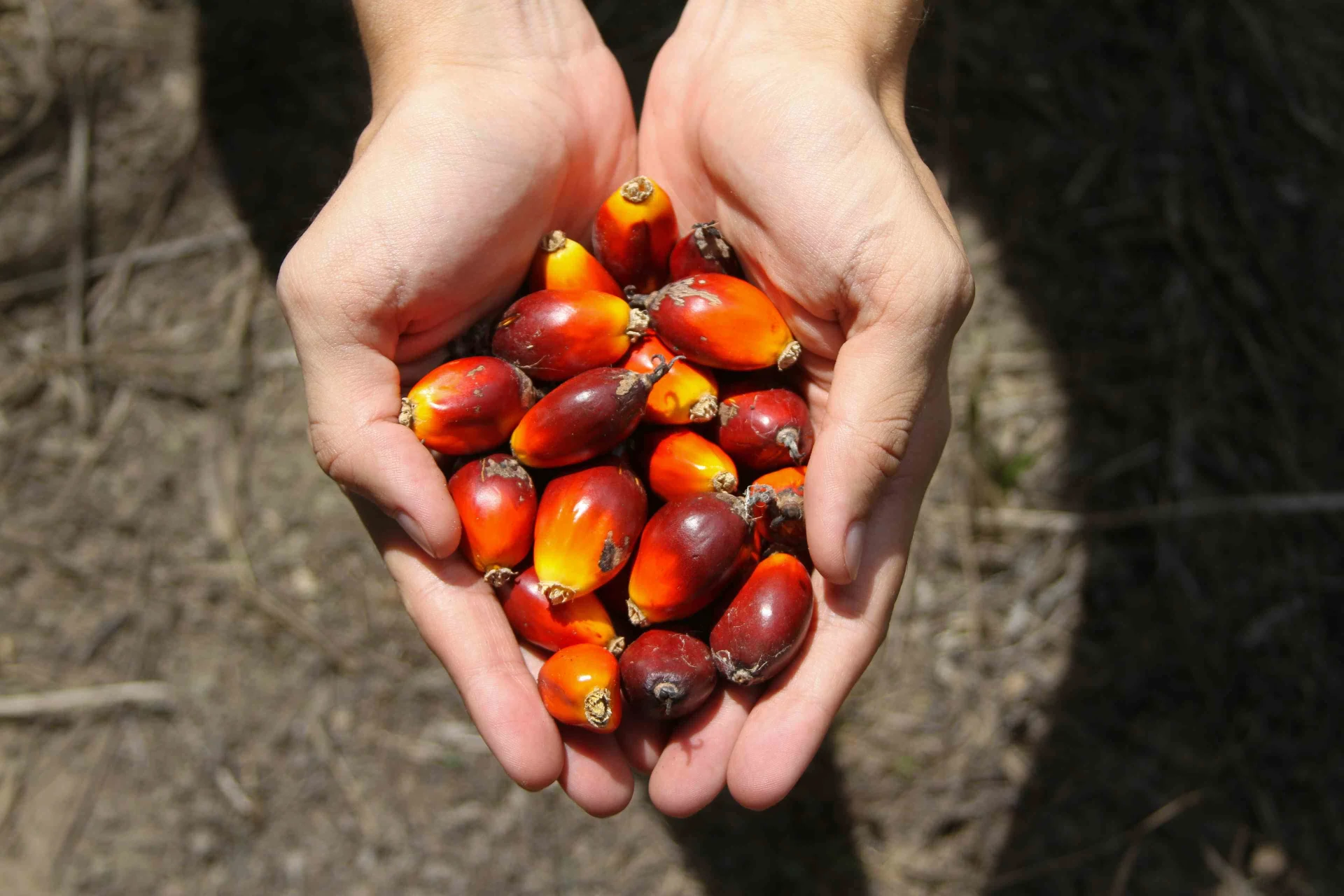
The Swiss Palm Oil Network is the centre of excellence and exchange platform for the actors involved in the value chain. With the Palm Oil Network, important players in the food industry join forces. They want to achieve improvements in palm oil production with a common voice and joint activities.
The Palm Oil Network aims to further develop the RSPO standard and improve the enforcement of the RSPO requirements in the supply chains. Members already procure 100% certified and segregated RSPO palm oil through the importers Florin and Nutriswiss. In addition, further criteria that go beyond the current RSPO standard are to be implemented by suppliers. An implementation plan ensures that suppliers continuously improve and that all additional criteria will be met by 2025.
We and Migros Industry are members of the Swiss Palm Oil Network.
The Retailers’ Palm Oil Group (RPOG) is an international and non-competitive association of companies that share the common goal of using sustainable palm oil in their products.
RPOG serves as an information and exchange platform for effective measures and common levers to implement sound minimum standards in the market and to test new approaches for the global improvement of supply chains.
While less than a quarter of palm oil production worldwide is certified, over 99% of our palm oil already comes from sustainable production.
Formally founded in 2004 as an association, the Round Table on Sustainable Palm Oil (RSPO) is committed to the sustainable production of palm oil.
Together with the WWF, we are one of the founding members of RSPO. Since 2016, M-Industry has switched to physically traceable, sustainable palm oil from RSPO-certified plantations. The RSPO guidelines are constantly being revised and tightened.
Another important focus of RSPO is to promote the sale of RSPO-certified palm oil worldwide.
On an international level, we have been involved in the Round Table on Responsible Soy (RTRS) association since 2010.
This international association of distributors, producers and environmental organisations is committed to the sustainable production of soy worldwide.
Four meetings are held annually with the Retailers’ Soy Group.
The Swiss Platform for Sustainable Cocoa is committed to greater sustainability in the cocoa production and value chain in order to improve the living conditions of cocoa producers and their families, to protect natural resources and to promote biodiversity in cocoa-producing countries (home - Cocoa Platform).
The alliance’s first milestone is to ensure that 80% of cocoa-containing products imported into Switzerland come from sustainable production by 2025.
We are one of the founding members of the platform.
Alongside WWF Switzerland, feed importers, the Swiss Farmers’ Union and IP-Suisse, we were one of the founding members of the Swiss Soy Network in 2010.
In May 2016, the members of the network reorganised themselves into an association with the aim of maintaining the proportion of sustainable and GMO-free soy in livestock feed in Switzerland at over 90%.
The expansion of the network’s activities to include other sustainability-relevant feed components is currently being examined.
We work closely with the Sustainable Fisheries Partnership (SFP) to assess the sustainability of our products with the M-Check «Fish from responsible sources». In addition to the M-Check rating, the partnership provides us with further sustainability tools, such as a risk assessment of all supply chains with regard to human rights and labour law violations.
SFP also organises various supply chain roundtables to develop improvements in certain sectors of fisheries or aquaculture from which Migros benefits directly or indirectly and in which we participate where possible. The Migros Group has been a member of SFP since 2022.