Sustainability strategy
Our priorities

The Migros Group gives top priority to people and the environment. We are committed to the responsible use of natural resources, climate protection and social justice. By adopting our overarching Sustainability Strategy, we are pooling all of the Migros Group's resources. In so doing, we are creating a liveable future for both ourselves and future generations.
Nature

People

Our goals at a glance
Our 2030 Sustainability Strategy is guided by our planet's limitations and the UN Sustainable Development Goals (SDGs). To maximise their impact, all Migros Group companies are adopting a uniform approach and collaborating to achieve the 2030 Sustainability Strategy's goals.
We will cut the greenhouse gas emissions of our operations by 70% compared to 2019 levels by 2030, and by 90% by 2050.
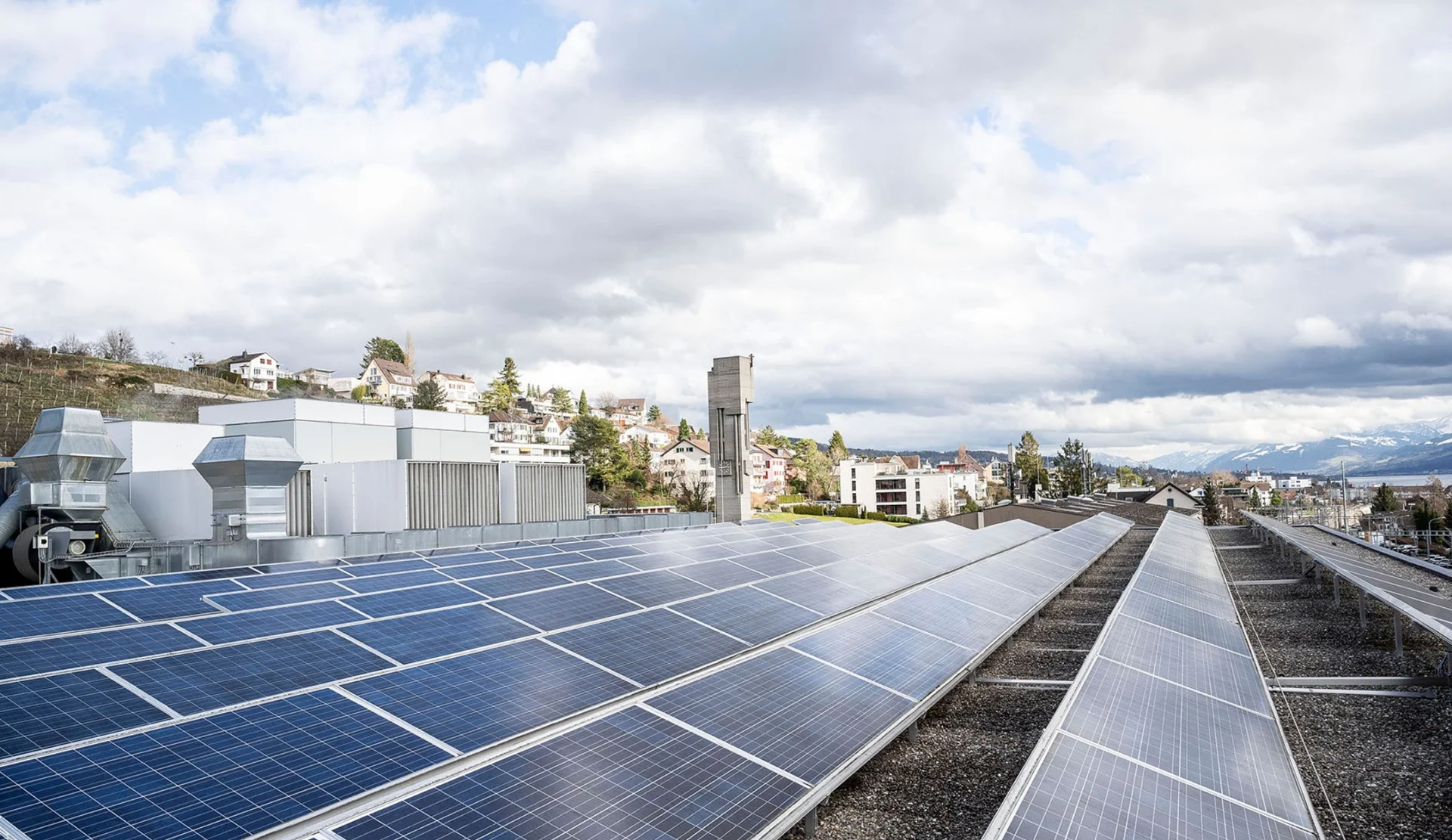
• Since 2021, our businesses have run entirely on renewable electricity. By 2040, all our utilised heat will be renewable and all our refrigerants natural.
• By 2040, our own vehicles used for transporting goods and people will be powered solely by renewable energy drive systems.
• We will reduce energy consumption at our own locations and in our logistics operations by 7% by 2030 compared to 2019 levels.
• We have also pledged to neutralise any remaining greenhouse gas emissions in the long term from 2050 onwards.Between now and 2050, we will slash the greenhouse gas emissions along our value chains by 90% compared to 2019 levels.
• By 2026, we will ensure that 67% of non-agricultural (non-FLAG) emissions from procured products and services are covered by our suppliers’ science-based reduction targets.
• What's more, we will cut the FLAG emissions caused by procured products and services by a third of their 2019 levels by 2030, and by 72% by 2050.
• By the end of 2025, we will define measures and a target for promoting plant-based nutrition.
• We will lower greenhouse gas emissions from our upstream goods transport by 27.5% compared to 2019 levels by 2030.
• We will cut the greenhouse gas emissions caused by the use of the products we sell by 46.2% by 2030 (specific sub-target for Migrol).
• We have also pledged to neutralise any remaining greenhouse gas emissions in the long term from 2050 onwards.Migros Bank will reduce the greenhouse gas emissions in its investment business by 35% and in its mortgage business by 40% by 2030 compared to 2023 levels.
We are committed to having deforestation-free supply chains in our primary risk commodities cocoa, coffee, palm, soya, beef and wood by 2025, with a cut-off date of 31 December 2020 at the very latest.
We have set ourselves science-based biodiversity targets for 2026 for land and water as specified by the Science Based Targets Network (SBTN). Objectives in other categories relevant to the Migros Group (e.g. oceans) are being added in stages. In the meantime, we will continue to report on our progress.
By 2026, Migros Bank will assess its biodiversity risks in accordance with the guidelines of the Task force for Nature-Related Financial Disclosures and the FINMA circular entitled "Nature-related financial risks". It will then integrate material risks into its risk management.
By 2030, we will reduce the food waste in our businesses and at our stores by 50% compared to 2017, and support measures in upstream and downstream value chains.
a) By 2030, we will reduce our greenhouse gas emissions by 10% compared to 2019 levels by optimising packaging.
• By 2030, all of our plastic packaging will be recyclable.
b) By 2030, we will reduce our greenhouse gas emissions by 10% compared to 2019 levels by reducing operational waste.We will save 100,000 tonnes of CO2e* between 2025 and 2030 by promoting the circularity of our products, services and buildings.
*CO2 equivalents (CO2e) is a unit of measurement used to standardise the climate impact of the various greenhouse gases (e.g. methane, nitrous oxide). 1 tonne is roughly equivalent to the emissions of a flight from Zurich to New York (one-way).Our products and services comply with our group-wide procurement guidelines on sustainability in every way. These procurement guidelines will be revised in 2025. Until then, the existing group requirements will apply.
By 2030, we will provide our customers with transparent information on how all of our own-brand products and services affect the climate, animal welfare and fish stocks. Further dimensions are being analysed on an ongoing basis.
Across our value chains, we comply fully with our human rights due diligence obligations in accordance with recognised international regulations and report on our activities transparently.
By 2025, we will define a target to ensure living incomes and wages in defined high-risk supply chains in accordance with international standards.
We will achieve an engagement score of 88% in our employee survey by 2025.
We will maintain an apprentice ratio of at least 3.7% until 2025.
We will increase the share of women in management positions to 45% by 2025.
We will create 130 pre-vocational training places by 2025, thereby promoting social inclusion.
Sustainability Report

The 2025 Sustainability Report will be published in the first half of 2026.
Materiality analysis
Based on a comprehensive materiality analysis, we have identified which sustainability issues are of particular relevance to us.
Selection of key topics
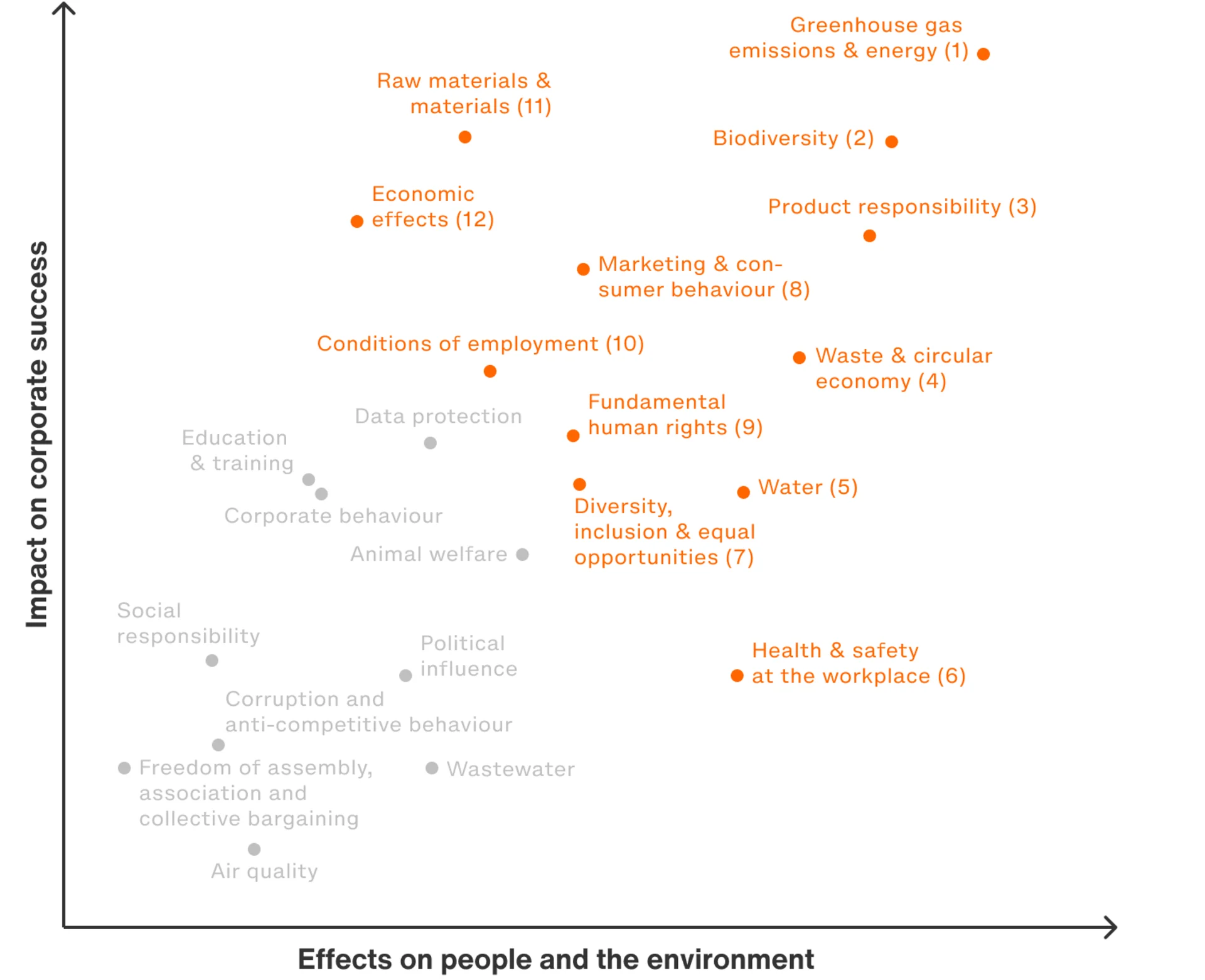
The results of the impact analysis and the risk and opportunity analysis were combined in a matrix for each business segment and for the Migros Group as a whole, with the x-axis representing the results of the impact analysis and the y-axis the results of the risk and opportunity analysis.
Key topics were identified:Greenhouse gas emissions & energy (1)
Biodiversity (2)
Product responsibility (3)
Waste & circular economy (4)
Water (5)
Health & safety in the workplace (6)
Diversity, inclusion & equal opportunities (7)
Marketing & communication (8)
Fundamental human rights (9)
Conditions of employment (10)
Raw materials & materials (11)
Economic impact (12)
In order to select those topics that have a high impact as well as high risks and opportunities, our external sustainability experts defined a certain threshold value for each matrix (per business segment and for the Migros Group) and inserted a corresponding delimitation rectangle in the matrix. The impacts tended to be weighted more heavily in accordance with the GRI guidelines. The internal project team checked the plausibility of the proposals.
All topics to the right of the delimitation rectangle (see diagram) are material for the Migros Group. This means that these topics were selected for sustainability reporting in accordance with the GRI (topic standards).
The final result was approved in the relevant internal committees and by the member of the Executive Board of the Federation of Migros Cooperatives responsible for sustainability.Materiality matrix for download

What we're working on
Find out more about our commitment to sustainability at our stories.
All Stories

Sustainability
How Beni makes broccoli better
Most of the vegetables found in the frozen food aisle are grown in the St. Gallen Rhine Valley. A visit.

Food waste
Why is Migros freezing meat now?
Any meat products that remain unsold shortly before their use-by date are frozen and then sold at half price.
Sustainability
Responsible packaging
Migros is doing all it can to make packaging more sustainable and eco-friendly.
Sustainability
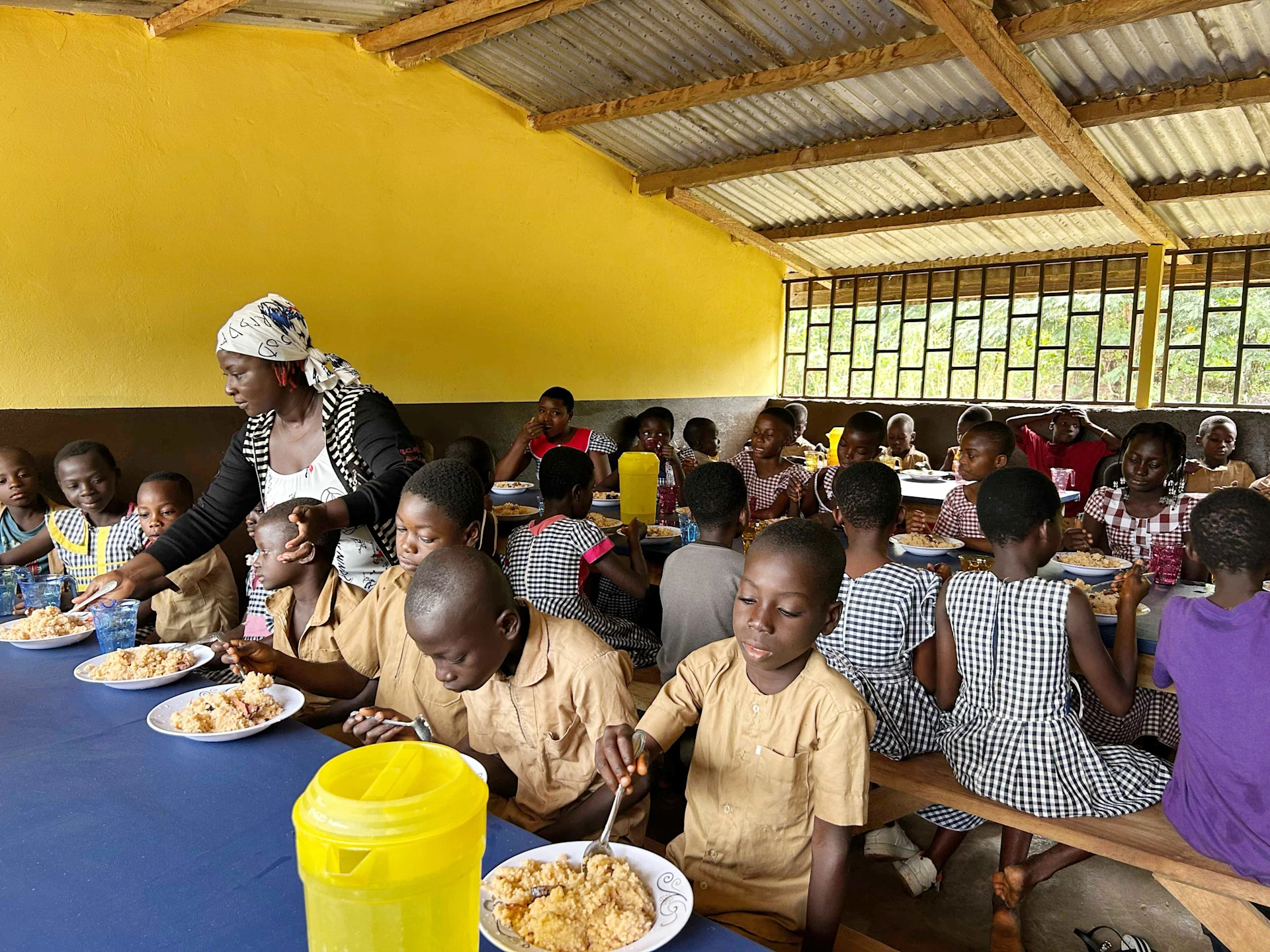
Do something good for CHF 0.50
If you buy a bar of "Côte d'Ivoire" chocolate, you will be contributing to a success story in West Africa.
Sustainability
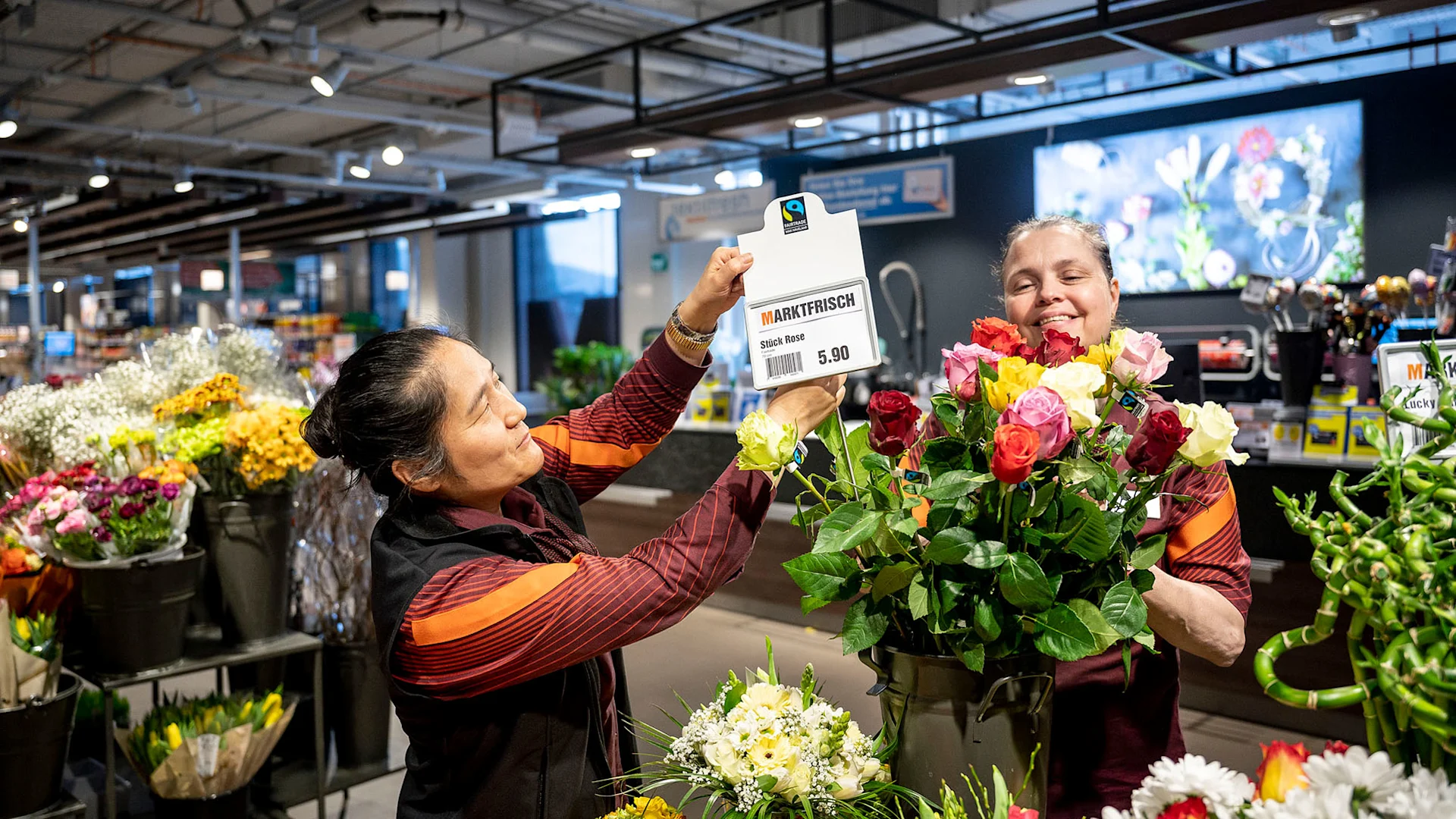
Stop and smell the sustainable roses
Migros is committed to fairly grown roses and thus supports social and ecological projects.
Food waste
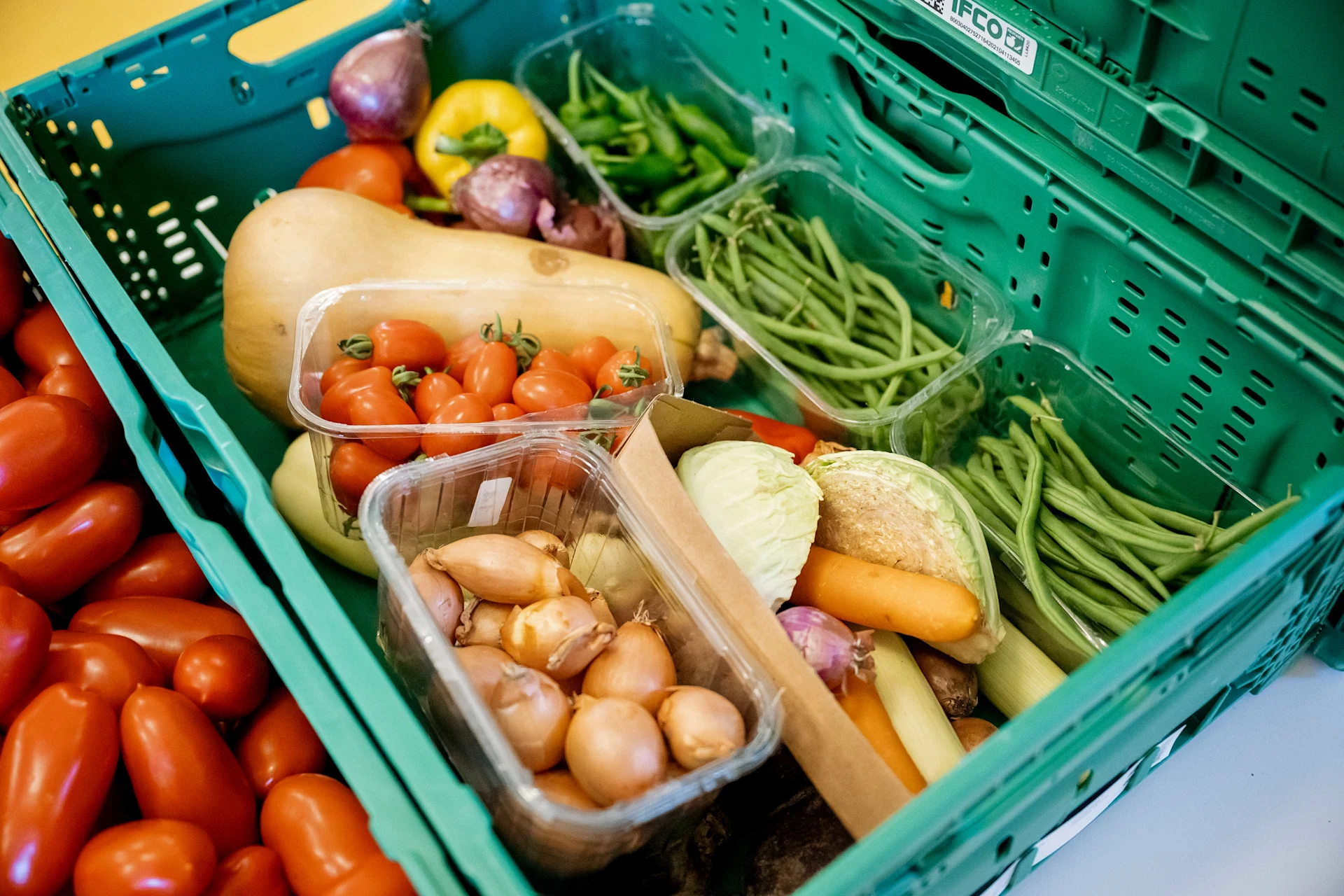
Saving food and helping people
A visit to "Tischlein deck dich": members of the FMC Executive Board support the team on site.
Sustainability
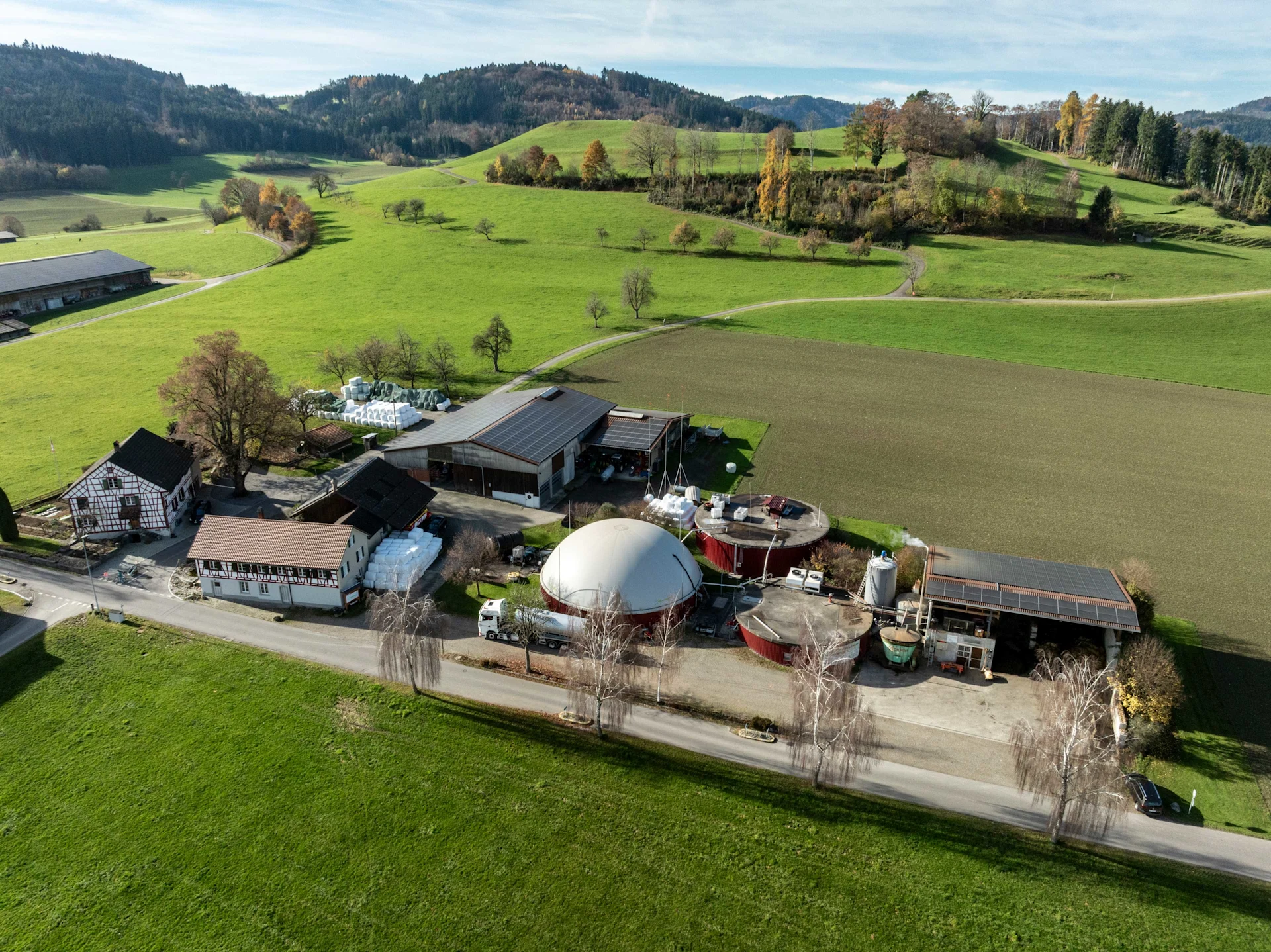
How is biogas produced?
Generated through the fermentation of liquid manure and other residual waste, can then be used for electricity.
Sustainability
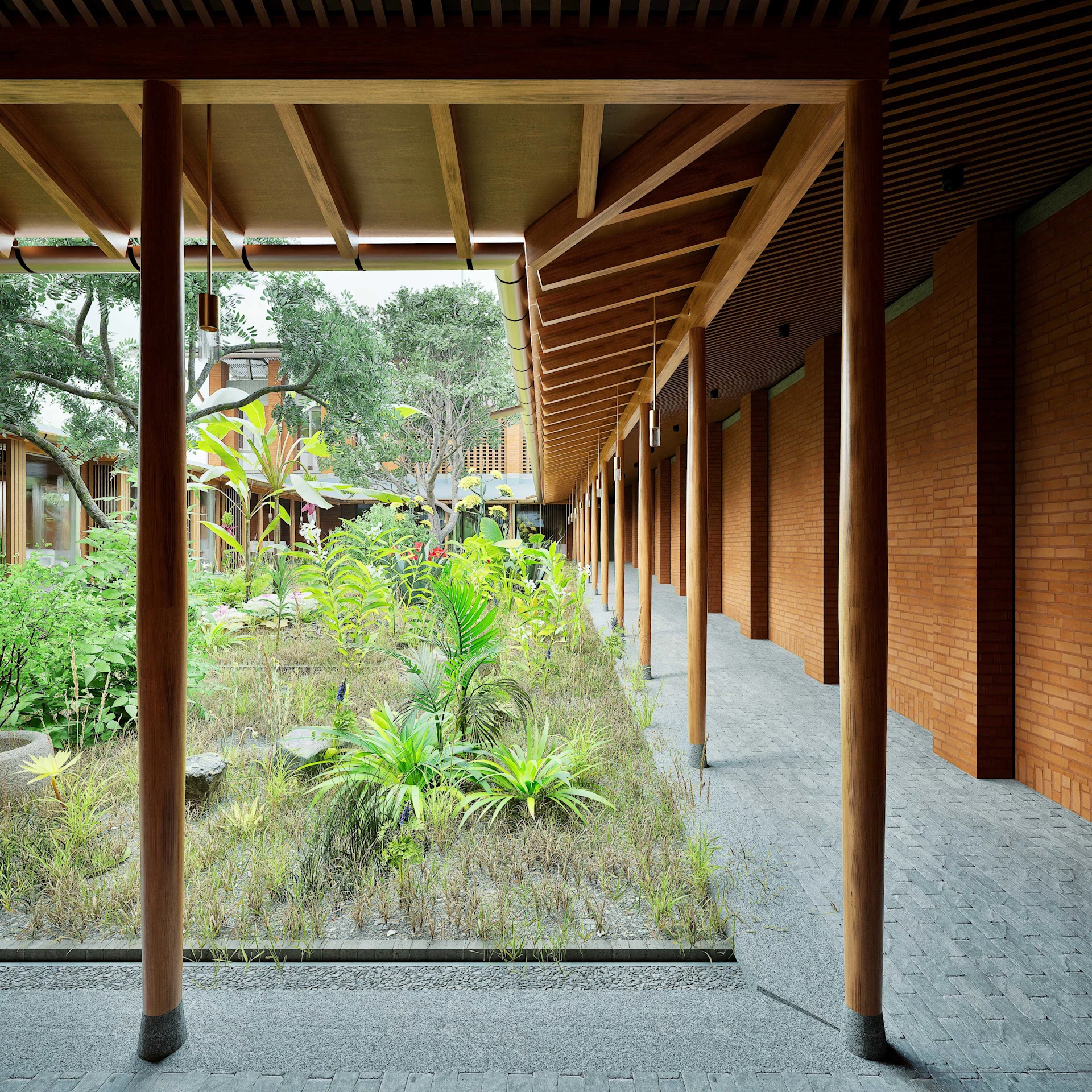
Building a green future
With support from the Migros Pioneer Fund, two companies are showing that eco-friendly construction is feasible.
Sustainability
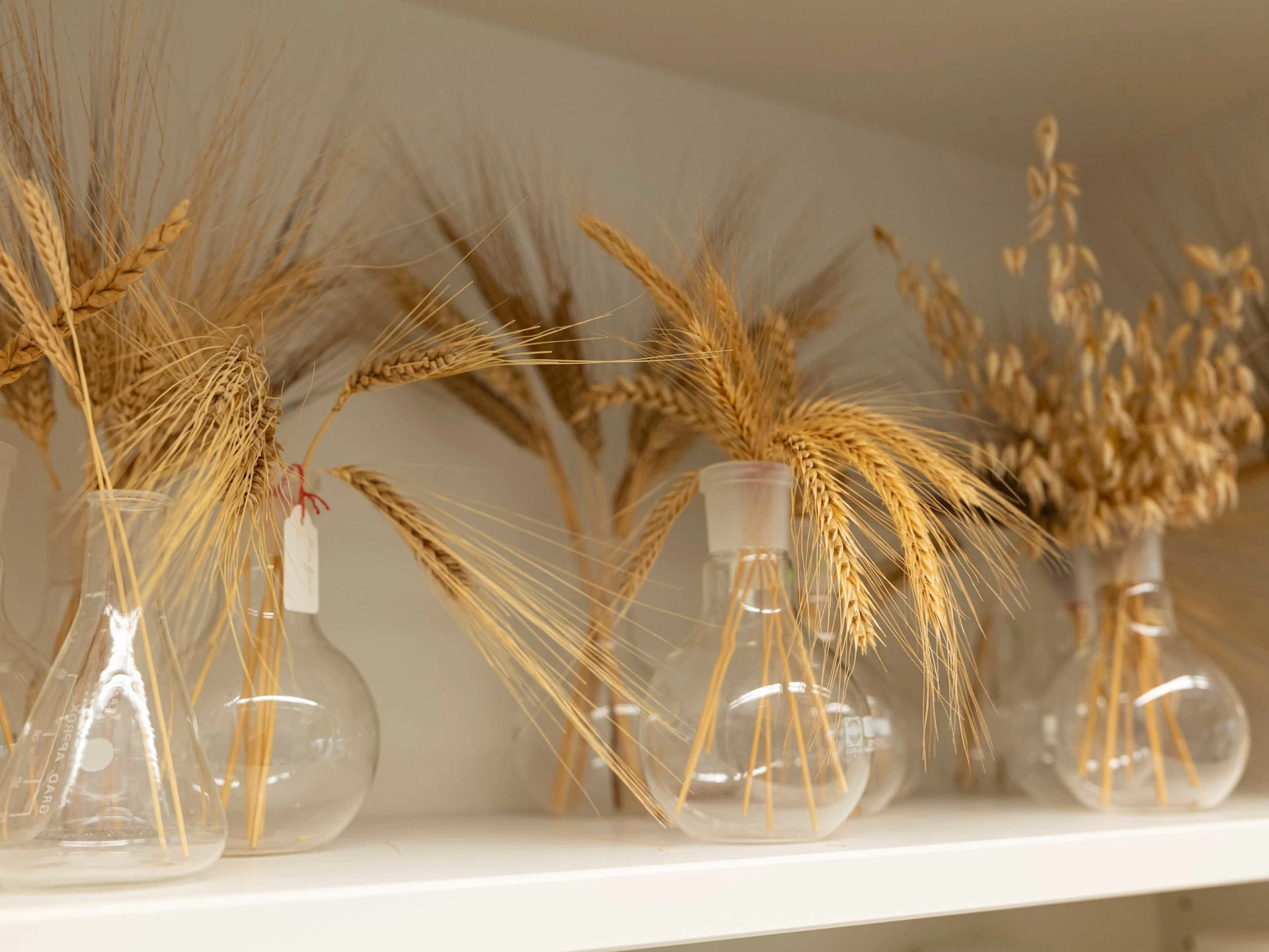
Migros is working on the flour of the future
New wheat varieties are analysed for their baking quality and ideal blends are developed every year.
Climate
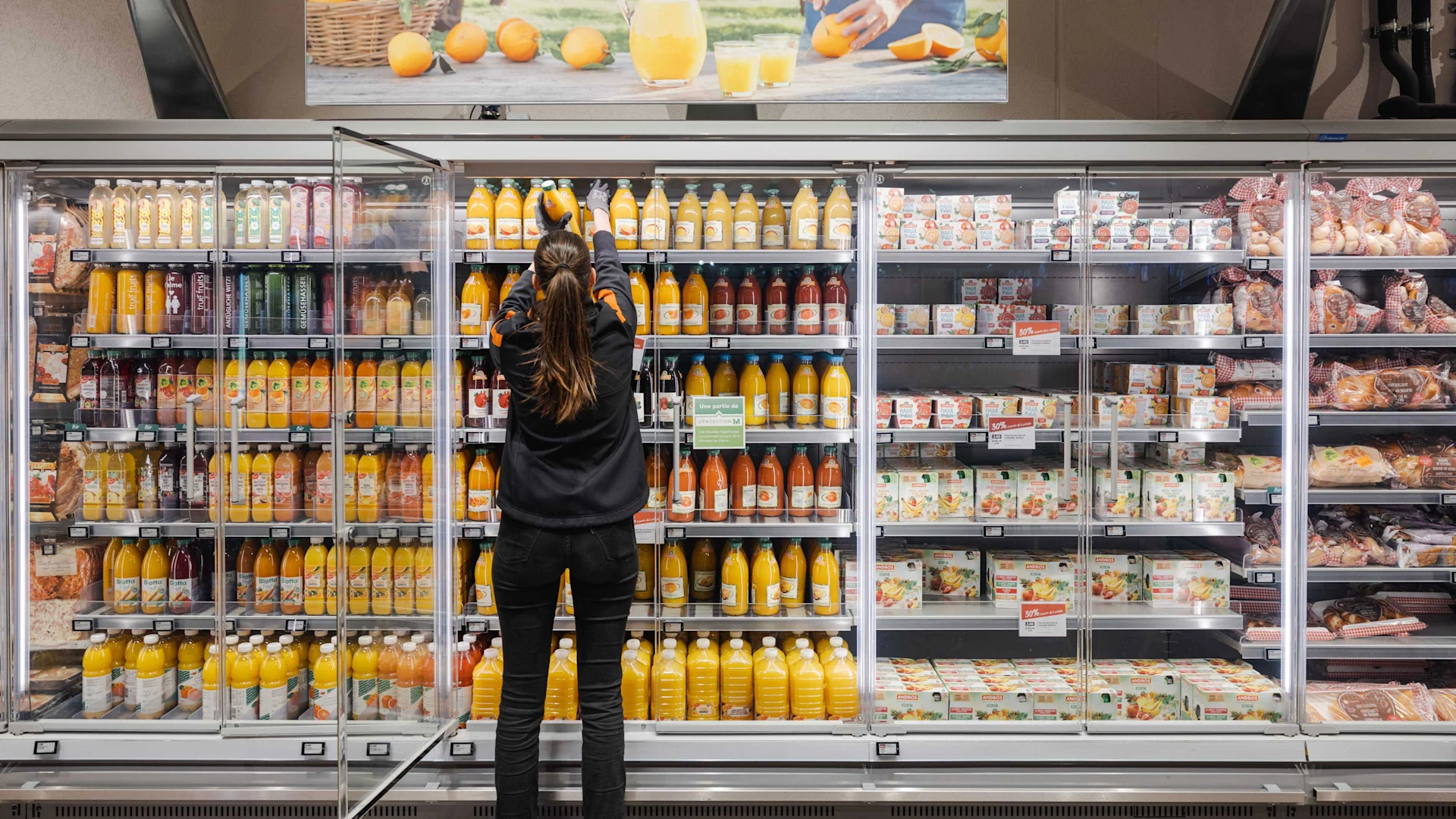
How to make air conditioning environmentally friendly
We explain what Migros is doing to make refrigeration technology environmentally friendly.
Sustainability
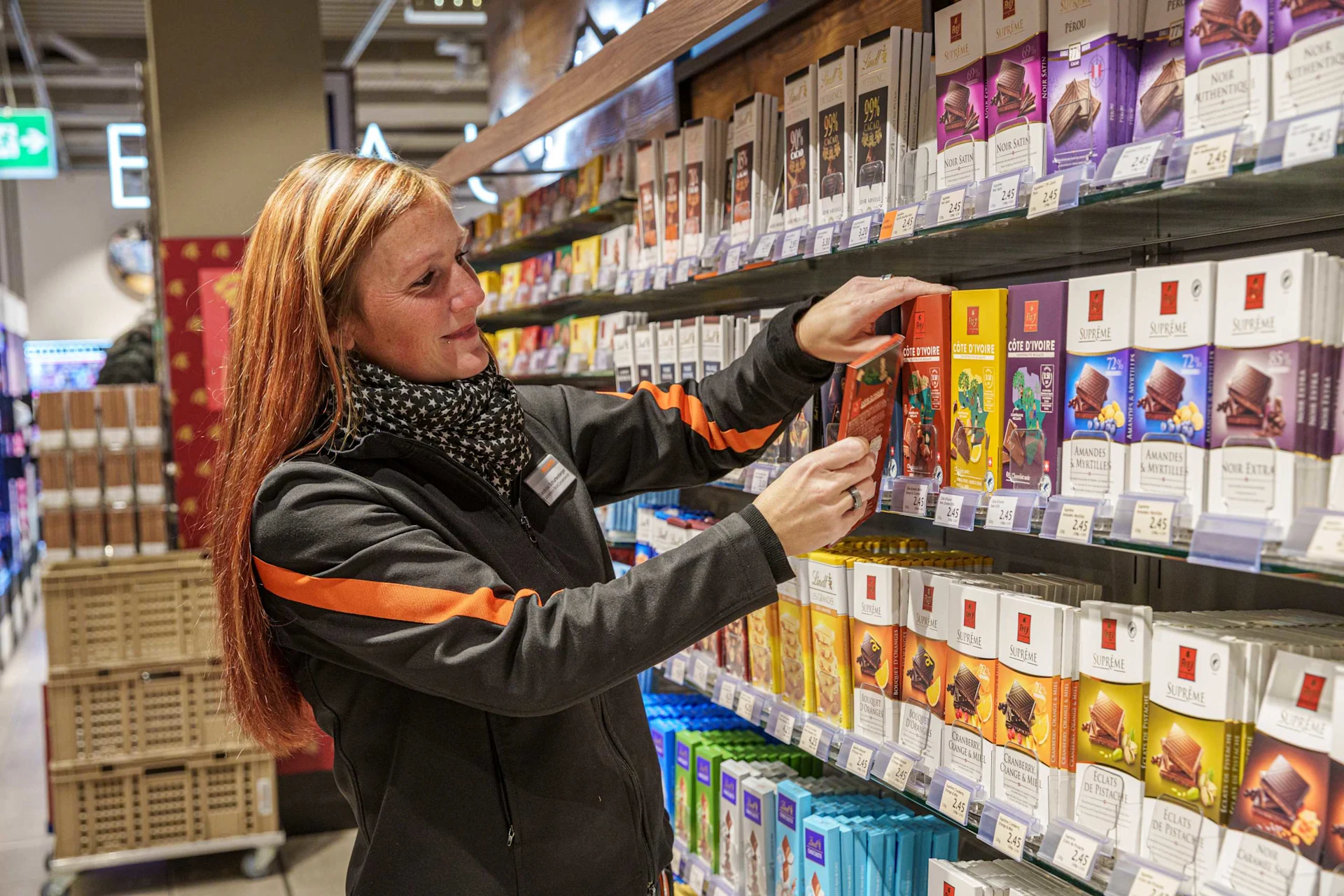
More clarity in the label jungle
Migros has many chocolates with different labels. But what do “Fairtrade”, “Bio” and “Rainforest Alliance” mean?
Sustainability
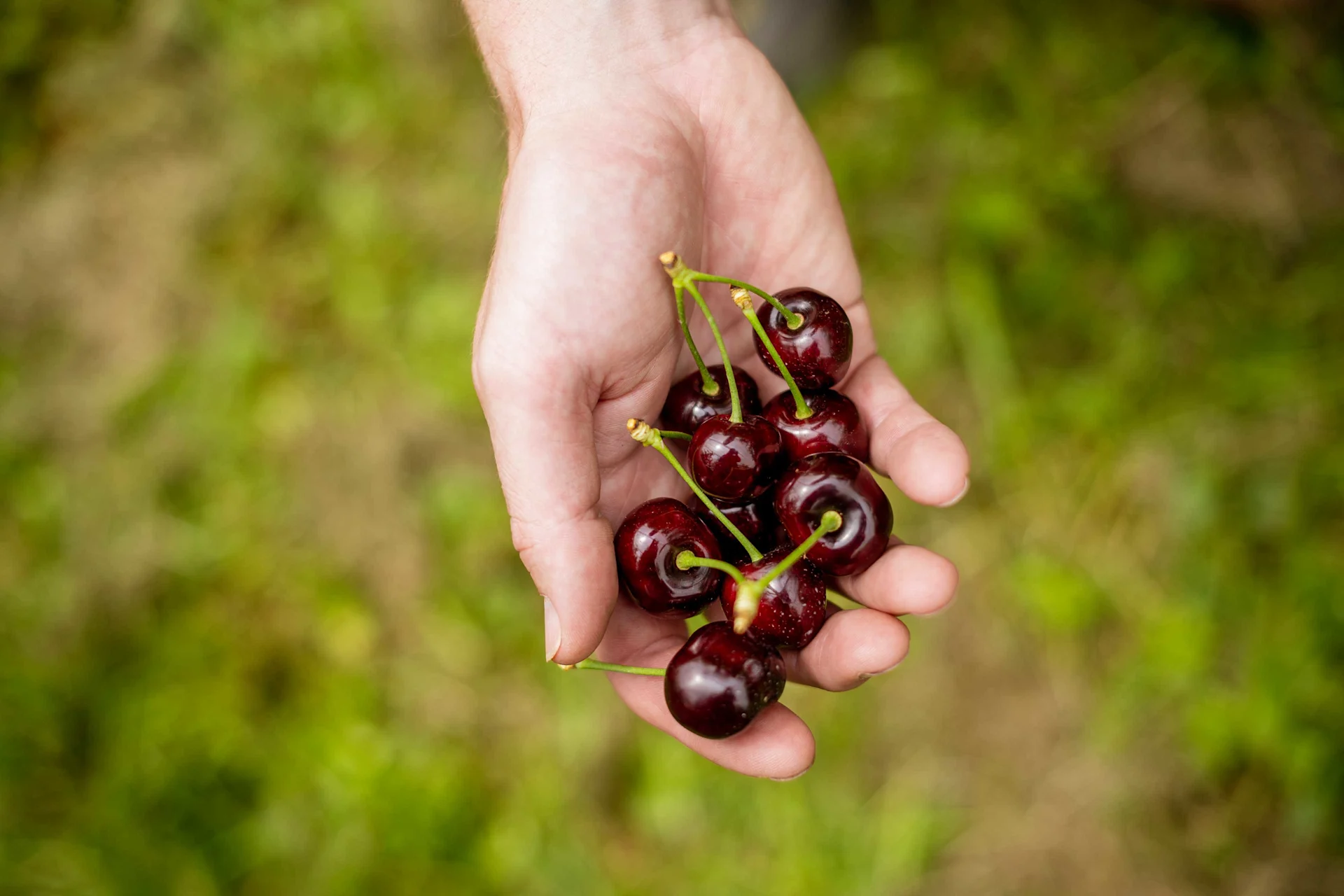
Why our cherries are now even better
It's cherry season! Now they're even more sustainable. We visited a cherry orchard in the Bernese Seeland.