Migros Culture Percentage
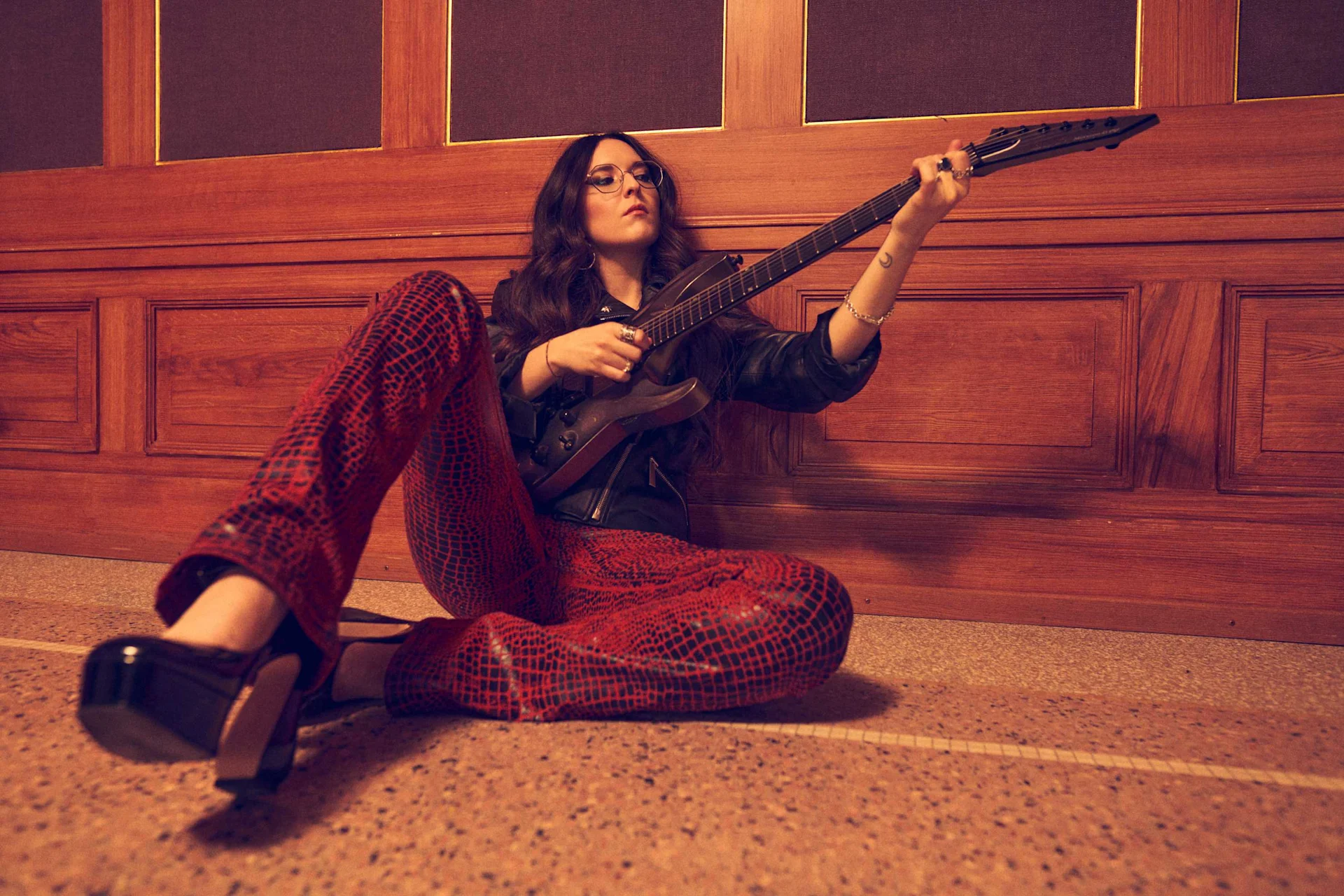
Veronica Fusaro at the Eurovision Song Contest
Fusaro will represent Switzerland with her song 'Alice', which addresses the issue of violence against women.
navigation


Culture Percentage
Rachelle Anaïs Scott and Marioenrico d'Angelo are professional dancers who will present their first own choreographic routine at the Migros Culture Percentage Steps dance festival. What does the change of role mean for them?
Did people dance a lot in your home?
Marioenrico d'Angelo: There wasn't dance, but my parents were sports teachers, so physical exercise was part of our everyday life.
Rachelle Anaïs Scott: My parents were really creative. My father is a jazz musician and my mum loves dance, art, fashion and culture. That meant I was surrounded by artistic inspiration.
What is the very first dance you remember?
R.: That was 'Revelations' at the Alvin Ailey American Dance Theatre in New York City, when I was still a child. The energy on stage and in the audience was incredible! To this day, I'm still searching for precisely this type of shared joy and energy that creates a common experience.
You are dancers, but have switched to choreography with support from the NEXT STEPS funding programme. Do you have to have danced yourself to become a choreographer?
M.: Not necessarily. But since I have 17 years of dance experience, I understand the challenges that dancers face.
How is new dance created?
R.: I have certain images in my head, but I create the specific steps and movements directly on the dancers' bodies and in collaboration with them. I then refine the choreography over time, like a sculptor. Depending on the project, this process can take between a few days and several weeks.
What does your work involve in specific terms?
M.: Sometimes I spend the entire day writing a dossier or researching concepts, music and costumes. When we train, I'm in the studio from 11 a.m. in the morning until 6 p.m. at night. I then continue working at home and check if the piece is on the right track.
What makes a good choreographer?
M.: A good choreographer stays true to their vision, while respecting the other artists involved.
Are you a morning or a night person?
M.: Primarily a night owl.
R.: Both. Creativity doesn't have a fixed schedule.

What do you want to convey in the piece that you will each be presenting under the heading 'Twi/light' at Steps?
R.: With my piece 'Vanishing Point,' I want to create a space in which the audience can feel a human connection. It's an invitation to reflect, without providing answers.
M.: My piece, 'Night Shining Clouds,' is about the feeling of belonging. Can we feel that we are part of something bigger, or are we just trying to fit in?
Do you miss being in the limelight?
M.: Yes. I sometimes miss the direct connection with the audience and the other artists on stage.
How long can dancers continue to work?
R.: I think for as long as their heart tells them that they want to dance. I'm still dancing. Movement is expression, and it can keep going as long as you like.
Are there people who inspire you?
R.: Yes, lots of them! Relatives, close friends, Michelle and Barack Obama, Frida Kahlo ...
What aspect of Switzerland do you like?
R.: The landscape constantly blows me away. I love going hiking with my partner.
M.: Jumping into the Aare in summer.
What will you never get used to?
R.: That no shops are open 24 hours a day.
Discover exciting stories about all aspects of Migros, our commitment and the people behind it. We also provide practical advice for everyday life.
Migros Culture Percentage
Fusaro will represent Switzerland with her song 'Alice', which addresses the issue of violence against women.
Migros Culture Percentage
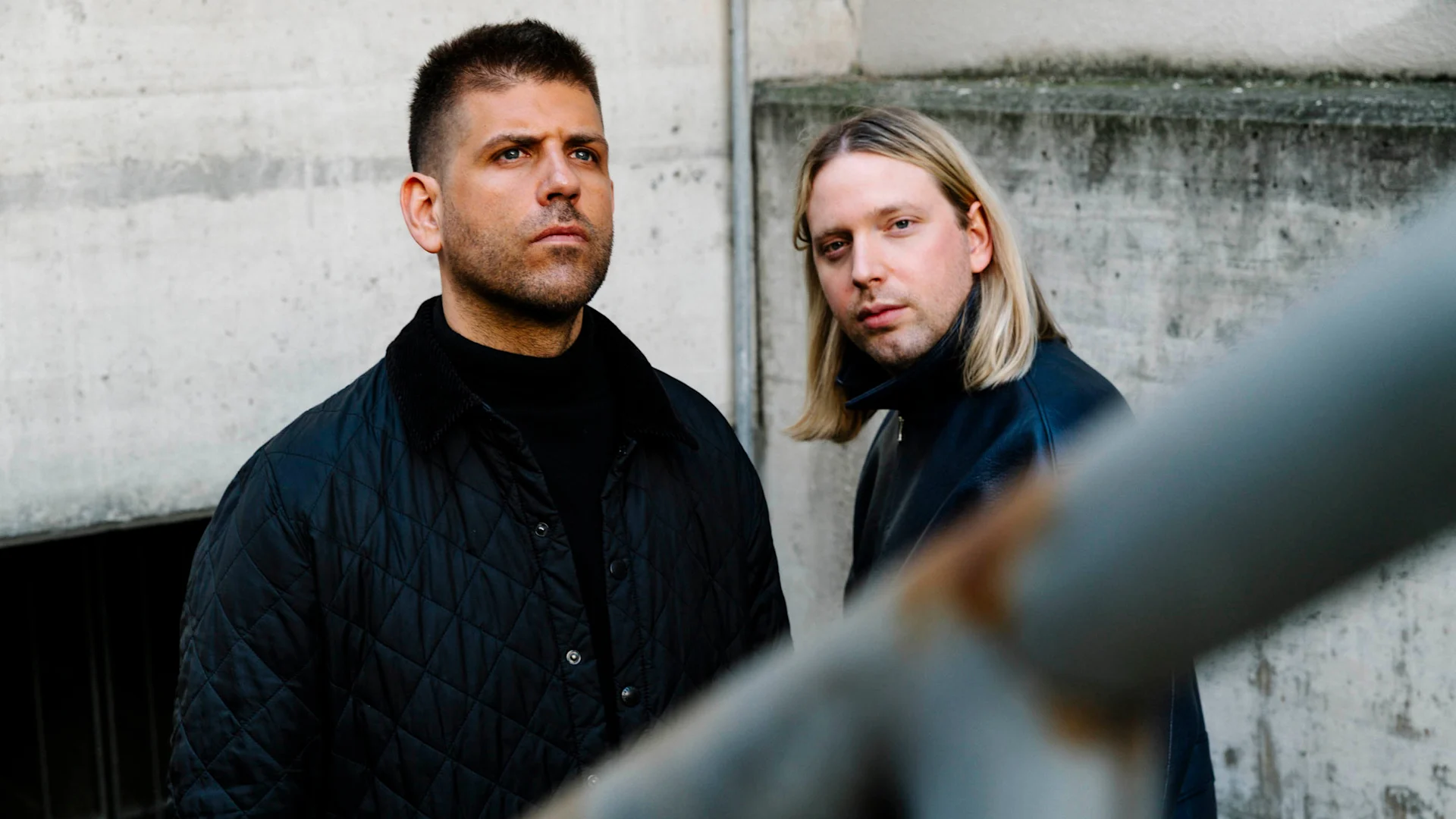
Everyone's talking about the new band Splendid. Now they will be performing at the m4music pop music festival.
Migros Culture Percentage
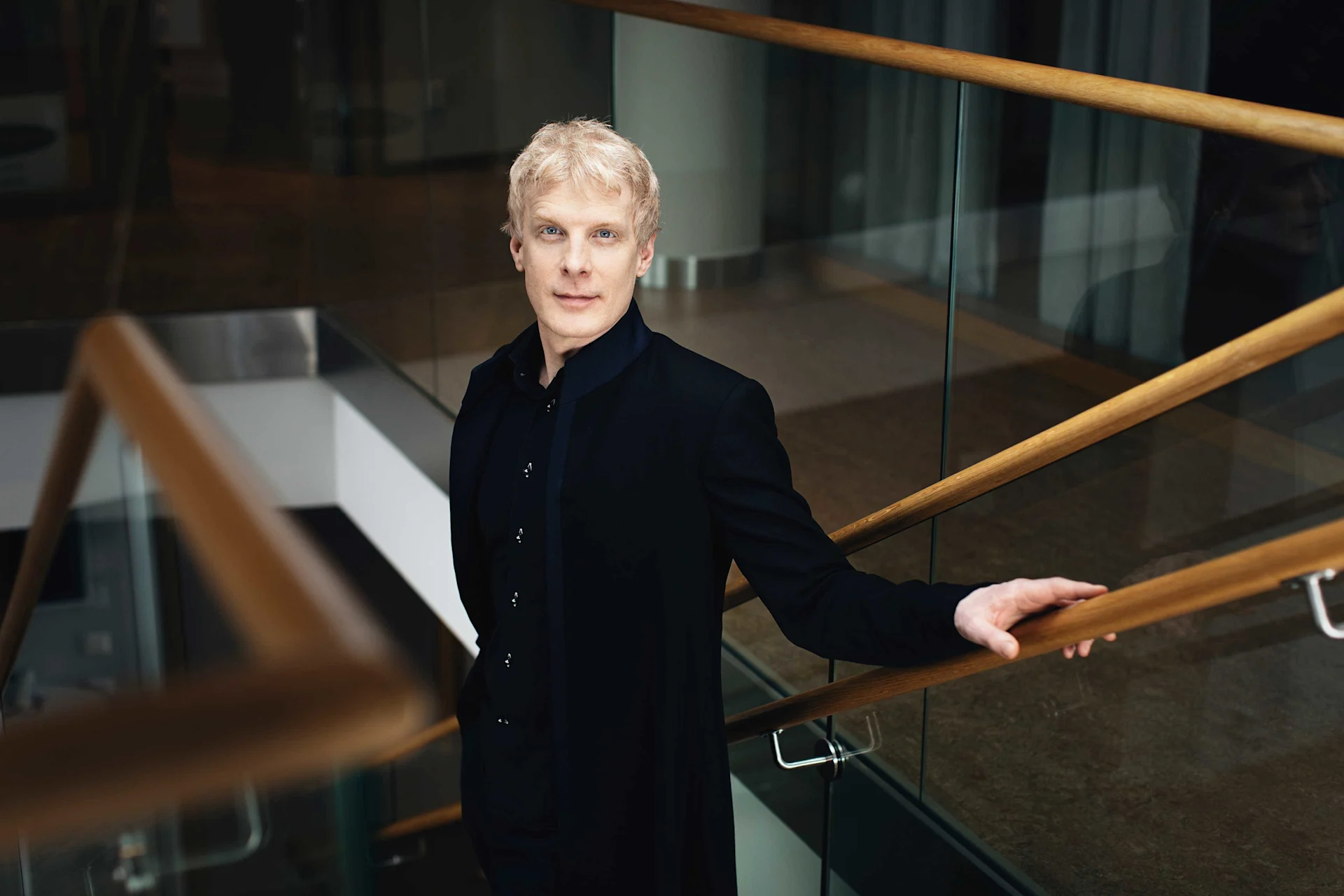
Martin Fröst from Sweden is one of the star musicians at the Migros Culture Percentage Classics 2025/2026.

Work environment
Unconscious bias can turn into prejudice. Migros is therefore committed to promoting equal opportunities.

Migros Group
About 50 couples a year celebrate their wedding at special locations owned by Migros, such as the Gurten.

Migros anniversary
Comedians Nathalie Devantay, Charles Nguela and Flavio Sala reveal what makes their audiences laugh.

Culture Percentage
Migros Culture Percentage has drawn up guidelines for associations on how to achieve this goal in future.

Culture Percentage
The dialect rapper Soukey is coached by Luc thanks to an initiative of Migros Culture Percentage.

Work environment
We asked people from the Migros world about their views on equality and work-life balance.

Migros Commitment
As Head of Social Affairs and Culture, Mira Song manages a budget of millions of Swiss francs. We interviewed her.

Culture Percentage
The new Classics 180° concert format breaks the rules. Director Mischa Damev explains what we can expect.