
Supermarket
How Migros chocolate bunnies are made
From the initial idea to production: how Easter bunnies are created for Migros and who belongs to the bunny-making team.
navigation


Work environment
Aurélie Hinder and Souad Atoui-Kendouci are vocational trainers at Denner and Digitec Galaxus respectively. In this interview, they dispel common prejudices about today's young people and explain how they prevent apprentices from dropping out of training.
It's said that today's teenagers are far less resilient. Is this simply a prejudice held by older generations, or is there some truth to it?
Souad Atoui-Kendouci: I think it's a misunderstanding. Young people today talk very openly about private problems. I sometimes hear about heartbreak or arguments with their best friend. However, I don't get the feeling that teenagers cope less well with life. They're simply not afraid to show their vulnerability. Incidentally, this doesn't apply only to women, but to men as well.
Aurélie Hinder: I agree. As a vocational trainer, it's obviously challenging that private issues are so present. But I think it's good nonetheless: in the past, apprentices would simply bottle up their problems. And if they didn't, their trainer would probably have said,"Pull yourself together! Don't be such a wimp!"
Do today's young people also have higher expectations of their apprenticeships?
Aurélie: They know their own worth and are more self-confident than previous generations. That's not a bad thing either. And to be honest, we have to admit that we're competing with other companies for talented young people. Apprentices are the specialists of the future. We can't do without them.
How many of your apprentices have dropped out?
Aurélie: None so far. But I've only been a vocational trainer for two years and so far I have two apprentices who are still in the middle of their training.
Souad: I've never had an apprentice in my team drop out either. Over the past six years, I've accompanied 18 apprentices in all. Eight completed their training successfully, the others are still training.
How do you manage to keep young people with problems on track until they can complete their apprenticeships?
Souad: You have to take a genuine interest in them and recognise warning signs early on. It doesn't worry me if someone complains about something. It's much worse when an apprentice goes quiet, hardly says hello in the morning and no longer has any contact within the team. I approach those young people and try to find out what's going on and how I can support them.
Aurélie: In cases like that, I too immediately try to talk to them, take the apprentice to one side and ask how we can help as a team. But one thing is also clear: I'm not a psychotherapist. If someone is really struggling, I have to refer him or her to a professional therapist.
You train young people to become retail specialists and EFZ logistics specialists. Why should people learn these professions?
Aurélie: I can best answer that by describing my workplace: it's a small Denner Express in Zurich Wiedikon. We're a well-organised team. We stick together and never get bored. There's always a big rush at lunchtime. Our work isn't anonymous: we have many regulars. You can always strike up a conversation with elderly people very quickly. It takes a little longer with younger customers, but over time you get to know one another.
Souad: I work with my apprentices at the Digitec Galaxus central warehouse in Wohlen (AG). We make sure that the many orders are picked from the warehouse shelves, packed and dispatched on time. We manage a huge flood of parcels. After all, Digitec Galaxus is Switzerland's largest online retailer. However, the logistics are so well organised that there's never any rush – not even in the run up to Christmas. There's always time for socialising and even longer conversations.
What must your apprentices be able to do from day one?
Aurélie: Before professional training even begins, you first need a few old-fashioned basic virtues. One of them is punctuality: we start at 6am, there's no getting round that. That's because the shop opens an hour later and everything has to be ready. Friendliness is also important: if you're in a bad mood, you can't let it show. As a trainer, I have to insist on some things: an apprenticeship isn't a boot camp where people shout at each other. But it isn't an all-round feel-good zone either.
Souad: In logistics, safety is extremely important from the very first minute. You wear steel toe-capped shoes and a high-vis vest, sometimes safety gloves too. You also have to take care of your back and lift heavy loads properly.
How do you actually start the working day with your apprentices?
Souad: Everyone - employees and apprentices alike - meets at the coffee machine by a white board. We start with some stretching. Sometimes everyone brings a joke along. This helps us to loosen up before starting work. In the morning, apprentices often tell the team about their assignments in the various departments. I find these short presentations very important; just as important as the written training documentation they have to submit to me.
Aurélie: We start the day at full throttle. We get the shop ready for the first customers, who arrive at 7am. Lorries pull up to the loading bay, bringing fresh vegetables, milk, yoghurt and other dairy products. We stock the shelves and fire up the baking station. To get us in the mood, we always play our current playlist; one the whole team likes – including, of course, the apprentices' favourite songs. Right now, that means Bad Bunny, Albanian pop and Afrobeat.
We talked about what apprentices have to be able to do. What skills are essential for a vocational trainer nowadays?
Aurélie: Of course, you have to know the procedures at the store inside out. But above all, you can't just demand motivation. You have to model it yourself. I really like my job and my team. If not, all my knowledge about digital ordering processes, price reductions and food trends wouldn't be much use.
Souad: In addition to specialist know-how, you mainly also need life experience. For example, I was a single mum. To manage that, you have to be really good at organising, extremely resilient and never get discouraged. All of that helps me today in supervising apprentices.
Discover exciting stories about all aspects of Migros, our commitment and the people behind it. We also provide practical advice for everyday life.
Supermarket
From the initial idea to production: how Easter bunnies are created for Migros and who belongs to the bunny-making team.

Work environment
Two Migros employees talk about the balancing act of being parents, looking after their children and having a career.
Work environment
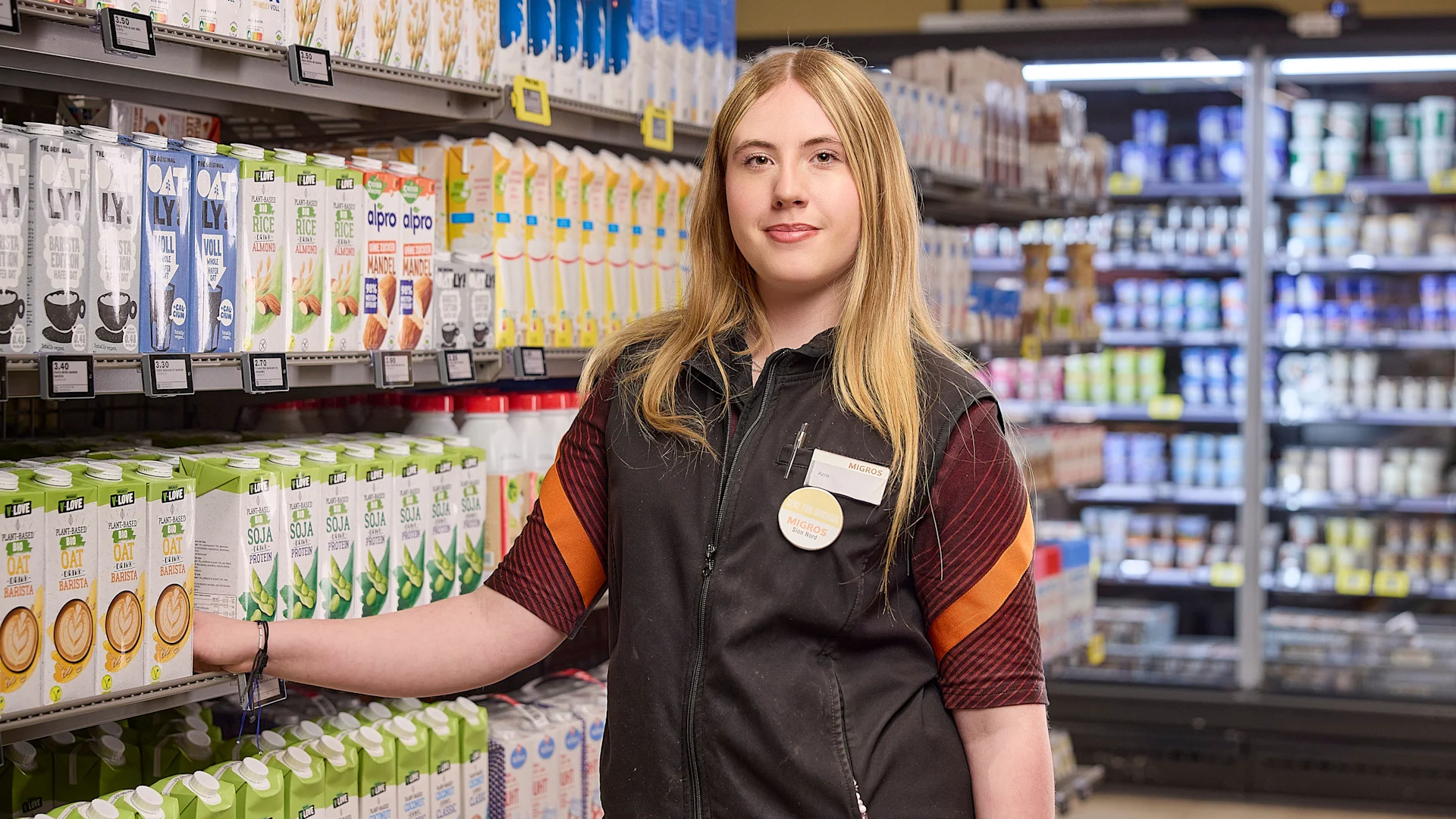
Apprentices ran a Migros store in Sion by themselves. We find out what they learned from the experience.

Work environment
We visited the huge Digitec Galaxus logistics centre, which is a hive of activity over the Christmas period.
Supermarket
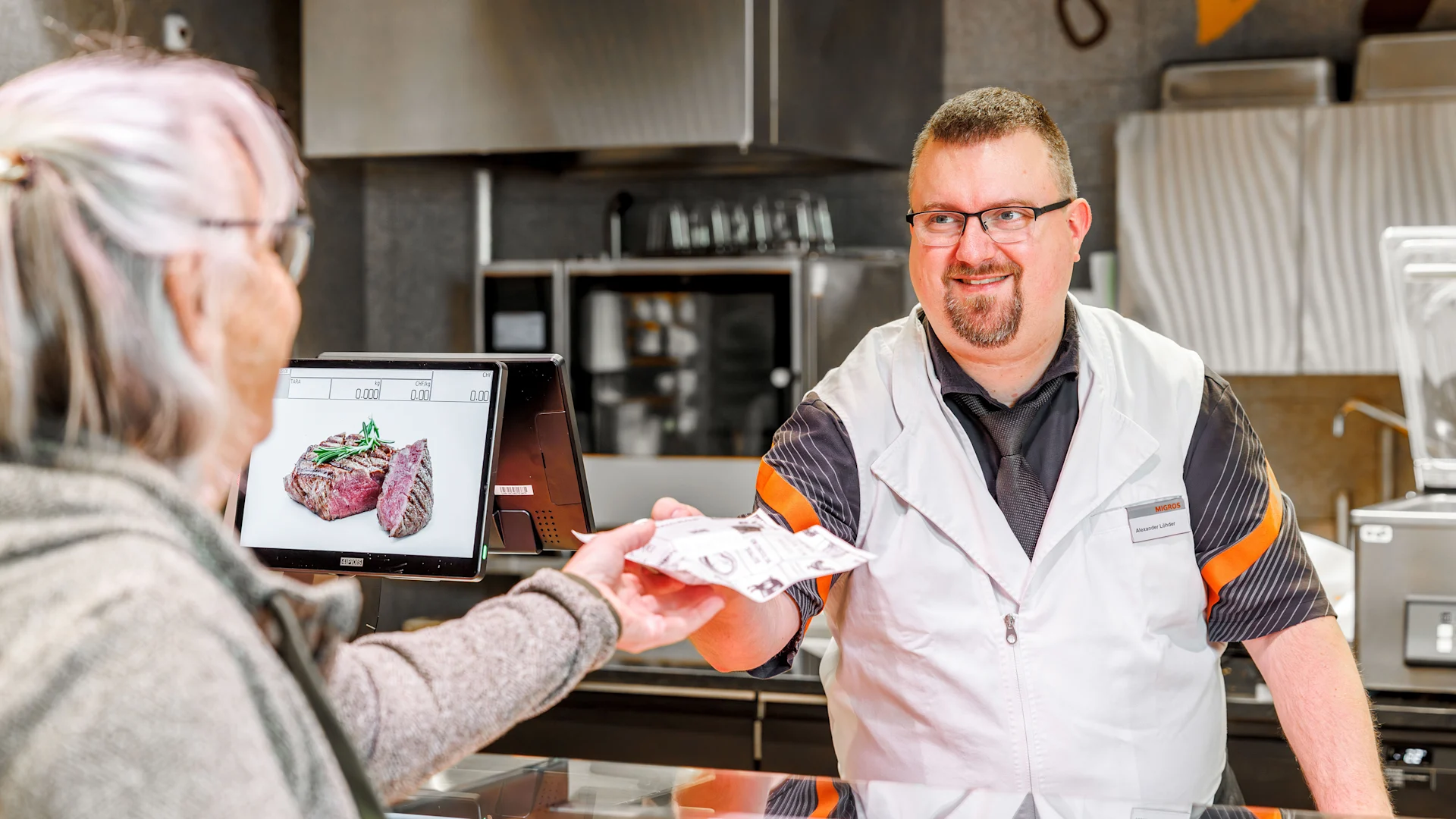
What customers want in the run-up to the festive season and the mistakes many people make when preparing meat.
Work environment
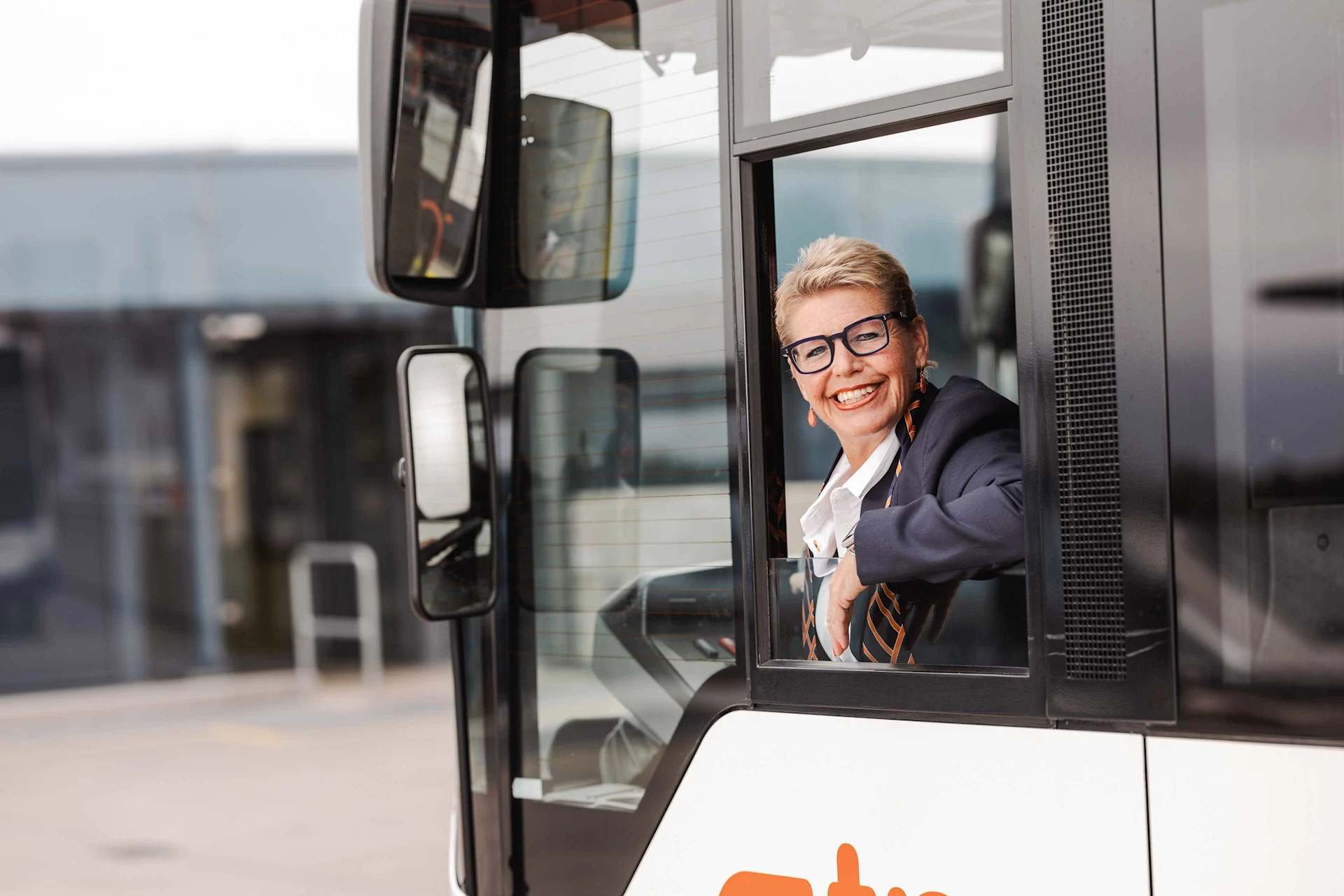
Further training and reorientation can help older employees remain attractive on the labour market. We provide tips.
Work environment
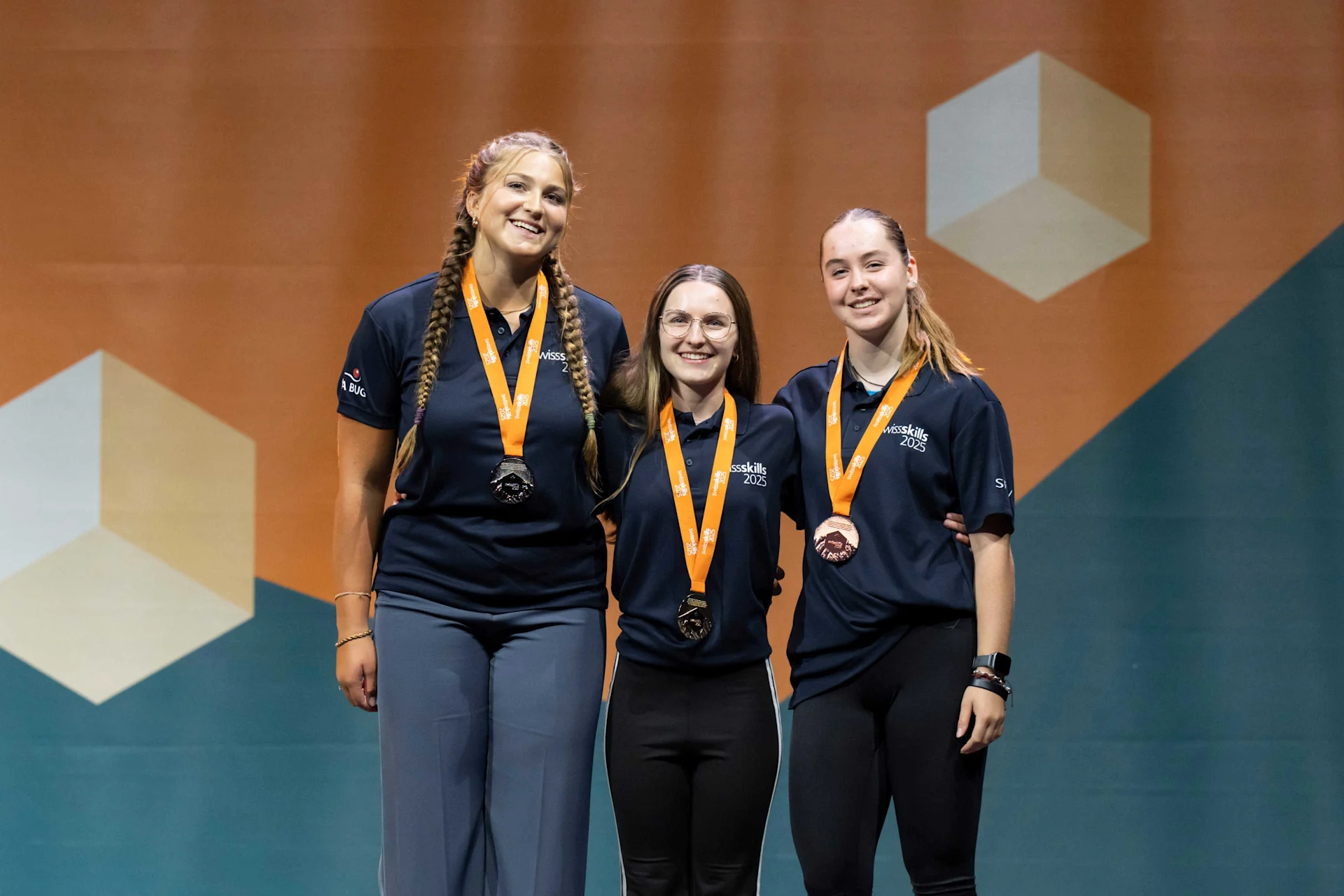
Valentina Winkler, an exercise and health promotion specialist won first place at SwissSkills 2025.

Federation of Migros Cooperatives
Ursula Nold has been Chairwoman of the Federation of Migros Cooperatives for six years. What is her role exactly?
Work environment
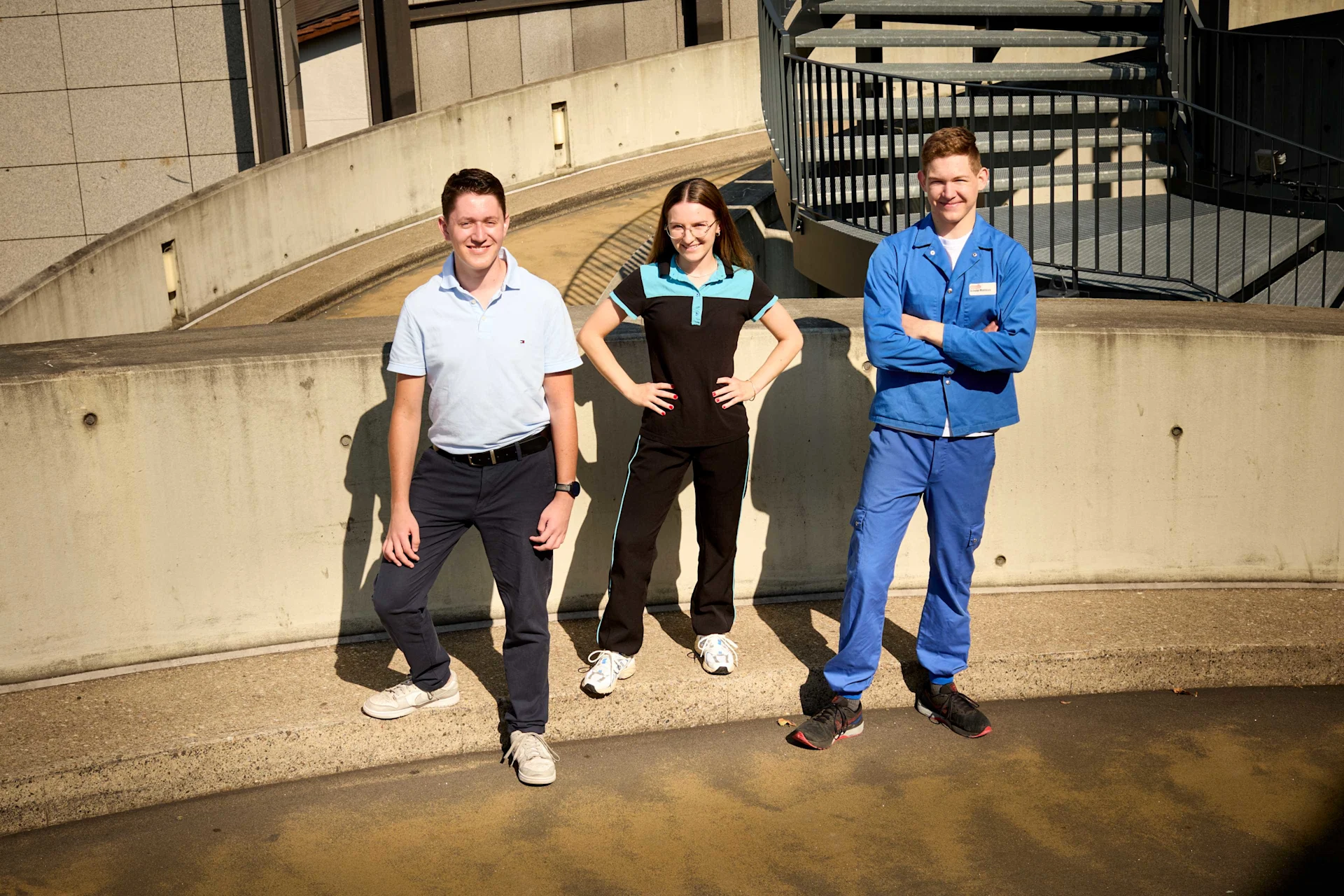
We present three Migros young professionals who will be taking part in the SwissSkills vocational championships.
Work environment
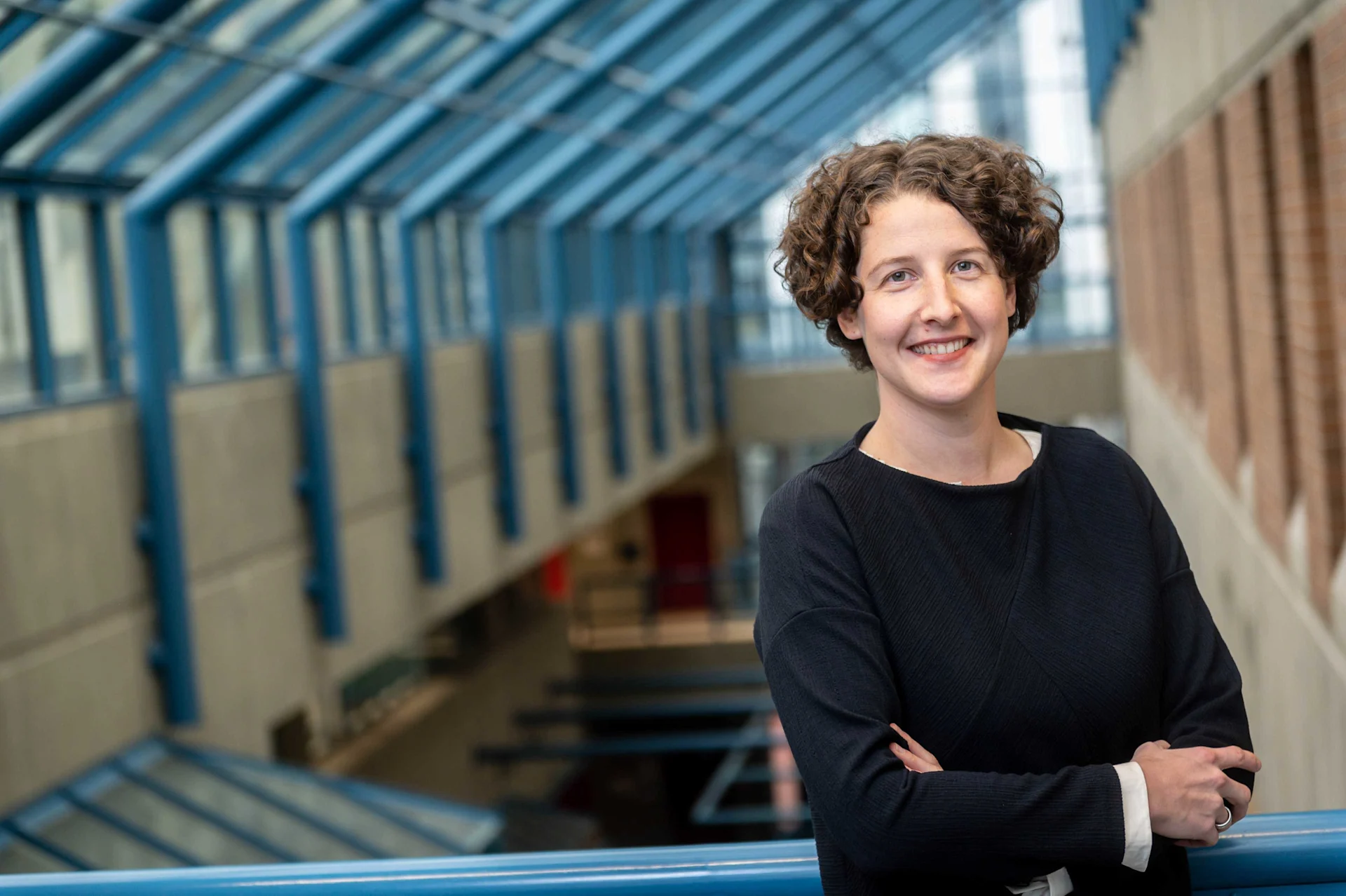
Unconscious bias can turn into prejudice. Migros is therefore committed to promoting equal opportunities.
Work environment
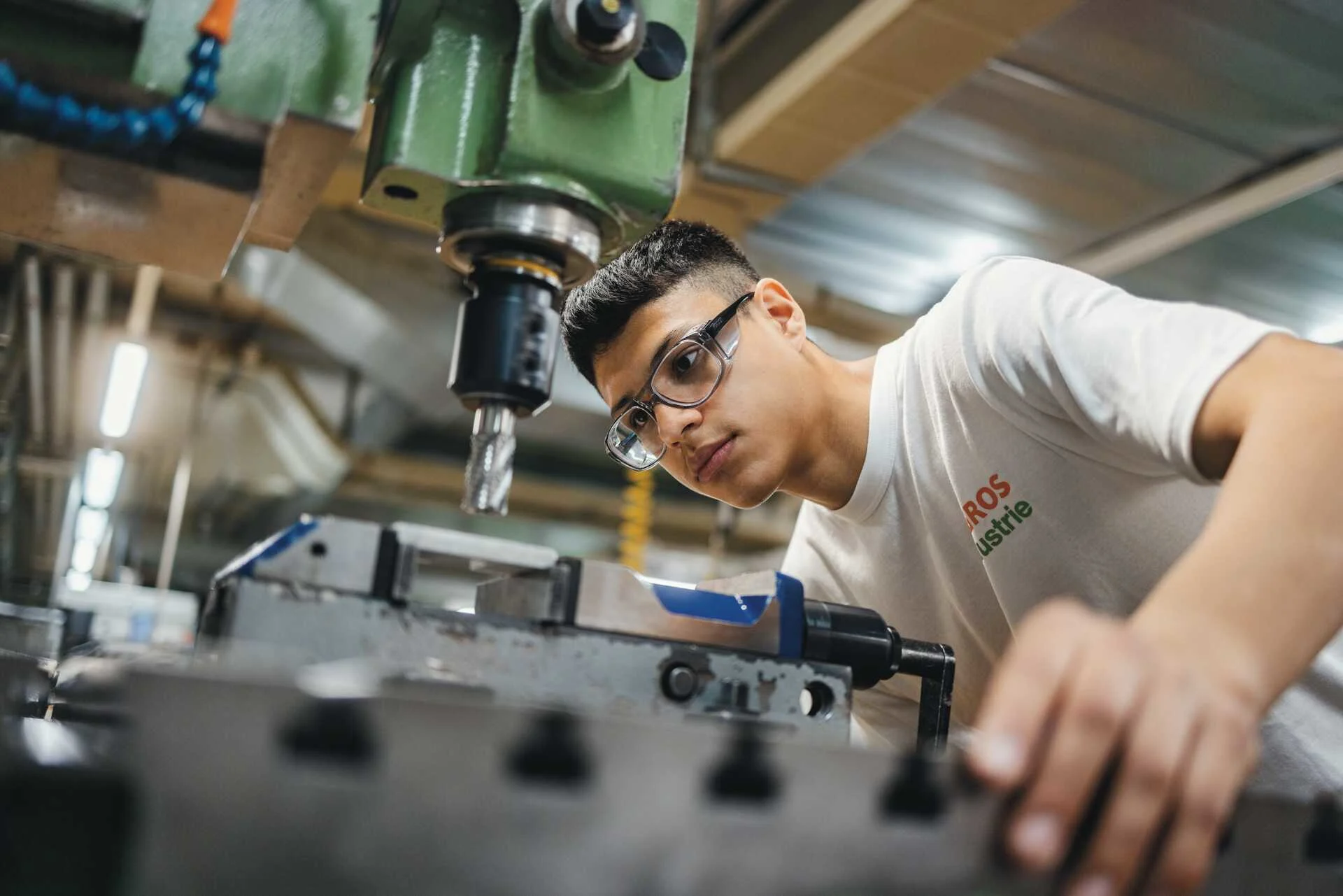
People who complete an apprenticeship have lots of opportunities to build a career – for example at Migros.