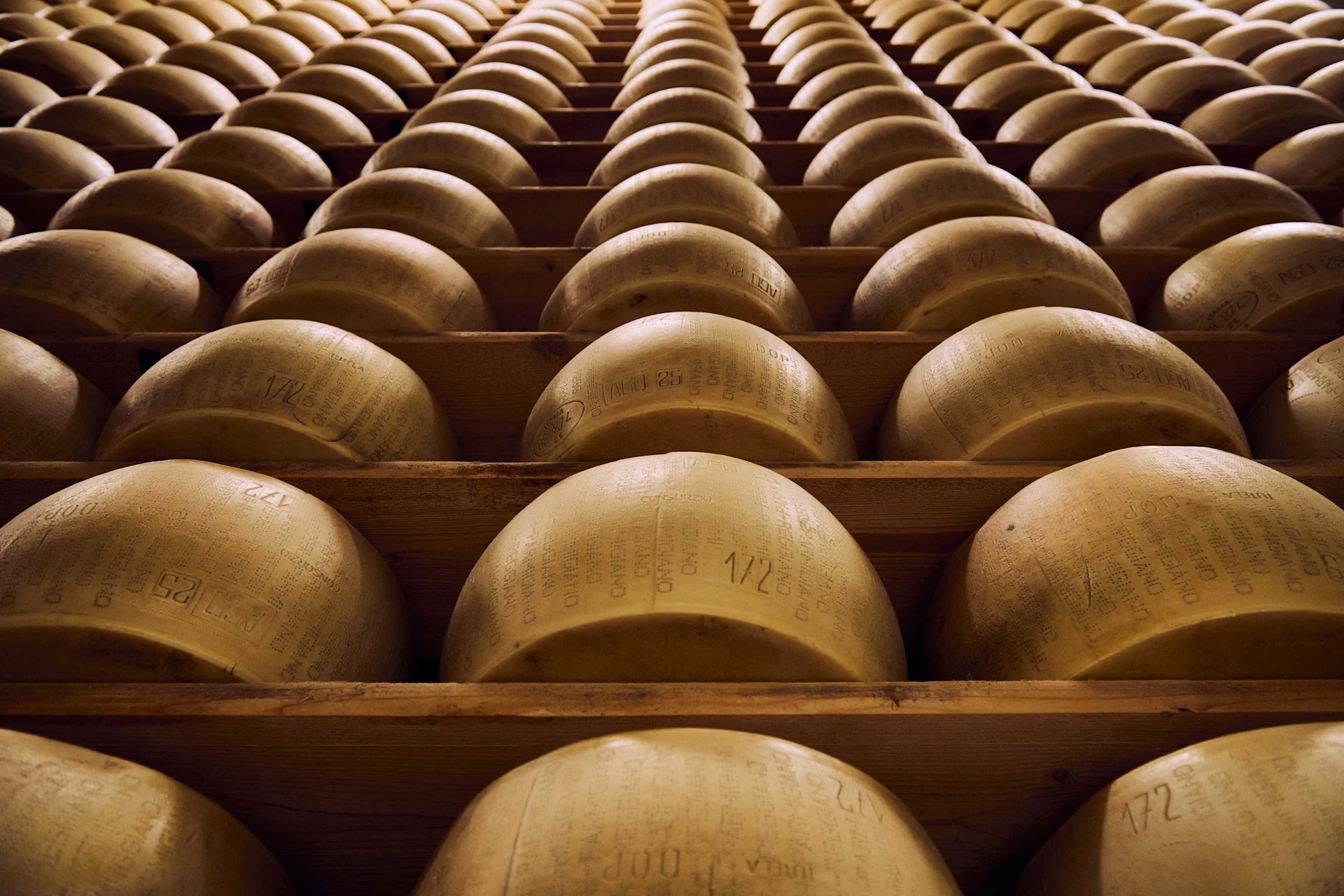
Supermarket
Where Parmigiano Reggiano comes from
We visit the Italian cheese dairy that makes Parmigiano Reggiano for Migros.
navigation


Work environment
In one family, both parents work full-time, while both work part-time in the other. They talk about how they strike a balance between their work and family life.
"Not everyone understands that I work full-time," says Gratia Hoschek, Finance project manager at the Federation of Migros Cooperatives. When Hoschek and her husband moved from London to Zurich, their then one-year-old daughter was the only child at her nursery to be there five days a week. "In England, most parents work full-time. It was always clear to us that we both wanted to continue working full-time even though we had a child," says Gratia. In Switzerland, some parents openly told her that this was too much for a child. Sometimes it was just raised eyebrows, like those of a neighbour who expressed that they could not comprehend the situation.

Mothers who work on a full-time basis tend to be the exception in Switzerland. Although 80% of mothers continue to work, four-fifths of these do so part-time. The number of fathers who do this stands at approximately 13%. Roberto Diodati, an IT consultant at Migros, reduced his workload when his daughter was born two years ago. He works on a 90% basis spread over four days, with long working days from Tuesday to Friday. Monday is dedicated to spending time with his daughter. "The day I spend solely with my daughter is very important to me," he says. His wife, who is employed by an accident insurance provider, works on a 60% basis. They are expecting their second child in May. After her maternity leave, she wants to return to work on a 40% basis. "We have done the maths and we will be fine financially," says Roberto. He used to work in accounting, so numbers are his thing. They live frugally and they don't have to pay any external childcare costs, as both sets of grandparents will look after the children on set days. The childcare model works for them and strengthens family cohesion. Life only gets complicated when the grandparents are away on holiday or sick.

The Family Time Initiative is currently collecting signatures. This initiative is calling for equal parental leave of 18 weeks after the birth of a child, following the example of Japan and Norway. There, parents receive 10 months (Japan) and 49 weeks (Norway) of leave, on the condition that fathers assume parental duties. As a result, the proportion of women in employment has risen.
Gratia Hoschek explains that both she and her husband took parental leave by chance, which proved to be very valuable. Her husband changed jobs during her maternity leave and stayed at home for three months while she returned to work. "The experience of looking after a baby alone has strengthened our mutual understanding and appreciation of care work," she says. Their older daughter is now six years old and already at school, while their younger daughter is three years old. After the birth of her second daughter, Gratia Hoschek hired a nanny to look after the children two days a week. "Without her support, everyday life would be difficult to cope with," she says.
The experience of looking after a baby alone has strengthened our mutual understanding and appreciation of care work.
Roberto Diodati and Gratia Hoschek believe that striking a balance between their careers and their families can be done easily in Switzerland – at least in their privileged positions with flexible working hours, understanding bosses and external help. Both are members of the Migros "Working Parents" community. "It's good to be able to share experiences with other parents in similar situations. And it creates understanding, as the challenges are not the same for everyone," says Roberto. Gratia agrees with him and would like to see greater acceptance of different models. "Every model is justified as long as it works for your own family."
Discover exciting stories about all aspects of Migros, our commitment and the people behind it. We also provide practical advice for everyday life.
Supermarket
We visit the Italian cheese dairy that makes Parmigiano Reggiano for Migros.

Migros Group
The Migros Group is emerging stronger from its transformation. The most important figures for the 2025 financial year.
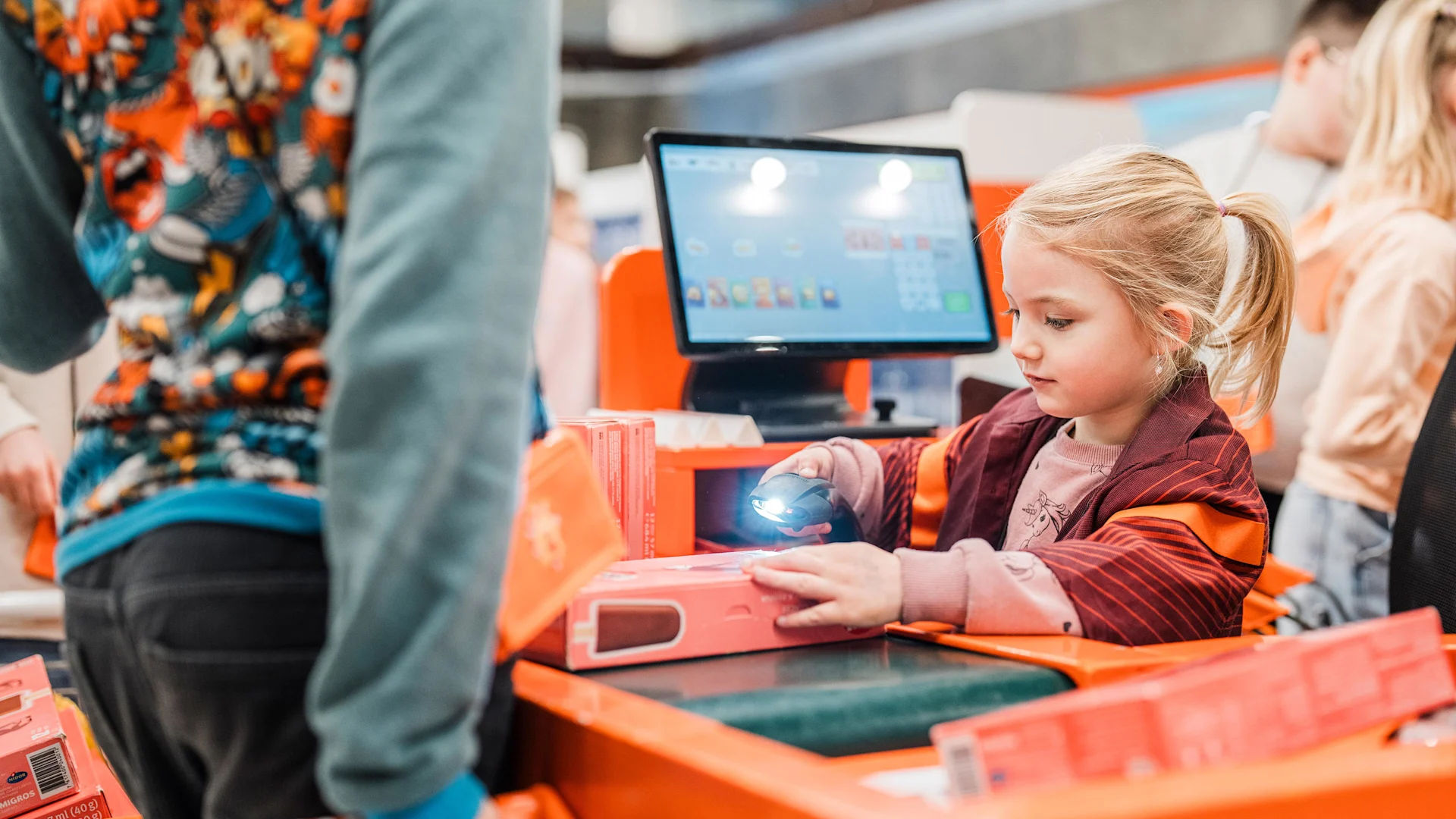
Migros Commitment
At Switzerland’s largest play store, children can work the till, fill shelves and pretend to shop.
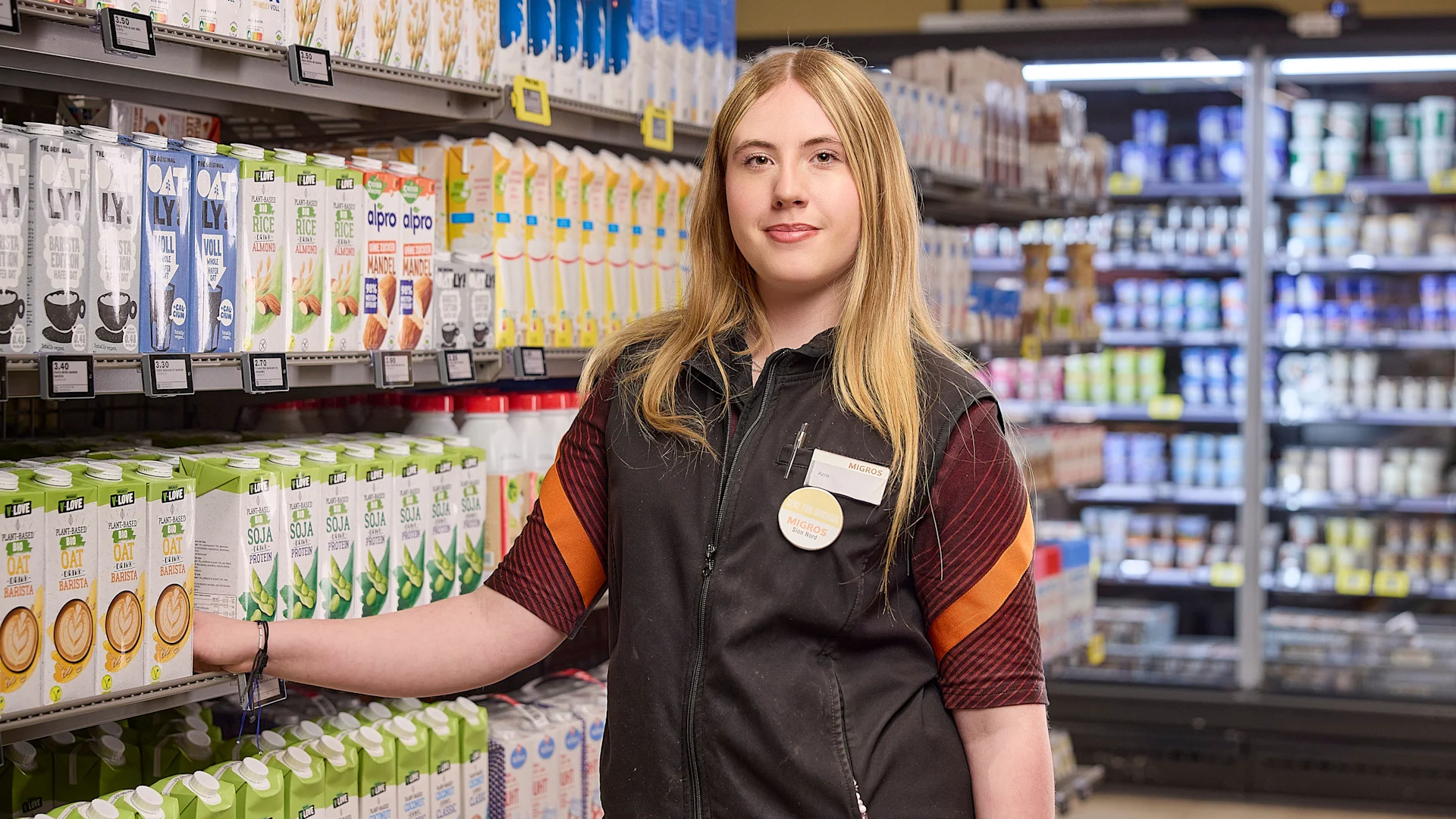
Work environment
Apprentices ran a Migros store in Sion by themselves. We find out what they learned from the experience.
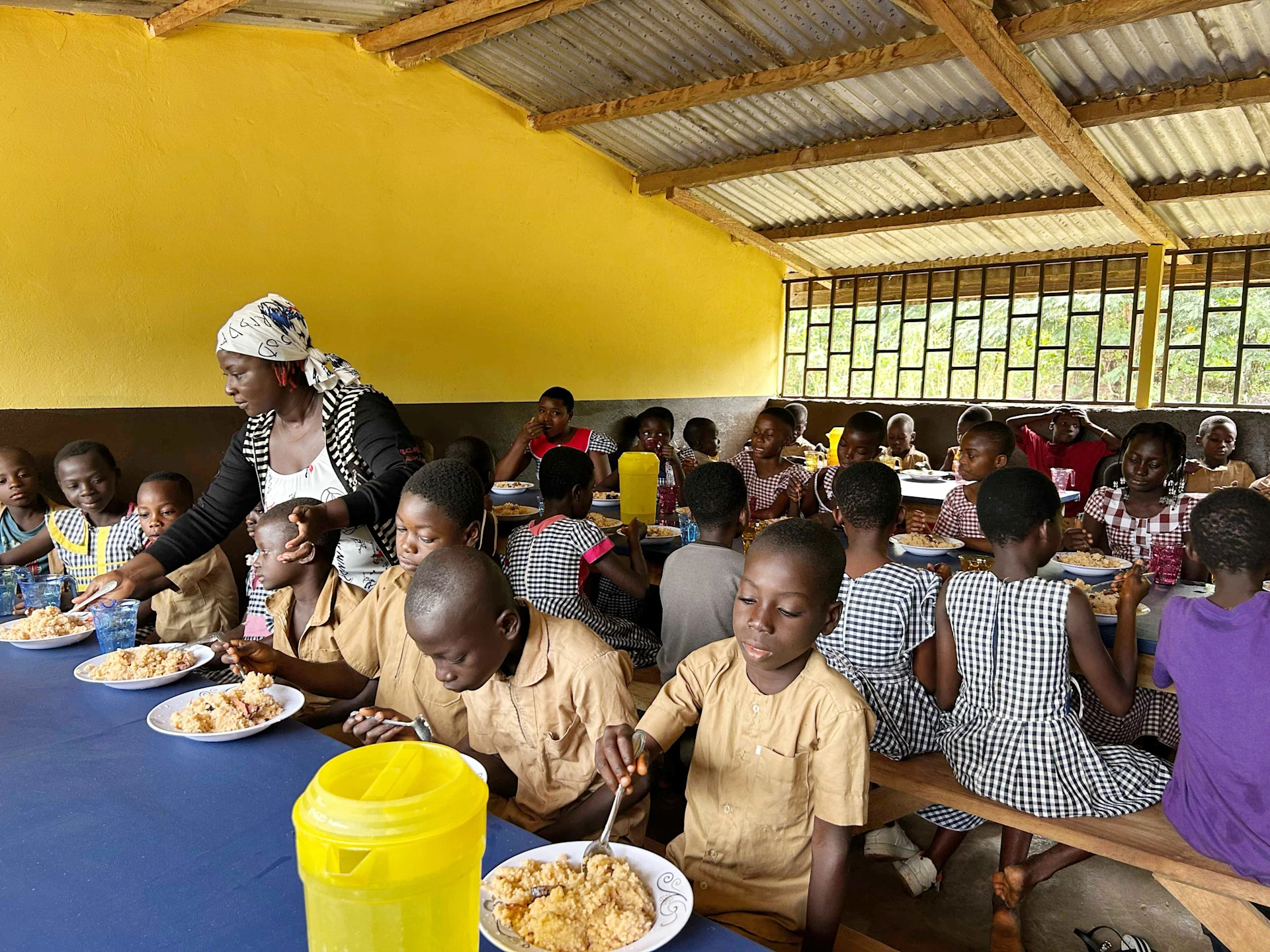
Sustainability
If you buy a bar of "Côte d'Ivoire" chocolate, you will be contributing to a success story in West Africa.
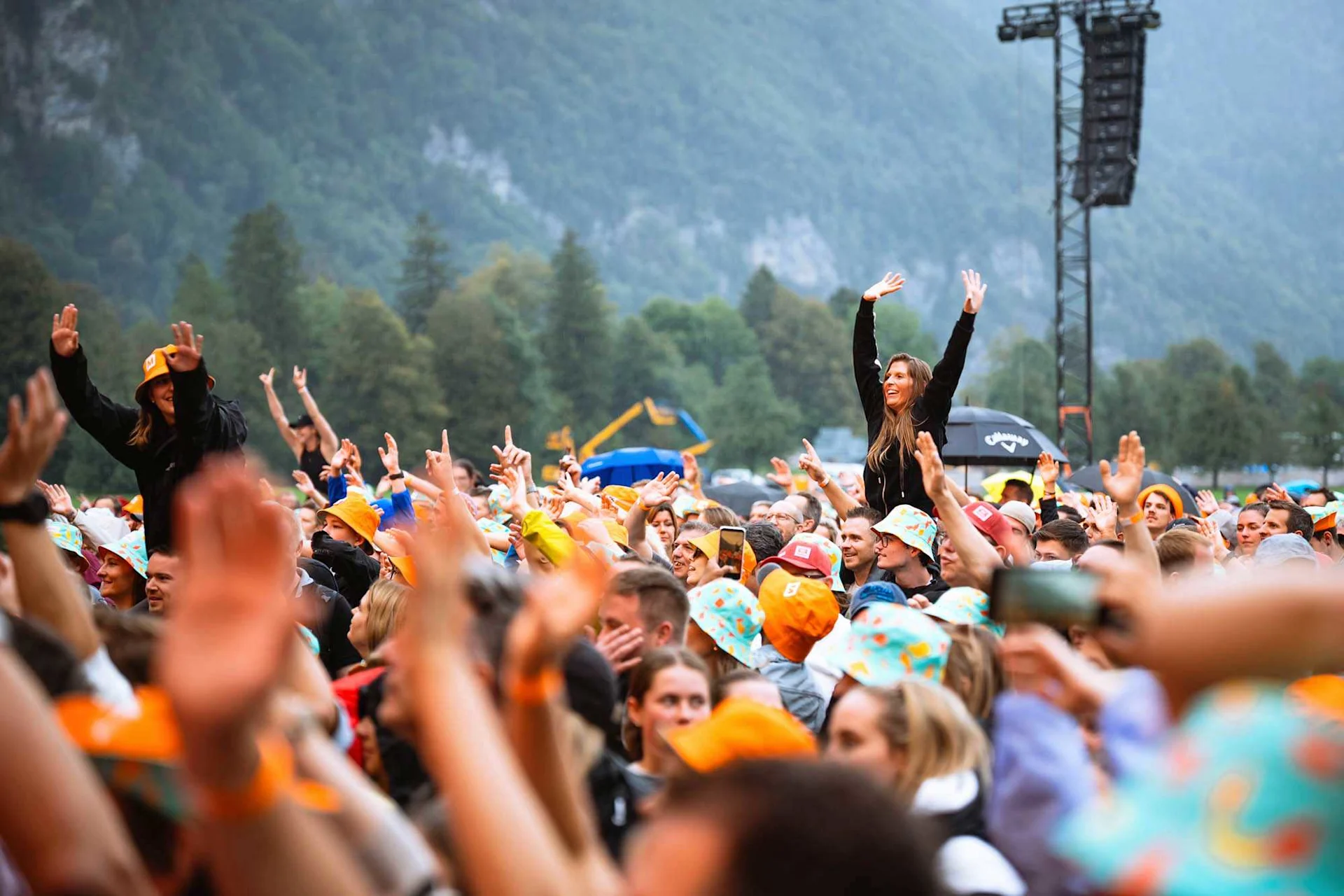
Migros anniversary
The many ways Migros celebrated its 100th birthday. A look back at Migros’ centenary.

Work environment
We visited the huge Digitec Galaxus logistics centre, which is a hive of activity over the Christmas period.
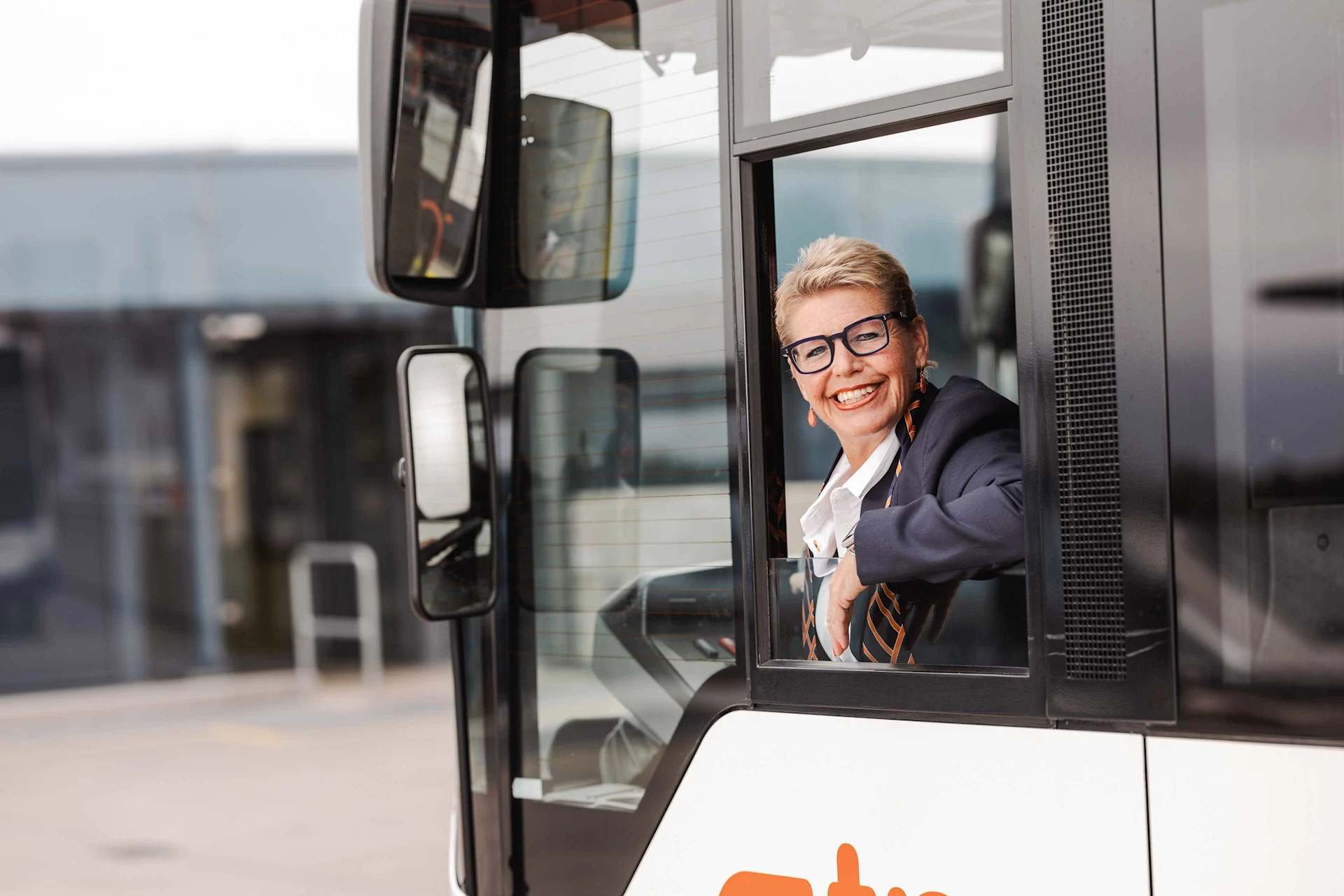
Work environment
Further training and reorientation can help older employees remain attractive on the labour market. We provide tips.
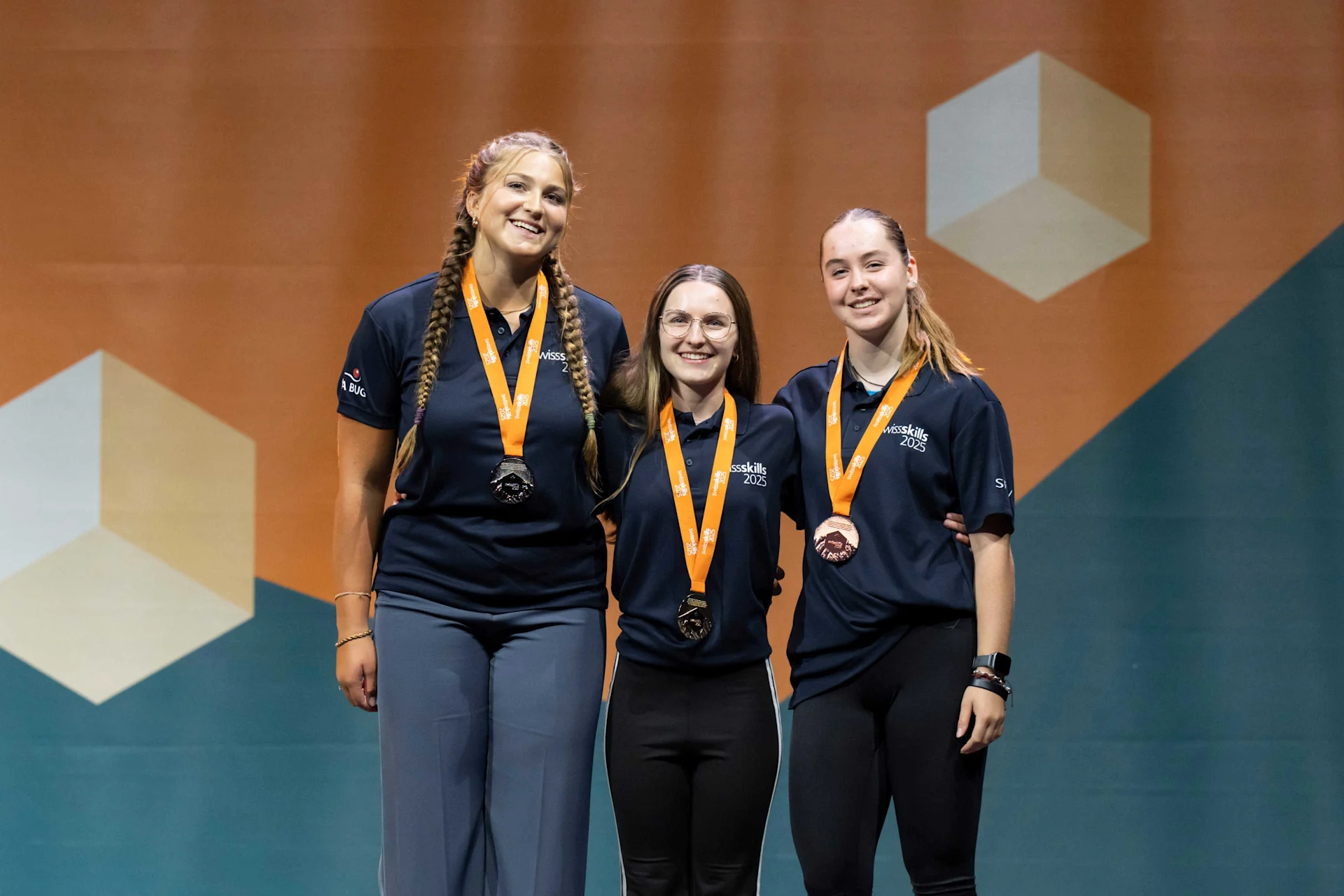
Work environment
Valentina Winkler, an exercise and health promotion specialist won first place at SwissSkills 2025.

Federation of Migros Cooperatives
Ursula Nold has been Chairwoman of the Federation of Migros Cooperatives for six years. What is her role exactly?
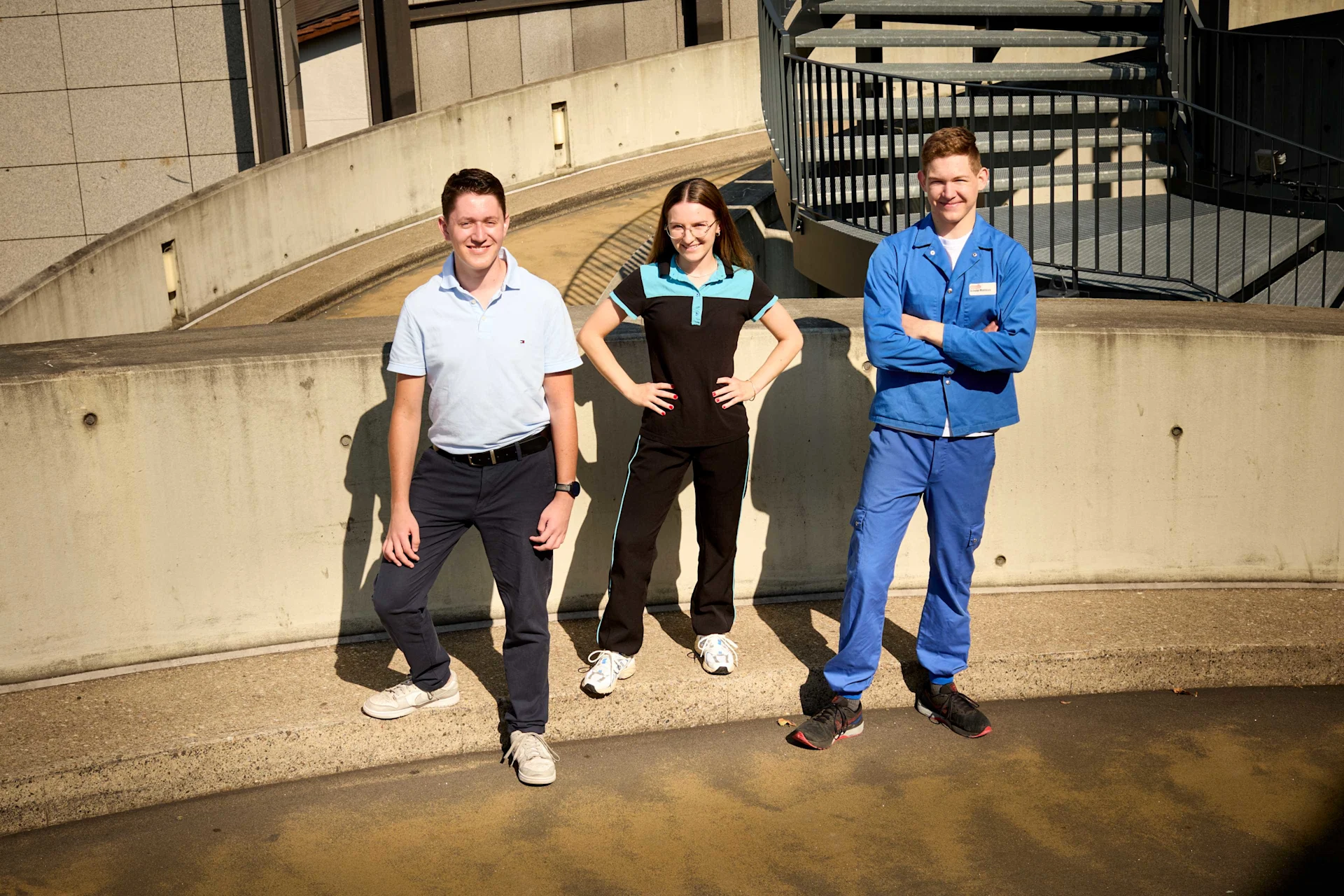
Work environment
We present three Migros young professionals who will be taking part in the SwissSkills vocational championships.