Interview
Why medicines become scarce
Time and again, medicines are in short supply in Switzerland. We look at why and what to do about it.
navigation


Supermarket
Idea, sketch, production and tasting: how Easter bunnies are created for Migros and who belongs to the bunny-making team.
Migros bunny makers spend 16 months tinkering with the design of each new chocolate bunny before it arrives on Migros shelves. That's how long it takes for an idea to become a finished bunny. Many different professionals are involved during this time.
They include Catia Pérez, a brand manager for the Frey brand; Ladina Köhli, a Migros category manager and the person responsible for the chocolate range; Lina Windlin, the product manager responsible for chocolate production at Delica in Buchs AG; Yvonne Denoth, a sensor technician at Migros Supermarket Ltd, who tests the flavour of every product; and store employees like Leoni Hedinger, who puts the bunnies on the shelves. We took a peek over the shoulders of these bunny-makers.
When Lina Windlin, Catia Pérez and Ladina Köhli withdraw to a meeting room in the autumn, it can only mean one thing: they're conjuring up new chocolate ideas for Easter, half a year away. The three women bring a bunch of colourful Post-it notes with them as well as the sales figures for the past bunny season and a list of the latest flavour trends in the chocolate sector. For example, popcorn, cocoa nibs (peeled, crushed cocoa beans) or blonde chocolate with caramel.

They then use this information to organise a speed brainstorming session. "We collect as many ideas as possible in a short space of time. We then filter out particularly good ideas from this mass," Köhli explains. Pérez adds: "A new product must appeal to the Swiss public, but also fit in with the rest of the range."
This is what spawned the idea for the blonde chocolate Rochelino bunny, which will be on sale for Easter 2026 alongside its regular brown Rochelino siblings.
However, before this can happen, the team must first establish exactly how the new bunny should taste. Initial samples are made specially for this purpose at the Delica factory in Buchs. Delica is a Migros industrial that has been making Chocolat Frey products since 1887.
The initial samples sometimes already look like bunnies, complete with marzipan eyes. At other times, they're just plain bars in the new flavour.
In spring 2025, Delica sent two variants - a white chocolate Rochelino and another made of blonde chocolate - to Zurich for taste-testing by sensory expert Yvonne Denoth. Blonde chocolate is made of white chocolate, but also contains caramel, which gives it a darker colour and a sweet hint of caramel.

Ladina Köhli, Lina Windlin and two other colleagues from the team responsible for the product range were also on site for the taste-testing. Together, they made up the Rochelino jury on that day. Yvonne Denoth placed the test bunny on a tray.
She wasn't squeamish about either, cutting it up roughly with a knife, then chopping the chocolate further by hand. Everything was quiet in the room. After all, everyone was supposed to taste the new creation on their own. "We pay attention to the appearance as well as also to the smell, flavour and how much the chocolate cracks," Denoth explains.
Each tester then noted their own impressions, before discussing them as a group. The women unanimously chose the blonde chocolate variant. Lina Windlin could now get down to work with the Delica team.
What should the packaging look like? Brand Manager Catia Pérez asks herself this question every time a new product is launched under the Frey brand. This was also the case with the new Rochelino.
"Because there are already products in this range, certain aspects of the packaging are predetermined," Pérez explains. One thing is crucial for Easter bunnies: they must be clearly visible. For this reason, the packaging must neither distract nor contain too many elements.
"I primarily make sure that the colours used on the packaging match the type of chocolate." The text must also be legible and the logo clearly visible. To this end, Pérez creates a precise briefing and sends it to the packaging agency. "I then receive the first variants. As soon as I've decided on one, I give the green light for production of the bags," she says.
A few months later, just before Christmas 2025, production is running at full speed in Buchs. The new blonde Rochelino is one of more than 50 bunnies that are being made there.
Because it contains a layer of almonds, not all the machines can be used. Many steps, such as attaching the eyes, are done by hand. Lina Windlin and the production team checked the machines in advance and made their decision: their Rochelino should be produced on the praline production line.

A total of 4,500 units are now produced every day. Each chocolate blank is then placed on a mesh conveyor belt. It already has a bunny shape, but no almond "fur" yet. After an initial shower of chocolate, it passes under a fan, only to immediately be doused in another layer of chocolate.
A few metres further on, the mesh belt shakes vigorously. This helps the almond slivers raining down on the bunnies to stick better. Two employees then clean the eye area by hand. After all, any remaining almonds will prevent the eyes from sticking properly.
The most challenging aspect of making Rochelinos is their weight. After all, these bunnies consist of several layers of chocolate and almonds. It's therefore something of a challenge to ensure that each rabbit weighs exactly 180 grams.
A few metres further on, the bunny gets the finishing touch: a last layer of chocolate is poured over it and an employee carefully places two large marzipan eyes on its head.
The mesh belt then travels a few metres through a refrigerator and on to the packaging machine at the end of the long production hall. Every bunny gets its bag. If one is crooked, the employees adjust it.
The packaged bunnies finally arrived at stores in February 2026. Leoni Hedinger and her colleagues put Easter chocolate on shelves at the Migros on Limmatplatz in Zurich.
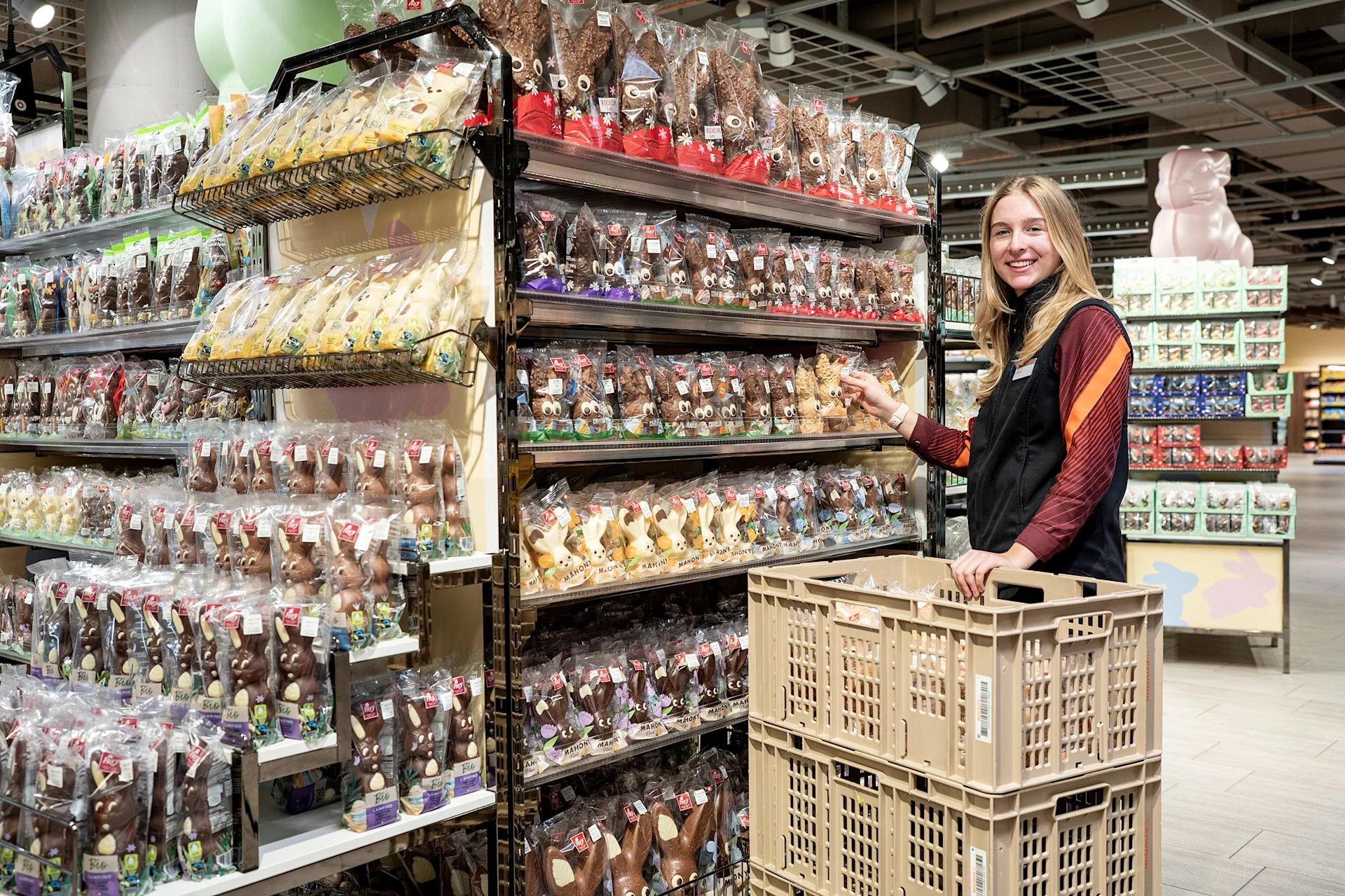
This is only possible as a team, as one person wouldn't be handle the large product range alone. "I can tell that everyone is a bit stressed because everything has to be set up in one day. But it's also a nice feeling because Easter is always associated with spring," Hedinger says.
Because there's a plan with photos for each shelf, the team knows exactly which bunny to put where. Soon the Rochelino shelf will be full too. The new blonde Rochelino has pride of place right in the centre of the shelf, greeting customers with its big, beady eyes.
Discover exciting stories about all aspects of Migros, our commitment and the people behind it. We also provide practical advice for everyday life.
Interview
Time and again, medicines are in short supply in Switzerland. We look at why and what to do about it.
Migros Bank
Married couples will soon no longer be taxed jointly. We explain the key points to bear in mind.
Supermarket
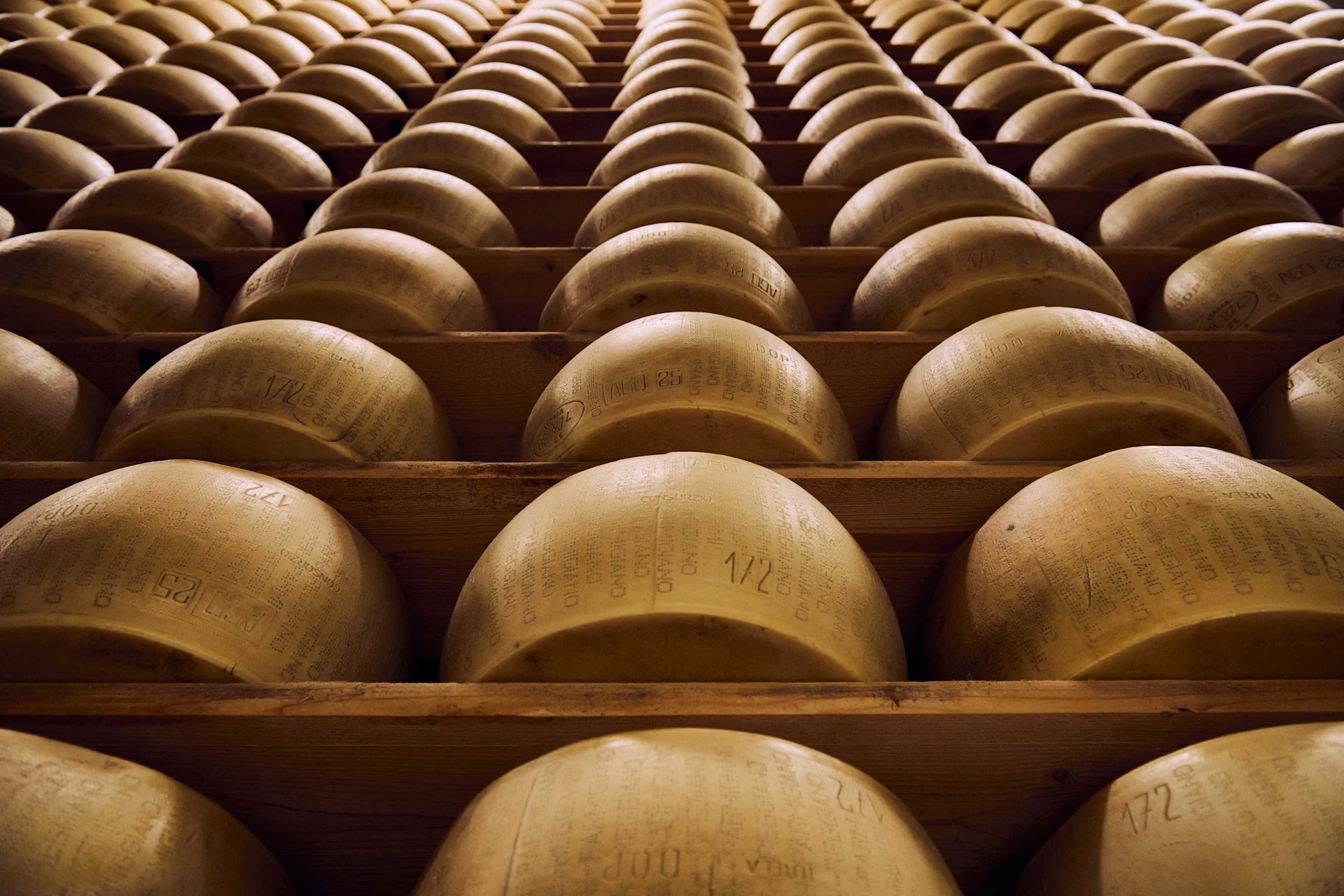
We visit the Italian cheese dairy that makes Parmigiano Reggiano for Migros.

Migros Group
The Migros Group is emerging stronger from its transformation. The most important figures for the 2025 financial year.

Migros Group
Travelling with Migros CEO Mario Irminger in India, where he visits producers and an extraordinary school.

Migros Bank
Three reasons why you should invest even when the stock market is fluctuating wildly.
Migros Commitment
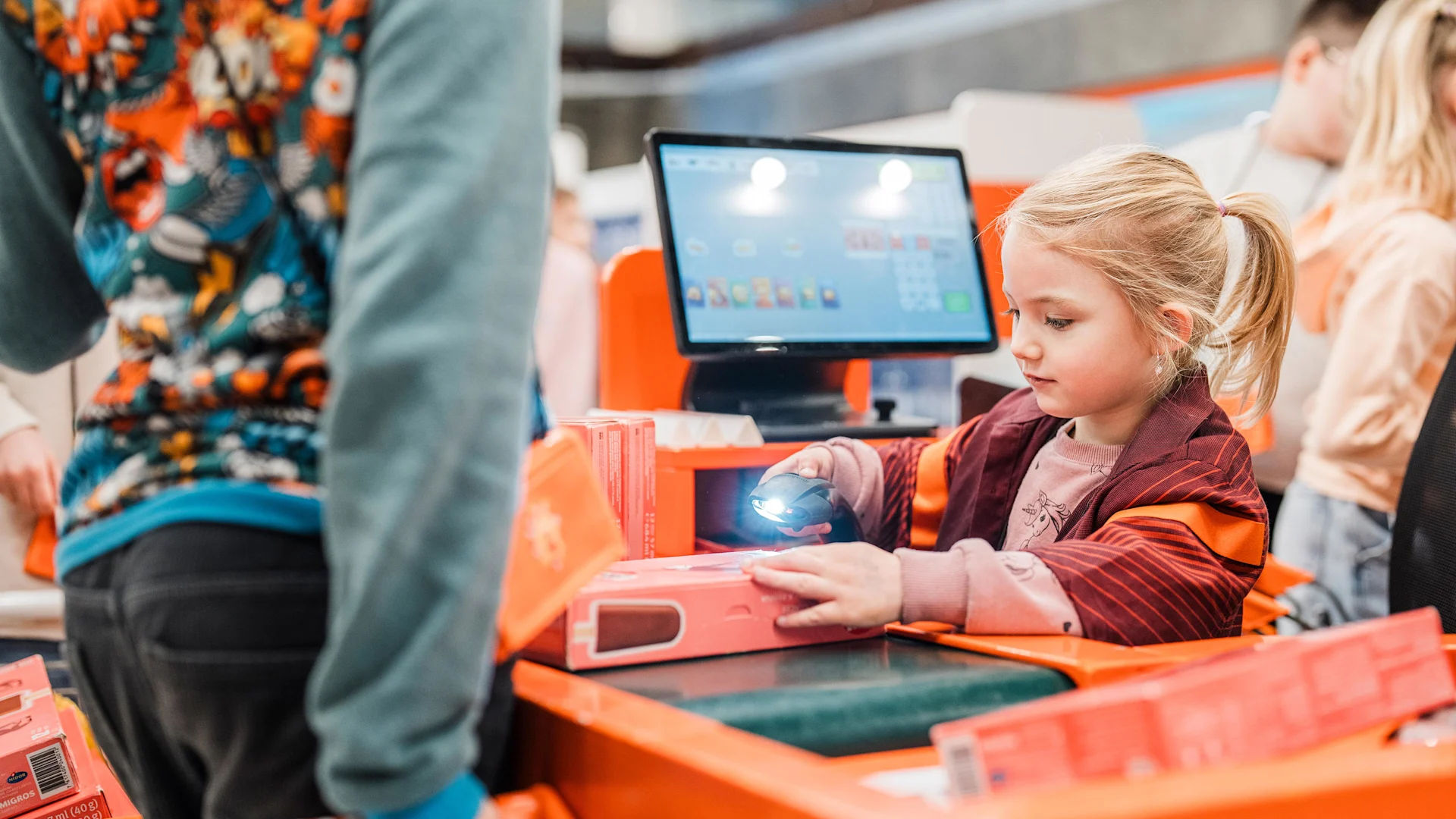
At Switzerland’s largest play store, children can work the till, fill shelves and pretend to shop.

Work environment
Two Migros employees talk about the balancing act of being parents, looking after their children and having a career.
Work environment
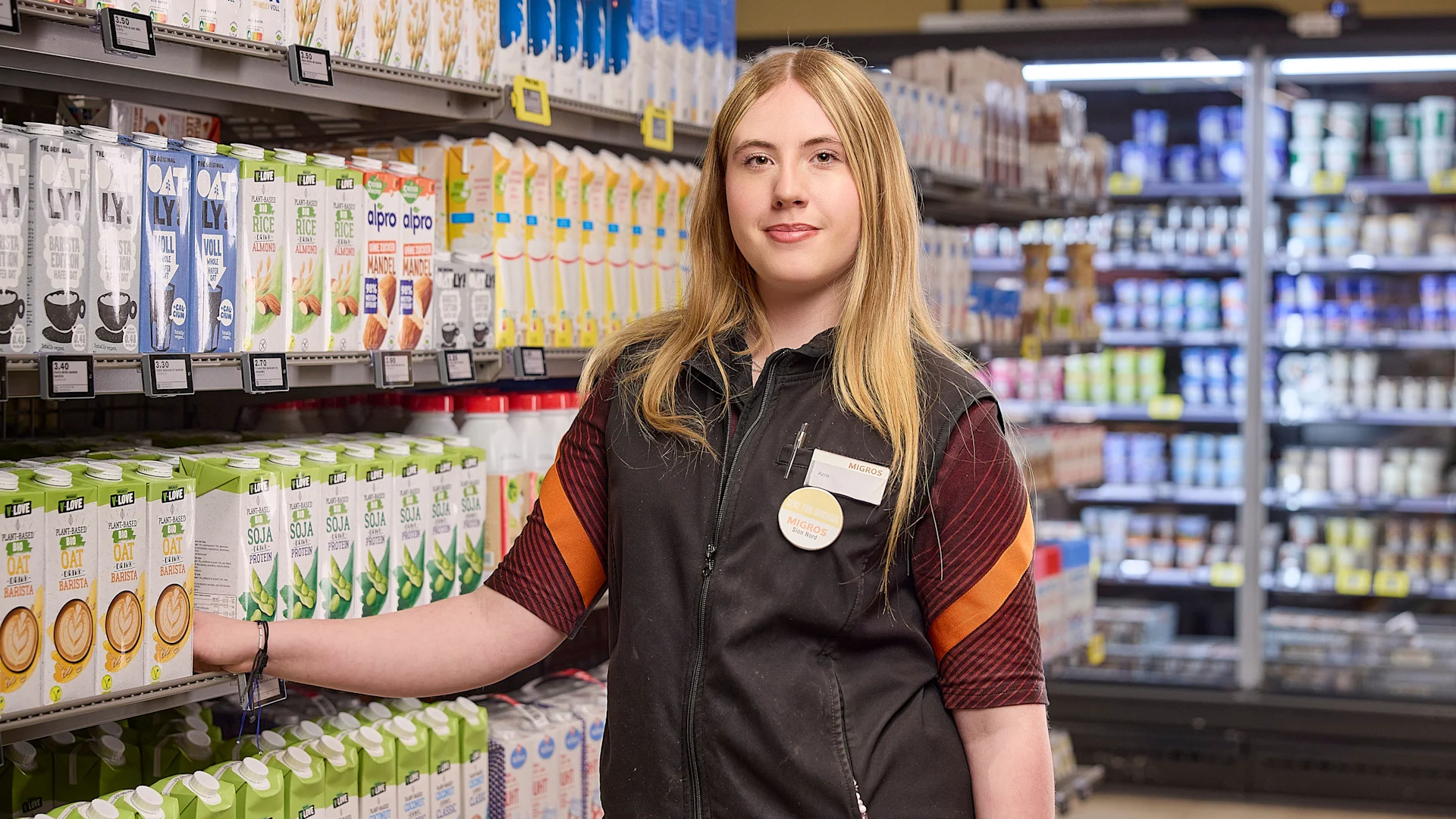
Apprentices ran a Migros store in Sion by themselves. We find out what they learned from the experience.
Migros Club School
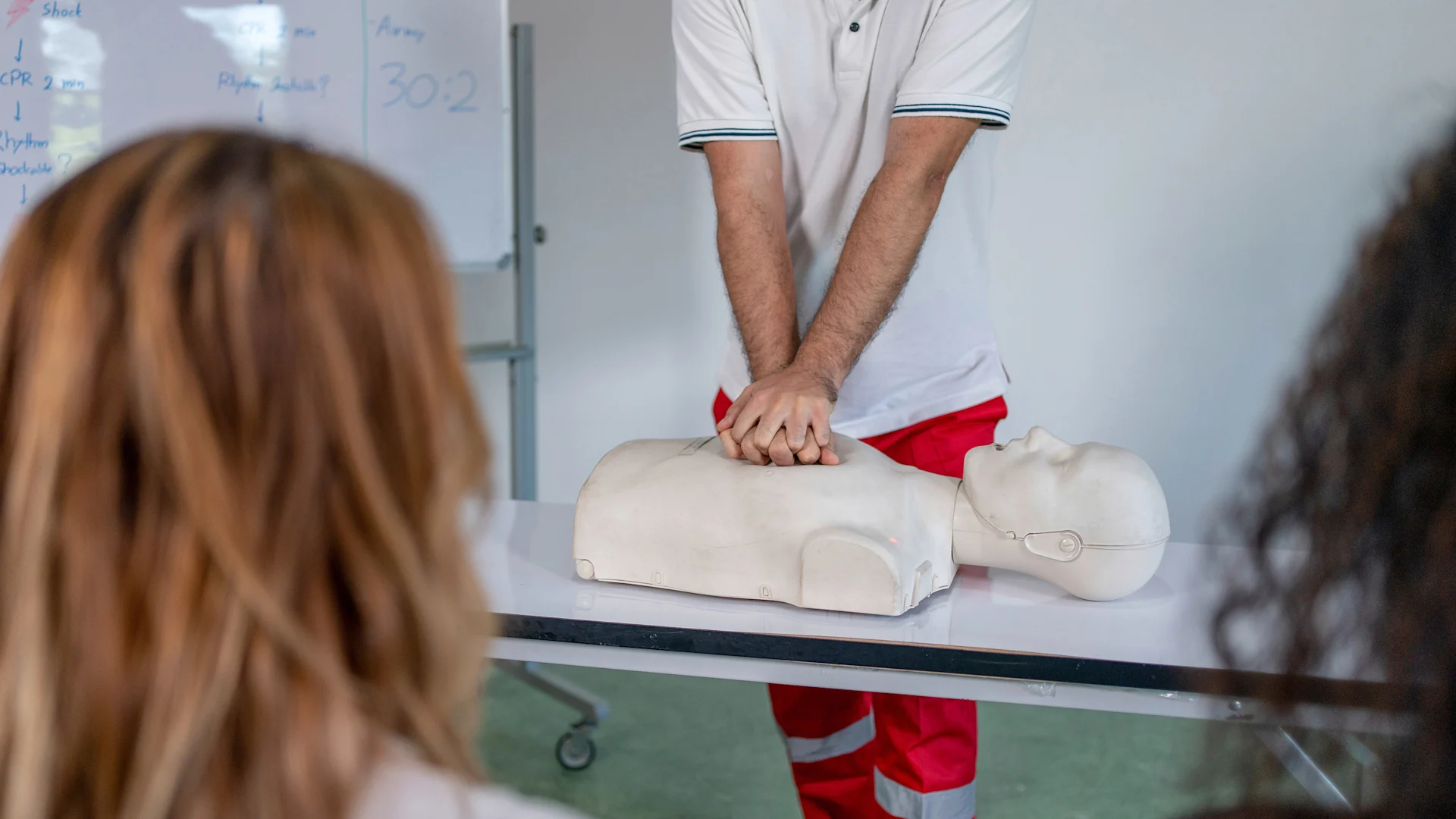
What should you do first at the scene of an accident and how can you help someone having an epileptic fit?
Sustainability
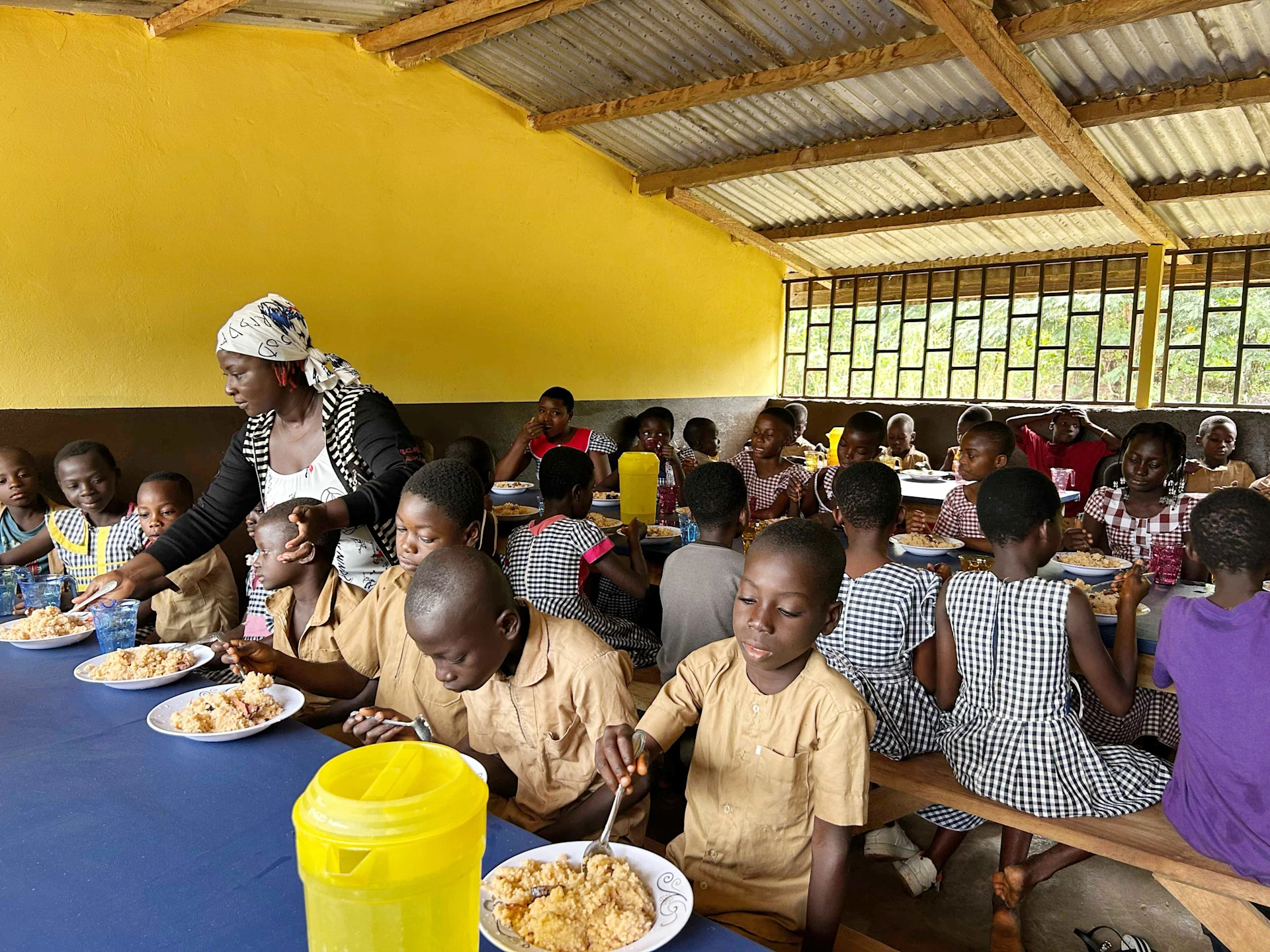
If you buy a bar of "Côte d'Ivoire" chocolate, you will be contributing to a success story in West Africa.