
Migros Group
Migros reviews its performance
The Migros Group is emerging stronger from its transformation. The most important figures for the 2025 financial year.
navigation


Supermarket
This iconic hard cheese from Italy requires lots of patience and brain power to maintain its outstanding quality. We visited the cheese dairy where Da Emilio-brand Migros products are made.
Thirty-year-old Francesco Zampineti admits that neither he nor his 34-year-old brother Luca had intended to work in their father's cheese dairy, the Latteria Centro Ghiardo in Italy. His brother had wanted to be a professional footballer, while he himself dreamed of becoming a lawyer.
However, a knee injury to Luca and a summer internship at the cheese dairy for Francesco completely upended the two brothers' plans. Today, they are committed heart and soul to Parmigiano Reggiano; the iconic cheese produced at the Centro Ghiardo cheese dairy near the Italian city of Parma.
Francesco manages relations with the customers and farmers of Granterre AG dairies, which includes their own cheese dairy, while Luca is the cheesemaker. He even lives with his family right above the dairy for quality assurance purposes.
"This isn't unusual, just one of the many strict rules for producing Parmigiano Reggiano," Francesco Zampineti explains. His brother's proximity means he is also right there on site at night if something happens to the milk.
Many other rules are designed to guarantee the first-rate quality of the cheese. For example, all cows that produce milk for Parmigiano Reggiano must have been born in the region. Around Bibbiano, where the Zampineti's dairy is located, there are about 300 dairies dedicated to Parmesan cheese.
"Bibbiano is also where the very first Parmigiano Reggiano was produced, more than 800 years ago," Zampineti says proudly. The River Po plays a vitally important role in Italy's Parmesan production: Grana Padano is produced on the northern side of the river, Parmigiano Reggiano on the southern shores.
So what's the difference between the two cheeses, apart from the stricter rules on Parmigiano Reggiano? After all, they have a similar crumbly consistency and flavour. Francesco Zampineti explains as he guides us through his cheese dairy.
It's early in the morning and a lorry is unloading milk. This is emptied into large vats that can hold almost 1200 litres. Yet the cheesemakers still only fill them halfway with fresh whole milk.
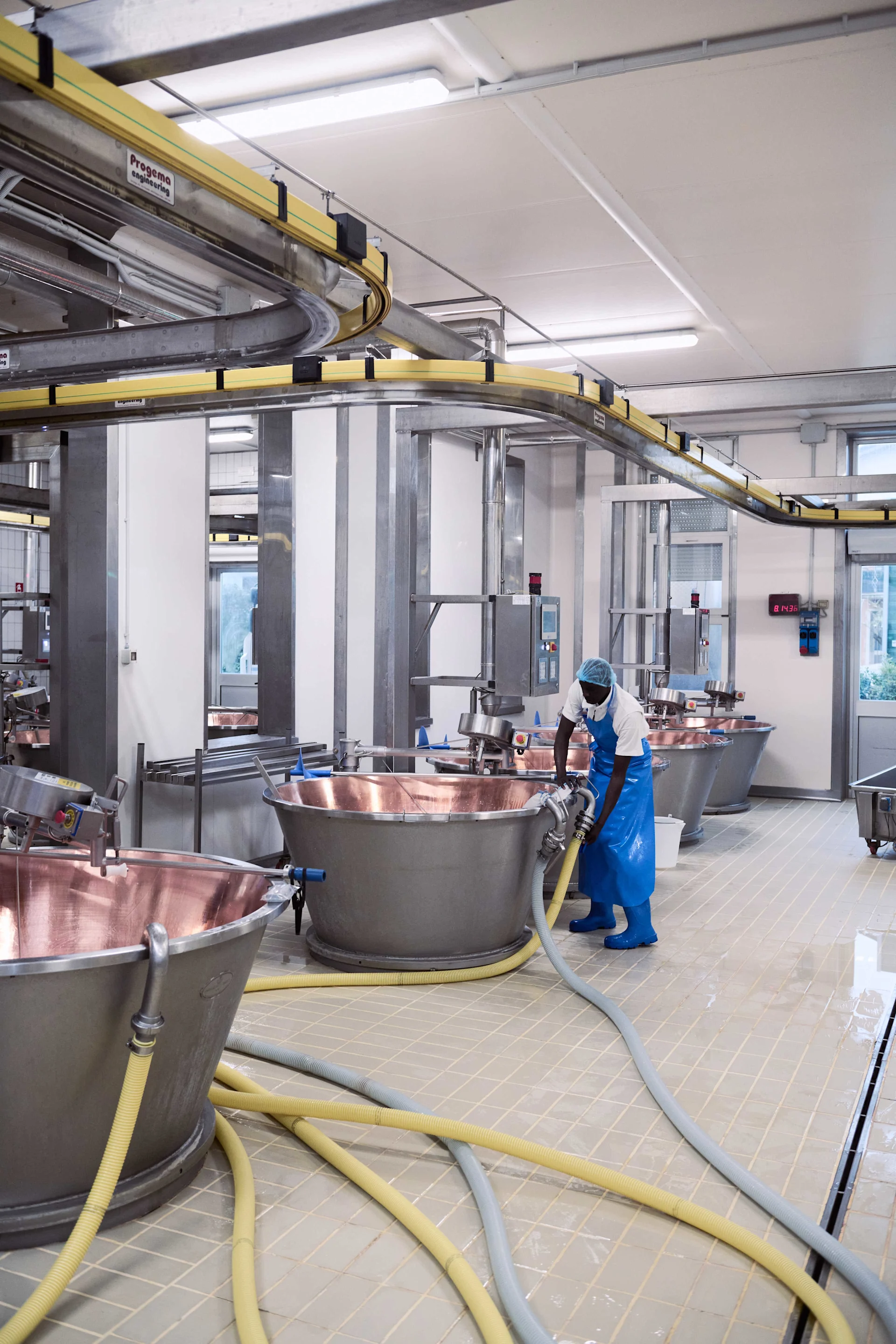
Then they top up with skimmed milk. This arrived at the dairy the evening before, also in the form of whole milk, and rested overnight in large basins. This produces a layer of cream on the surface, which the cheesemakers skim off in the morning.
"Grana Padano only contains skimmed milk. That's why the cheesemakers there skim the cream off their whole milk. Parmigiano Reggiano, on the other hand, is made from equal parts of semi-skimmed and whole milk," Francesco Zampineti reveals.
As soon as the vats have been filled, the cheesemakers conduct a high-precision ritual with the milk. Just over two hours later, each vat of 1200 litres of milk will have been turned into two wheels of cheese, each weighing about 35-40 kilos.
After gently warming the milk for about half an hour, the first critical point in the process is reached: about 40 millilitres of liquid rennet, a mixture of enzymes from calves' stomachs, is added to each vat.
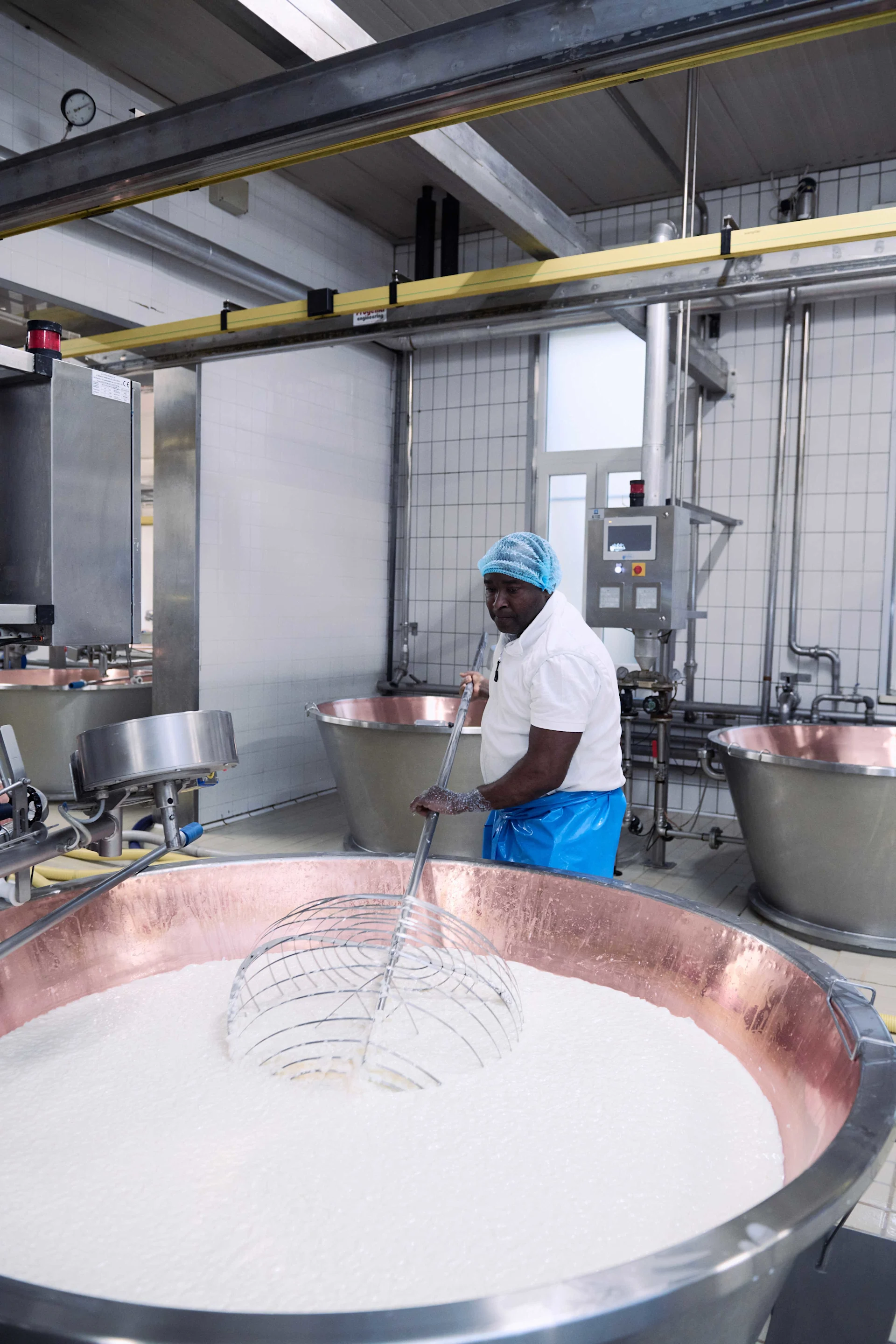
This tiny amount is enough to thicken the liquid milk. After exactly ten minutes, the time has come: the cheesemakers carefully cut the slightly thickened mass with a rake-like tool called a spino.
Shortly afterwards, uniform grains can be seen in the vat. Following this first manual procedure, a machine cuts the mass further.
The next critical moment takes place a little later on, when the mass in the kettle looks like cottage cheese. It is now referred to as cheese curd. The cheesemakers check its consistency and shape by plunging their hand into the vat. "A machine wouldn't be able to sense whether the grainy cheese with granules the size of rice grains has the right consistency," Francesco Zampineti explains.
The curd is then heated slowly in three stages. The cheesemakers check the consistency again by hand and know exactly when it's time to stop cooking. The cheese has now become firm and rubbery.
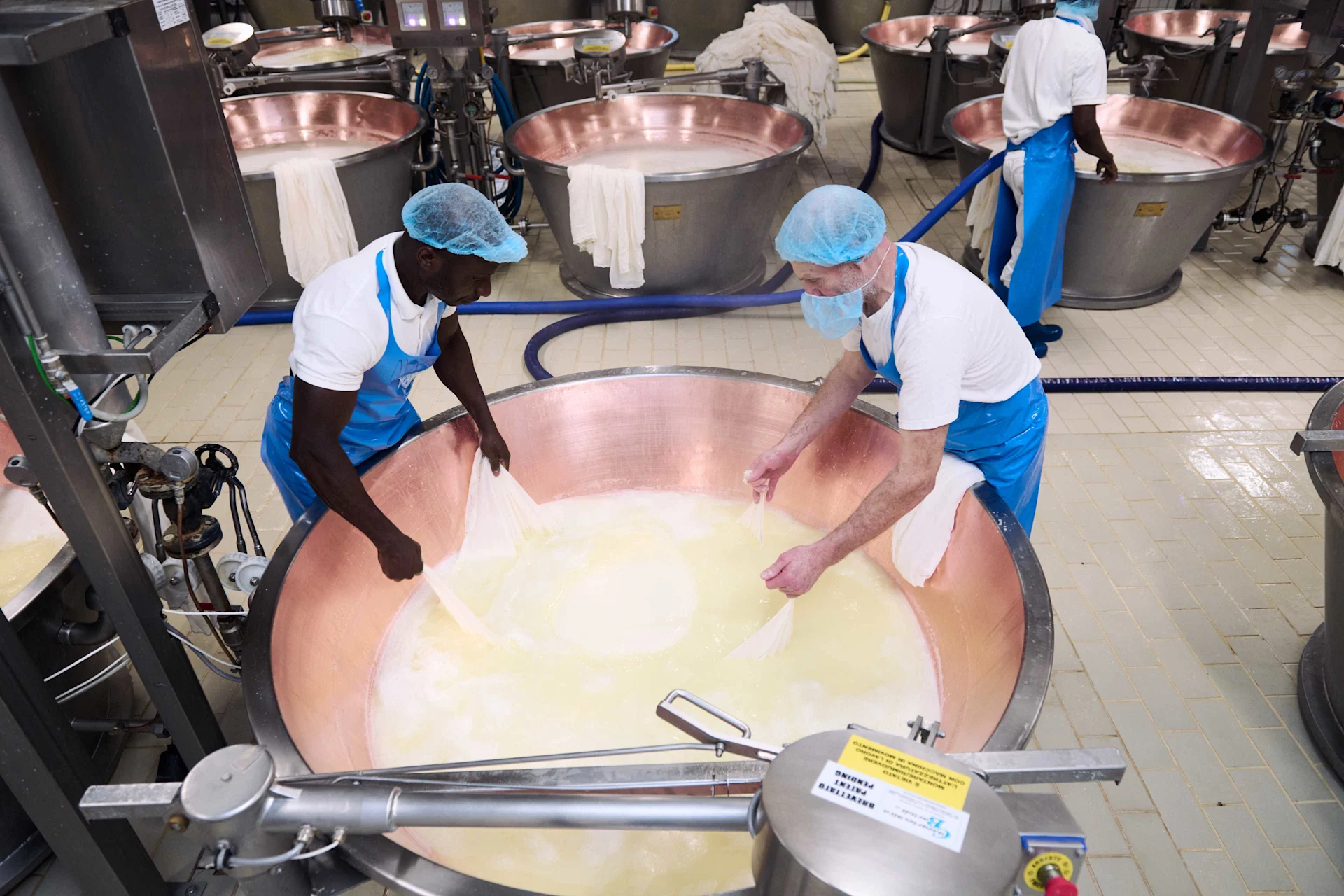
After leaving it to rest for about an hour, two men lift the cheese out of the vat by hand using a cloth and hang it over a draining basin. This is quite a feat of strength, since the mass still weighs about 100 kilos. The liquid whey is left in the vat.
Once what is inside the cloth has drained, the cheesemakers cut it in half with a knife. Then they heave the two shapeless, soft blocks into a plastic mould. Its eventual cheese shape is now easy to recognise.
From this point, patience is required above all else because the still-soft cheese has to spend a few more hours in this mould. The next day, it is enclosed in a metal ring and placed in a brine bath, where it remains for three weeks acquiring its tangy taste. By this stage, all the key elements - milk, salt and rennet - have now been added and the cheese can be left to mature.
Another key requirement for Parmigiano Reggiano is a maturation period of a minimum of 12 months. Grana Padano ripens for at least nine months.
In the nearby warehouse, which Francesco Zampineti also shows us, some cheese wheels are left on the shelves for 24, 36 or even 72 months. In all, there is space for 50,000 wheels. Migros alone sold almost 12,000 under its own brand, Da Emilio, in 2025.
To prevent mould forming on the rind, we brush it off.
Every ten days, the silent waiting in the warehouse is interrupted by washing. "To prevent mould forming on the rind, we brush it off," Francesco says. After 12 months, representatives of the umbrella organisation for Parmigiano Reggiano visit and check the quality of the cheese – a prerequisite if it is to obtain the Denominazione di Origine Protetta (DOP) seal of quality.
They do this by tapping the cheese with a hammer-like instrument, which is why the inspectors are called 'battitori', or beaters. "They hear everything. Whether there are vertical or horizontal cracks, holes, or whether the consistency has changed. That takes a lot of experience," Francesco explains, demonstrating the process himself.
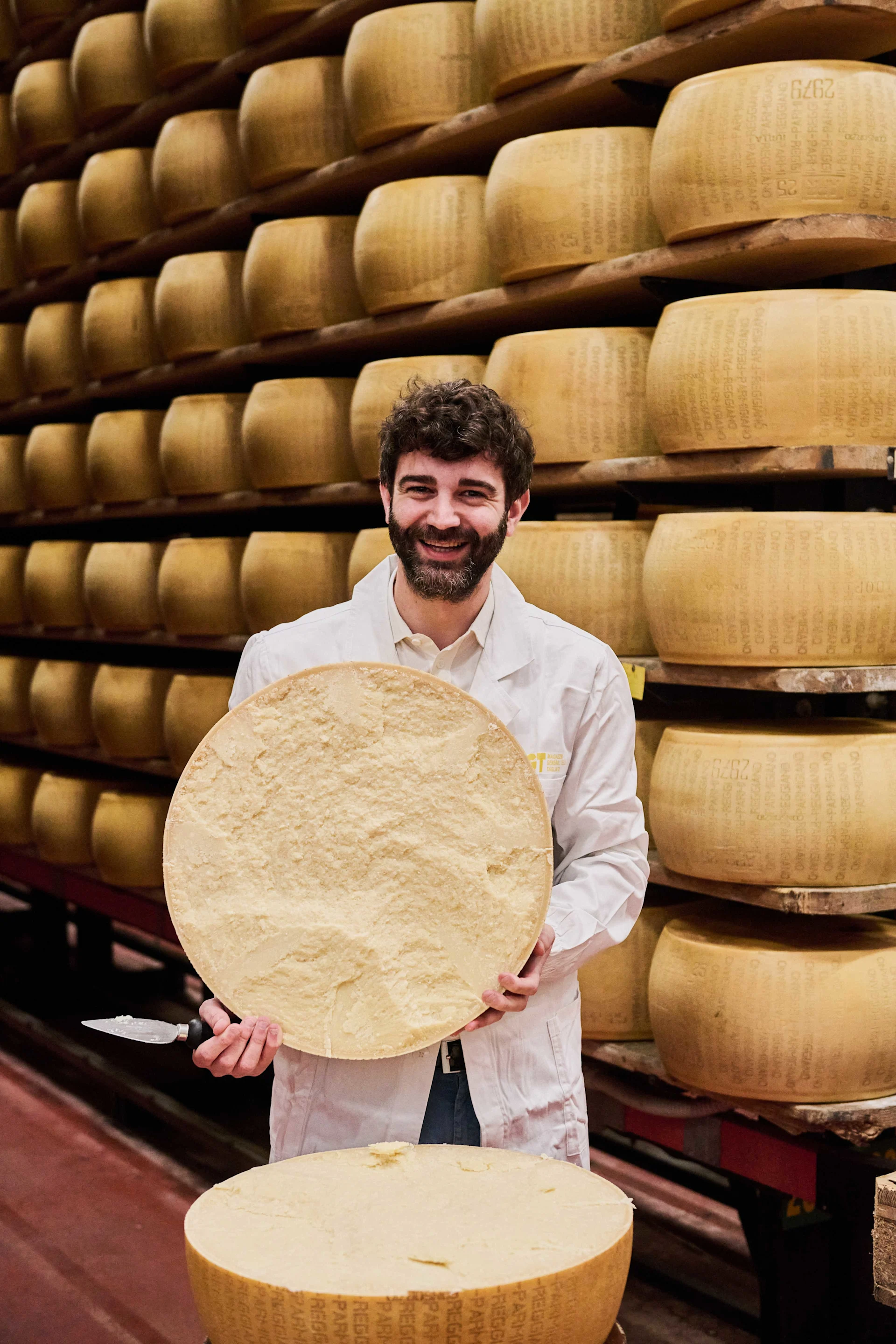
He's in his element. Suddenly, he takes sharp knives out of a wooden box and plunges them into a cheese wheel labelled "Ottobre 23, Parmigiano Reggiano DOP". This means it has been maturing for 29 months and has reached the highest quality level.
Fabrizio shows lots of patience when making his cheese. But now the wait is over. "It's time to try it!" he says and slices the cheese in half with seasoned precision. He then cuts a piece of parmesan out of the centre and takes a bite.
Discover exciting stories about all aspects of Migros, our commitment and the people behind it. We also provide practical advice for everyday life.
Migros Group
The Migros Group is emerging stronger from its transformation. The most important figures for the 2025 financial year.
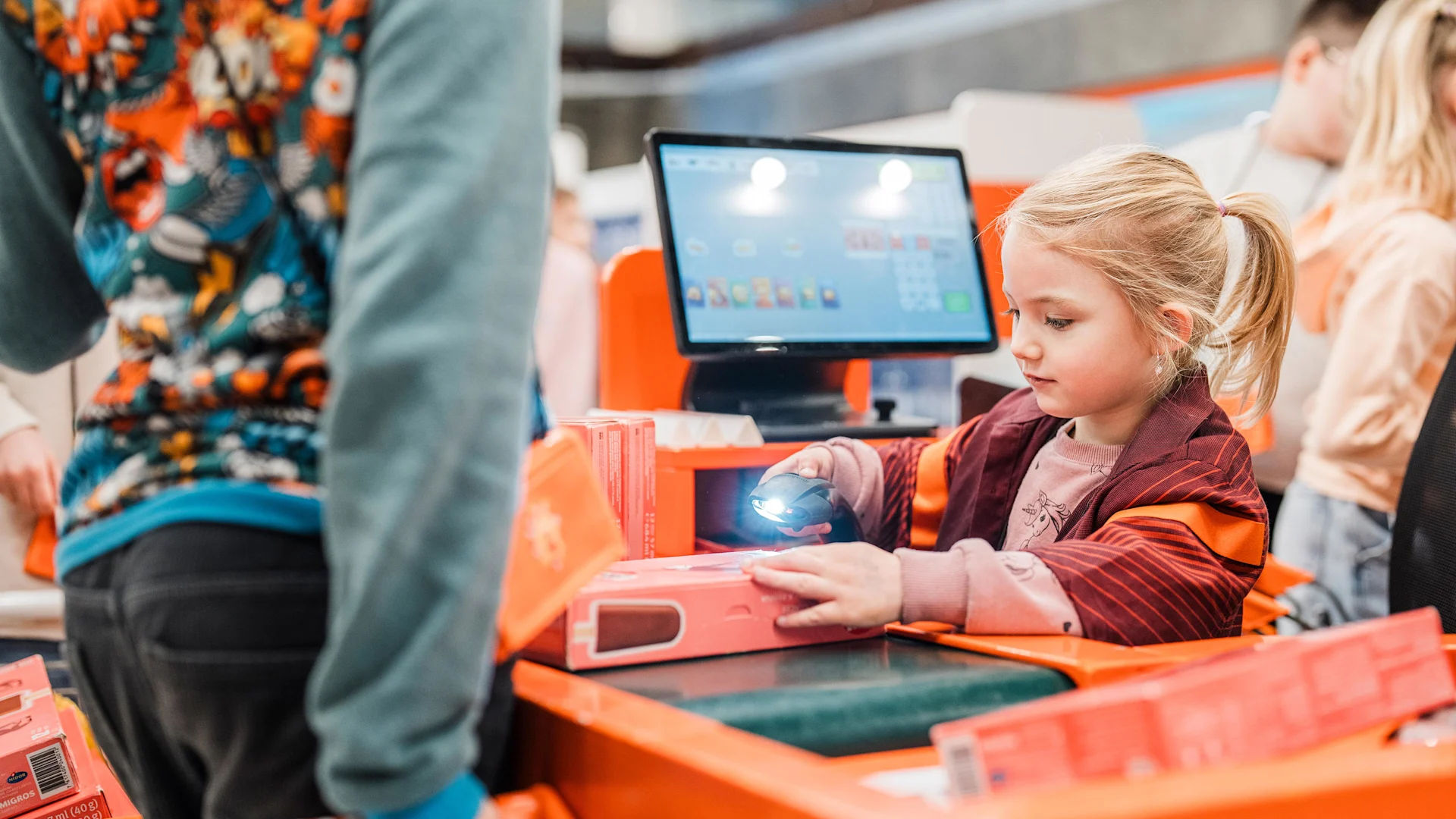
Migros Commitment
At Switzerland’s largest play store, children can work the till, fill shelves and pretend to shop.

Work environment
Two Migros employees talk about the balancing act of being parents, looking after their children and having a career.
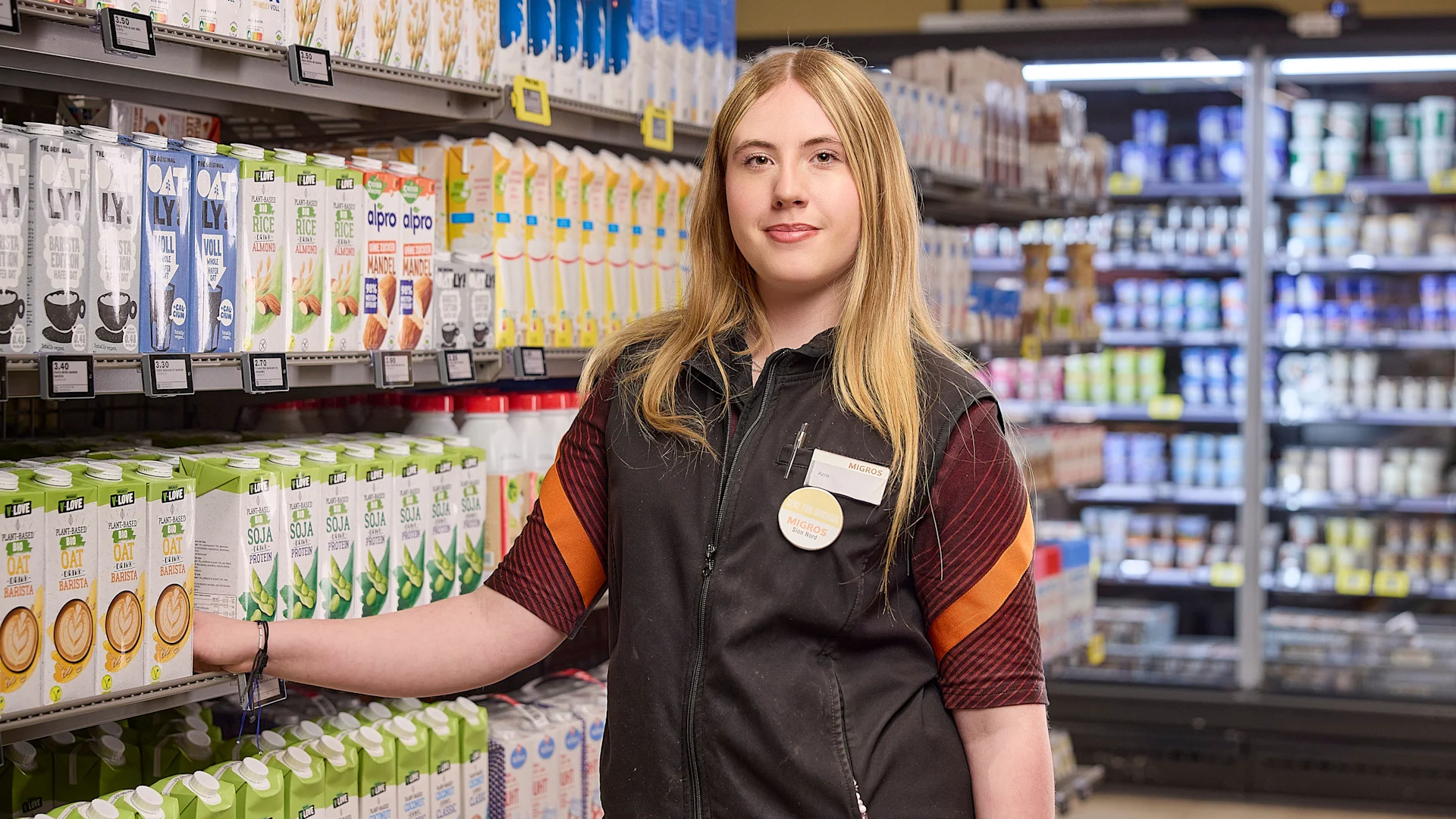
Work environment
Apprentices ran a Migros store in Sion by themselves. We find out what they learned from the experience.
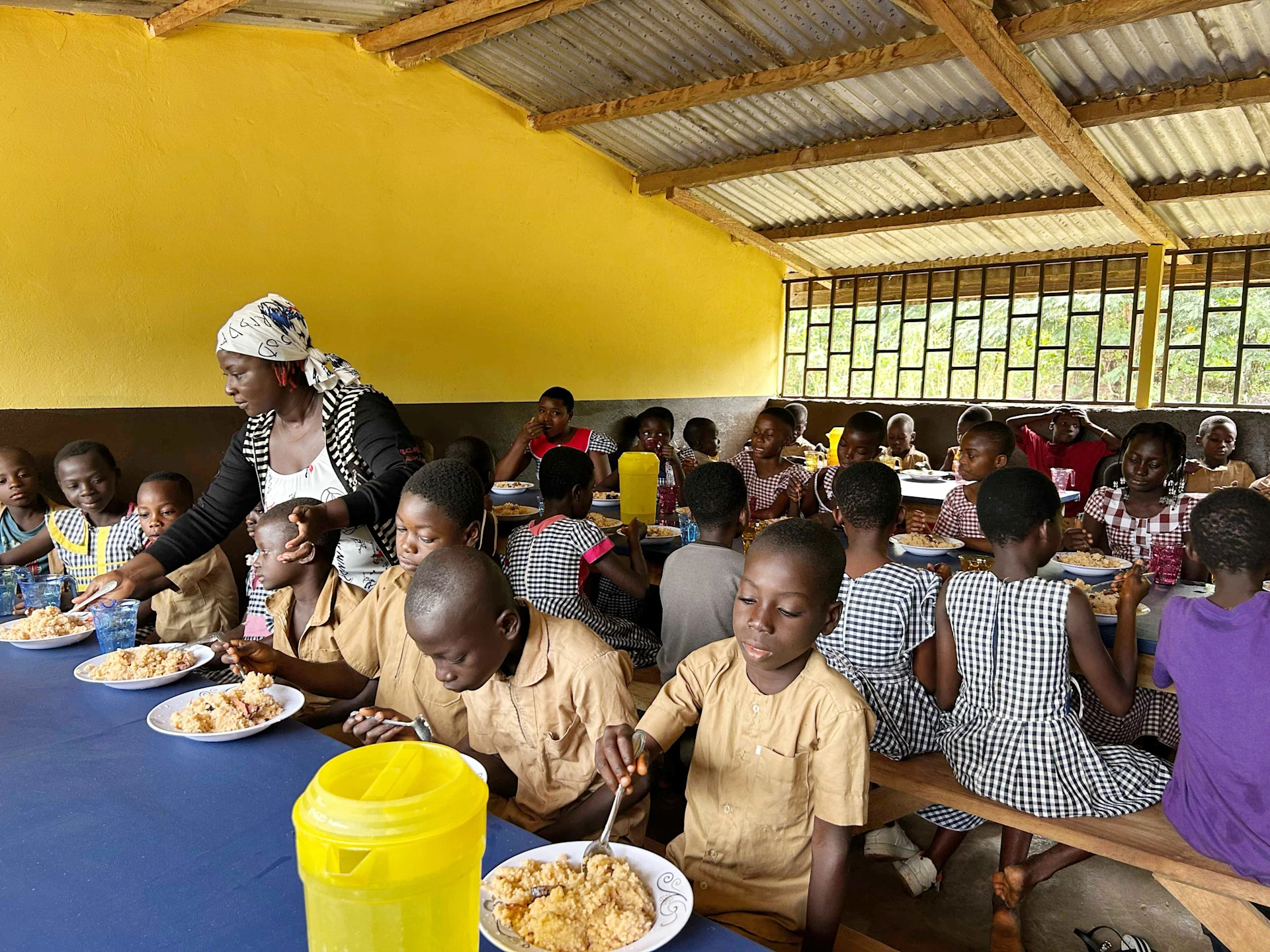
Sustainability
If you buy a bar of "Côte d'Ivoire" chocolate, you will be contributing to a success story in West Africa.
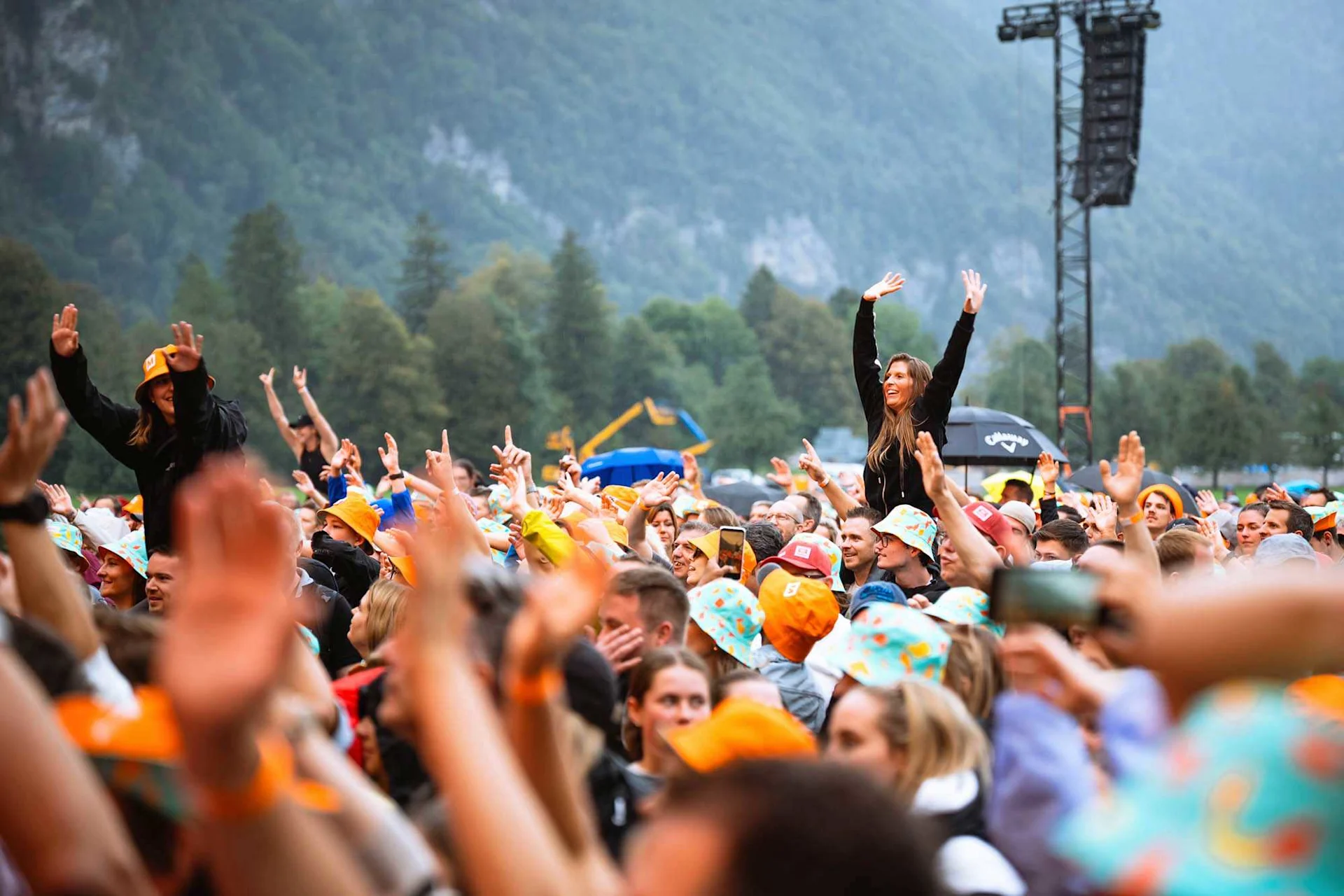
Migros anniversary
The many ways Migros celebrated its 100th birthday. A look back at Migros’ centenary.

Work environment
We visited the huge Digitec Galaxus logistics centre, which is a hive of activity over the Christmas period.
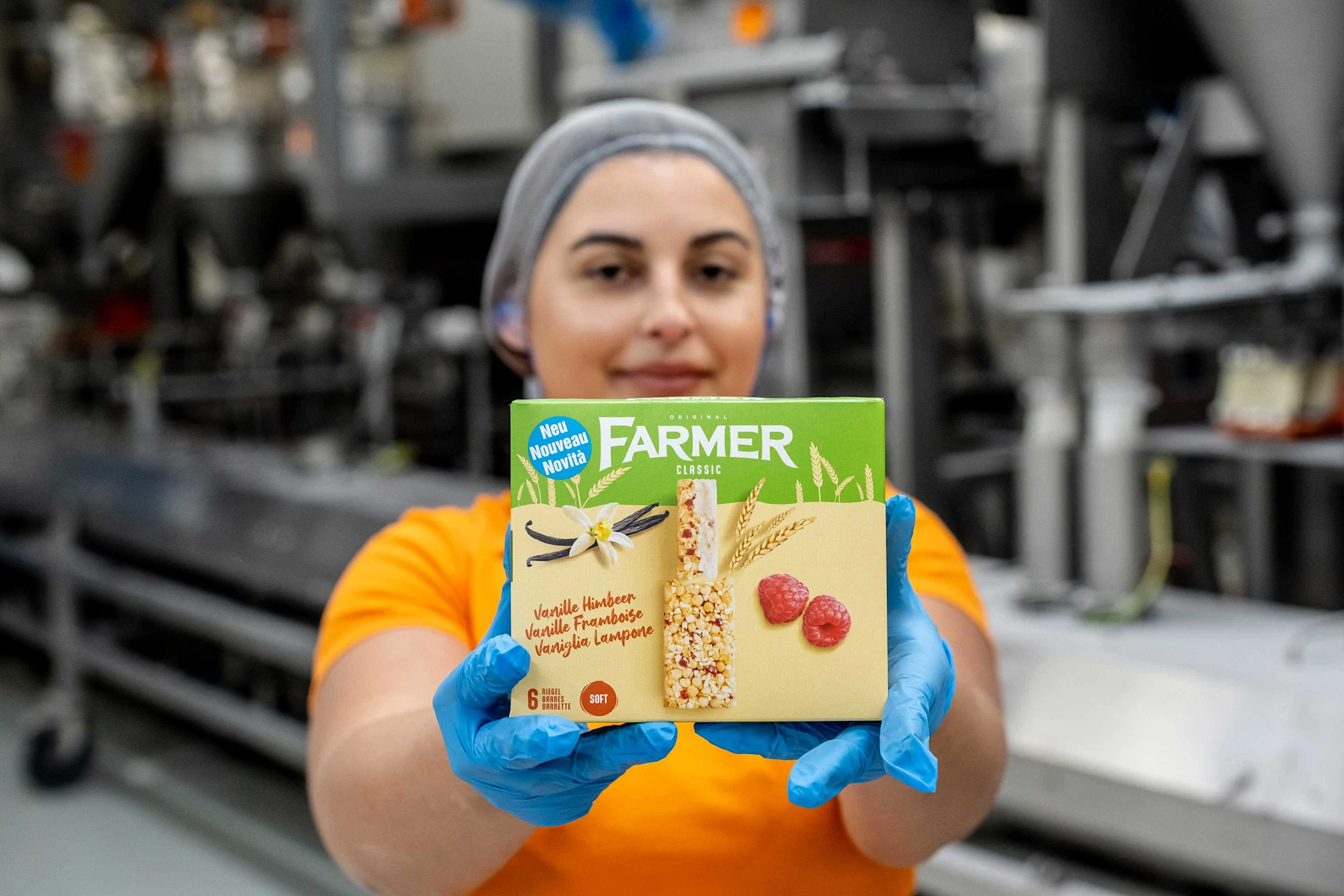
Migros Industrie
The new vanilla and raspberry flavour is now on sale. We visited the factory where the bars are made.
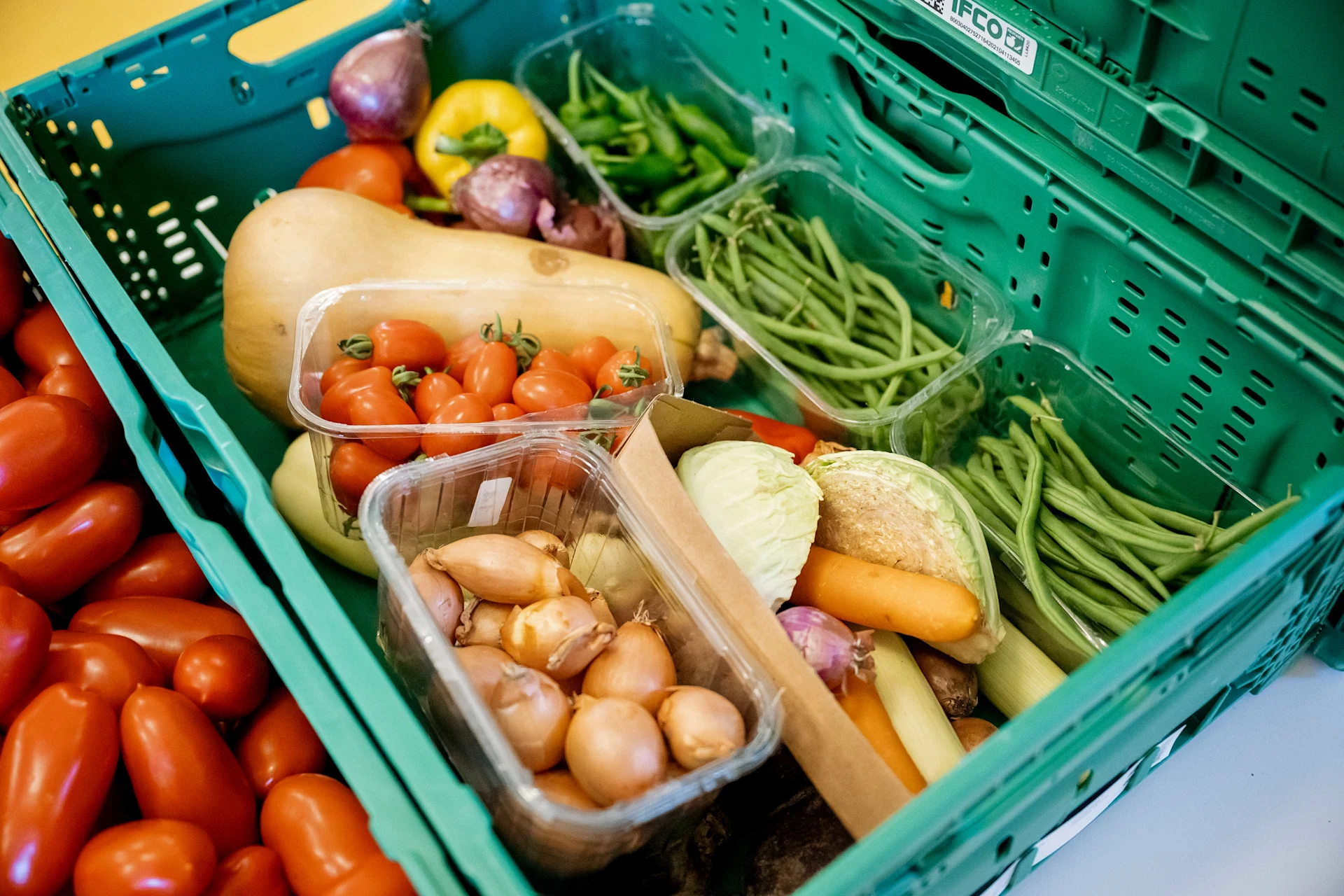
Food waste
A visit to "Tischlein deck dich": members of the FMC Executive Board support the team on site.

Supermarket
Many Migros own brands have received new packaging. Head of Marketing Rémy Müller explains why.
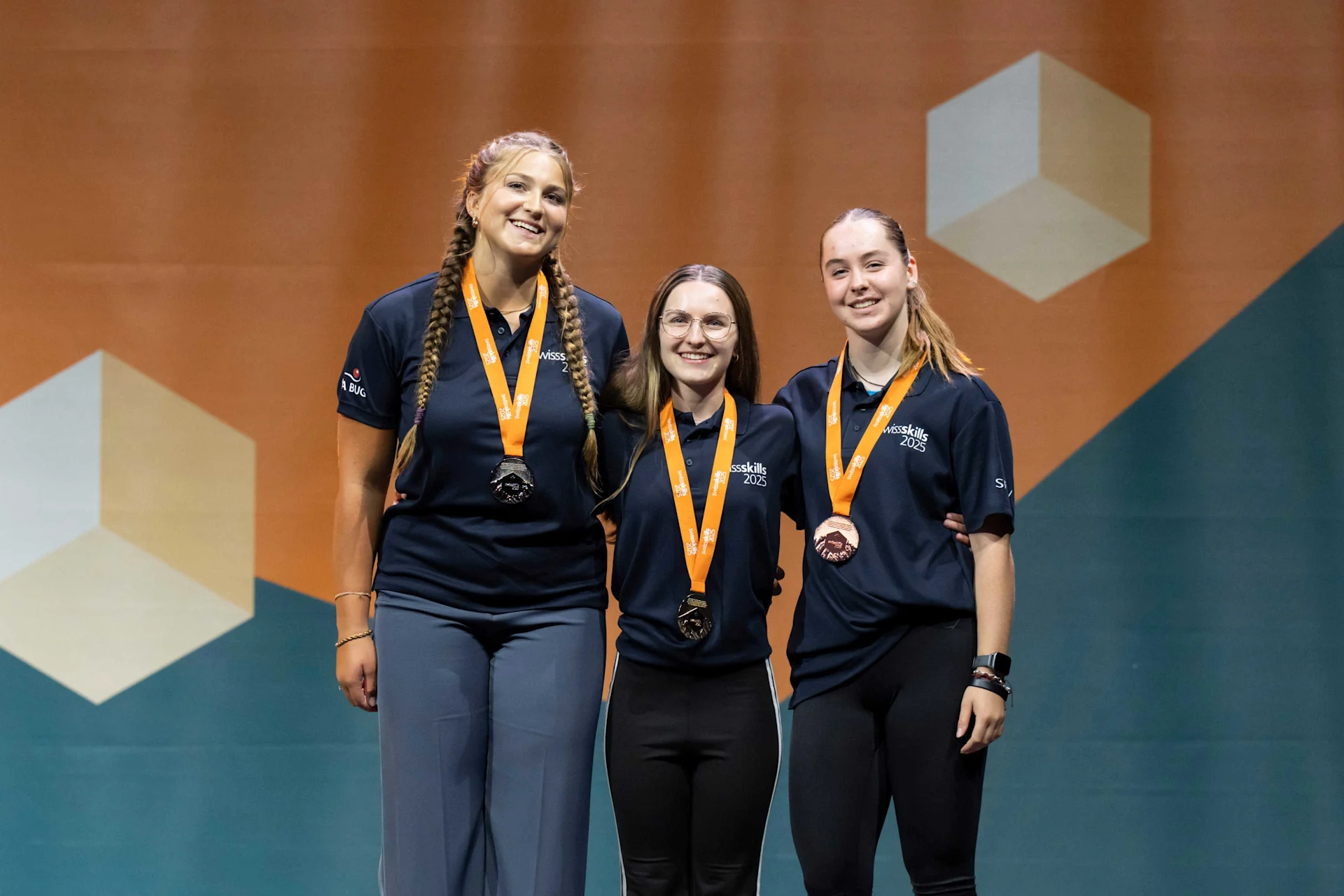
Work environment
Valentina Winkler, an exercise and health promotion specialist won first place at SwissSkills 2025.