
Migros Pioneer Fund
Is this coach as comfortable as a bed?
A Swiss start-up offers you to travel to Barcelona in your sleep while protecting the environment. We tried out
navigation


Migros Pioneer Fund
The Migros Pioneer Fund wishes to know how we will be living tomorrow. Four scenarios and a survey provide initial answers.
Without a doubt, the Swiss population is growing. More than nine million people currently live in our country. According to the Federal Statistical Office’s most plausible scenario, this will rise to 10.4 million by 2050. That’s an increase of more than 40% in just half a century. Because our country’s borders are limited and small households are increasing the most, “we need to find solutions for living together in future without compromising our quality of life,” says Britta Friedrich, Head of the Migros Pioneer Fund. “Only then will people accept the changes.”
The Migros Pioneer Fund has therefore developed four future scenarios that summarise current research trends. A representative survey* conducted by the Gottlieb Duttweiler Institute (GDI) also clarified which of the possible measures for responding to population growth are most widely accepted.
The most important finding is that two-thirds of respondents are generally satisfied with their current living situation. That’s mainly because they have enough space, value their neighbourhood and can stay in their home in the long term. At the same time, three-quarters of survey participants understand that they must rethink their housing situation because of population growth. But what changes would they be prepared to accept?
Based on the insights gained, the Migros Pioneer Fund aims to promote projects that offer solutions for the housing of the future. To this end, it has launched a call for ideas.
The “compact and regenerative” scenario envisages increasing the density of urban centres rather than further urban sprawl. This means that more people will have to live in the same area. Eighty percent of those polled consider increasing population density to be a good or partly good way of tackling the housing shortage.
However, they also believe that such densification should take place in cities and agglomerations, not rural areas. Even city dwellers see it that way. Population density can be increased in a number of ways, for example by adding extra floors to existing buildings or constructing taller new builds. Both measures are accepted by half of respondents. Converting office properties into residential space is viewed favourably by two-thirds of those polled.
Jakub Samochowiec, a GDI researcher and the author of the survey, says that these measures are seen so favourably because respondents would hardly be affected by them. “Their implementation therefore doesn’t appear to pose any major problems.”
The most popular scenario is a “polycentric and networked” approach, which is rated positively by 33% of respondents. This envisages the development of small, interconnected urban centres throughout the country. Residents benefit from living in towns and cities but being close to the countryside at the same time. According to the respondents, large urban centres are becoming less and less attractive. About 60% of city dwellers would like to move somewhere smaller in the next ten years. In addition, some 40% say they would like to move to the countryside.
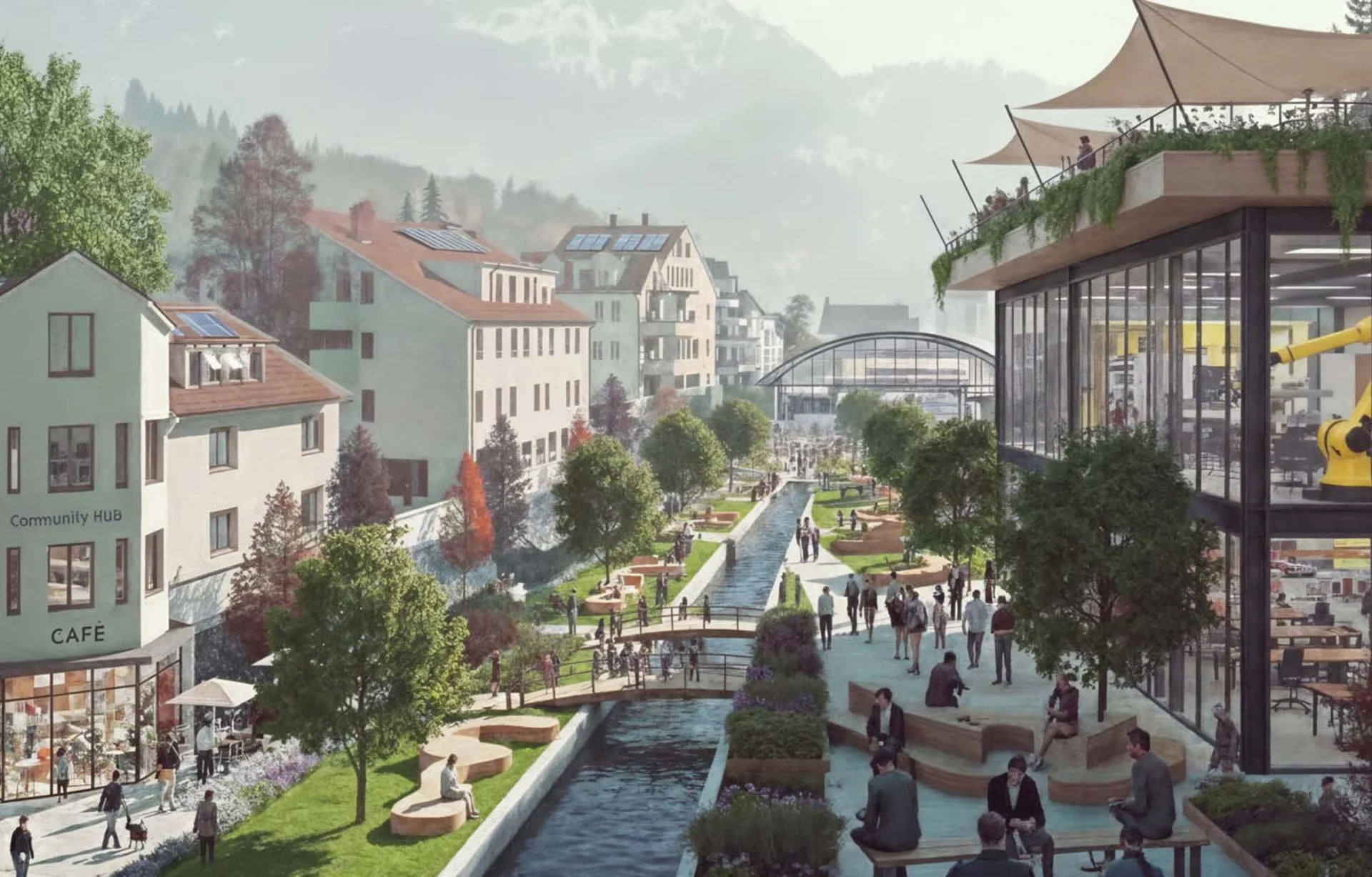
In general, respondents’ satisfaction with their living situation depends more on their proximity to leisure and recreational areas than on good public transport connections or having a short commute. The fact that the “polycentric and networked” scenario envisages the spread of co-working spaces and the promotion of remote working therefore plays only a minor role in their assessment.
The “super city with a green belt” scenario appeals to a quarter of respondents. In this case, demographic developments are concentrated on four large metropolitan areas: Zurich, Basel, Berne and the Lake Geneva region. Green buffer zones between these urban spaces would provide residents with space for leisure activities.
For more than half of those surveyed, it’s important that urbanisation goes hand-in-hand with better green spaces and nature zones. “People are prepared to accept greater density in public spaces if they gain quality of life in return, for example through more greenery, sustainable construction and an upgraded environment,” says Jakub Samochowiec.
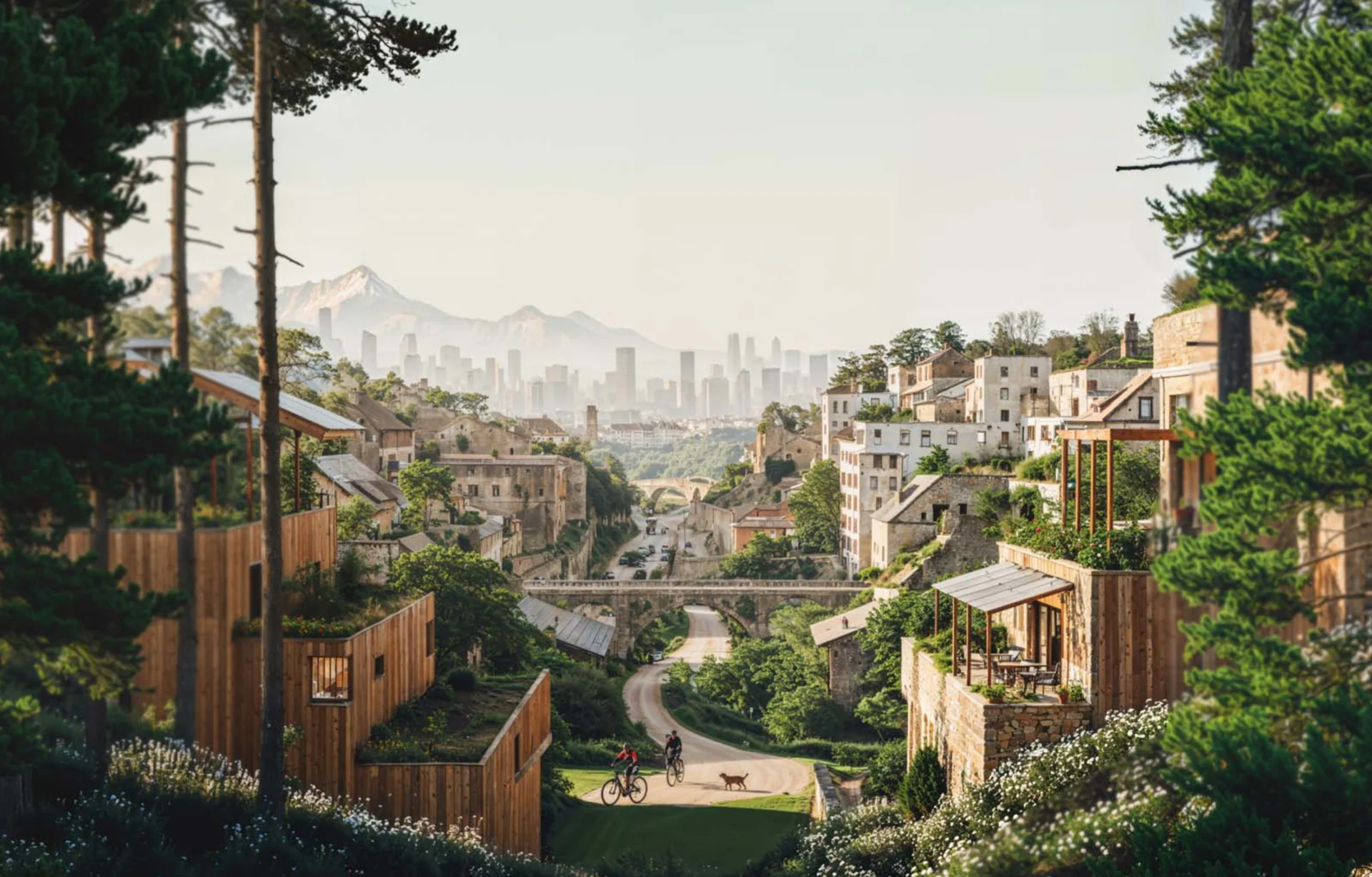
The fourth scenario, dubbed “living space in flux – mobile Switzerland”, imagines a country based on agility. Residents move home frequently and change accommodation according to their current needs. At the same time, digital tools help older people, for example in finding a student who can temporarily live in a home that has become too big for them.
However, this scenario seems a little too futuristic and is the least popular among respondents, who clearly attach great importance to comfort and privacy. Only 15% of those polled would be prepared to reduce the size of their own living space in favour of communal areas. “Even most people under 30 would prefer to live where they are now in ten years’ time,” says Jakub Samochowiec. “Many people in this country don't seem to like moving home.”
* The survey was conducted online among more than 2,000 people from all over Switzerland.
Discover exciting stories about all aspects of Migros, our commitment and the people behind it. We also provide practical advice for everyday life.
Migros Pioneer Fund
A Swiss start-up offers you to travel to Barcelona in your sleep while protecting the environment. We tried out

Sustainability
If you buy a bar of "Côte d'Ivoire" chocolate, you will be contributing to a success story in West Africa.
Sustainability
Migros is committed to fairly grown roses and thus supports social and ecological projects.

Food waste
A visit to "Tischlein deck dich": members of the FMC Executive Board support the team on site.
Sustainability
Generated through the fermentation of liquid manure and other residual waste, can then be used for electricity.
Sustainability
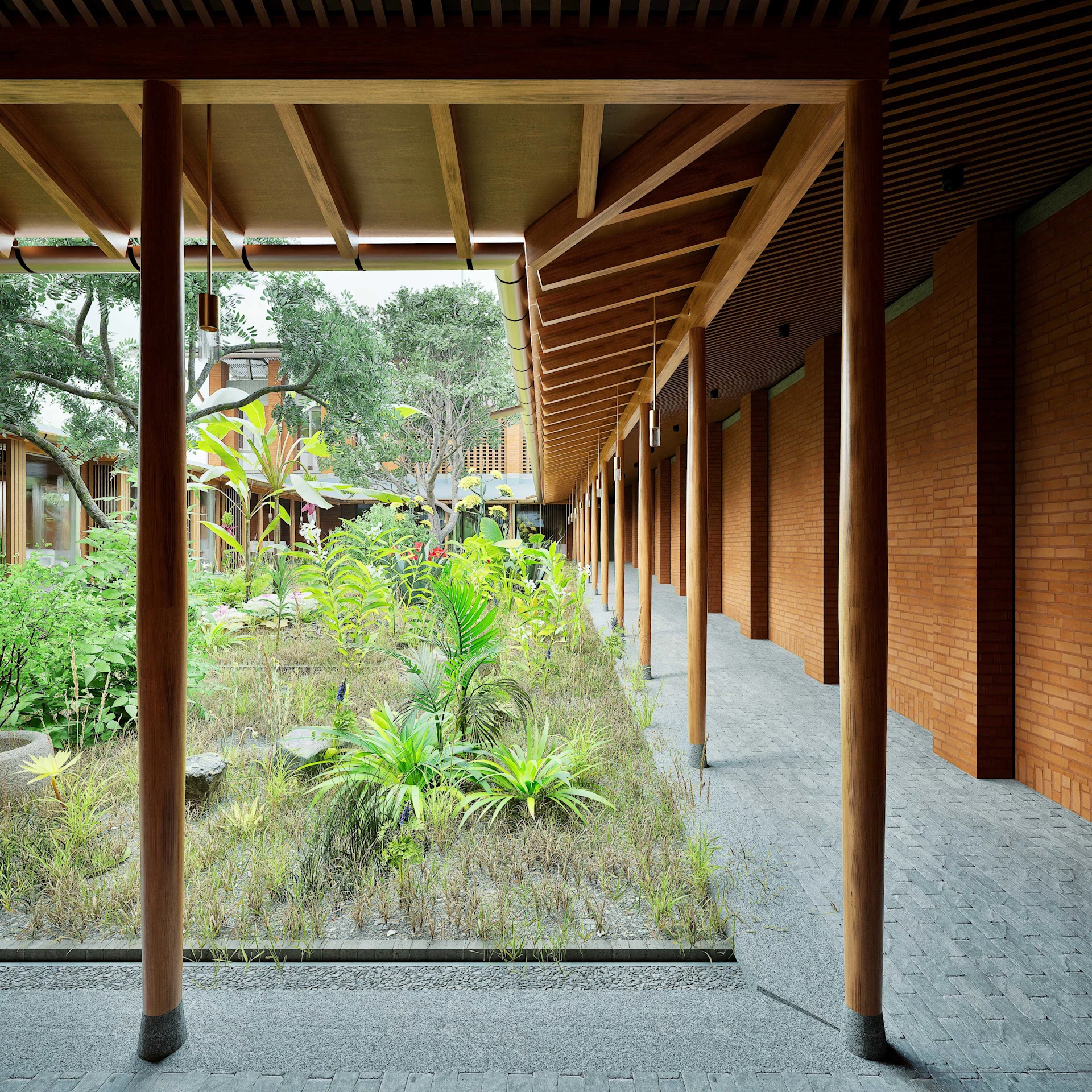
With support from the Migros Pioneer Fund, two companies are showing that eco-friendly construction is feasible.
Migros Museum
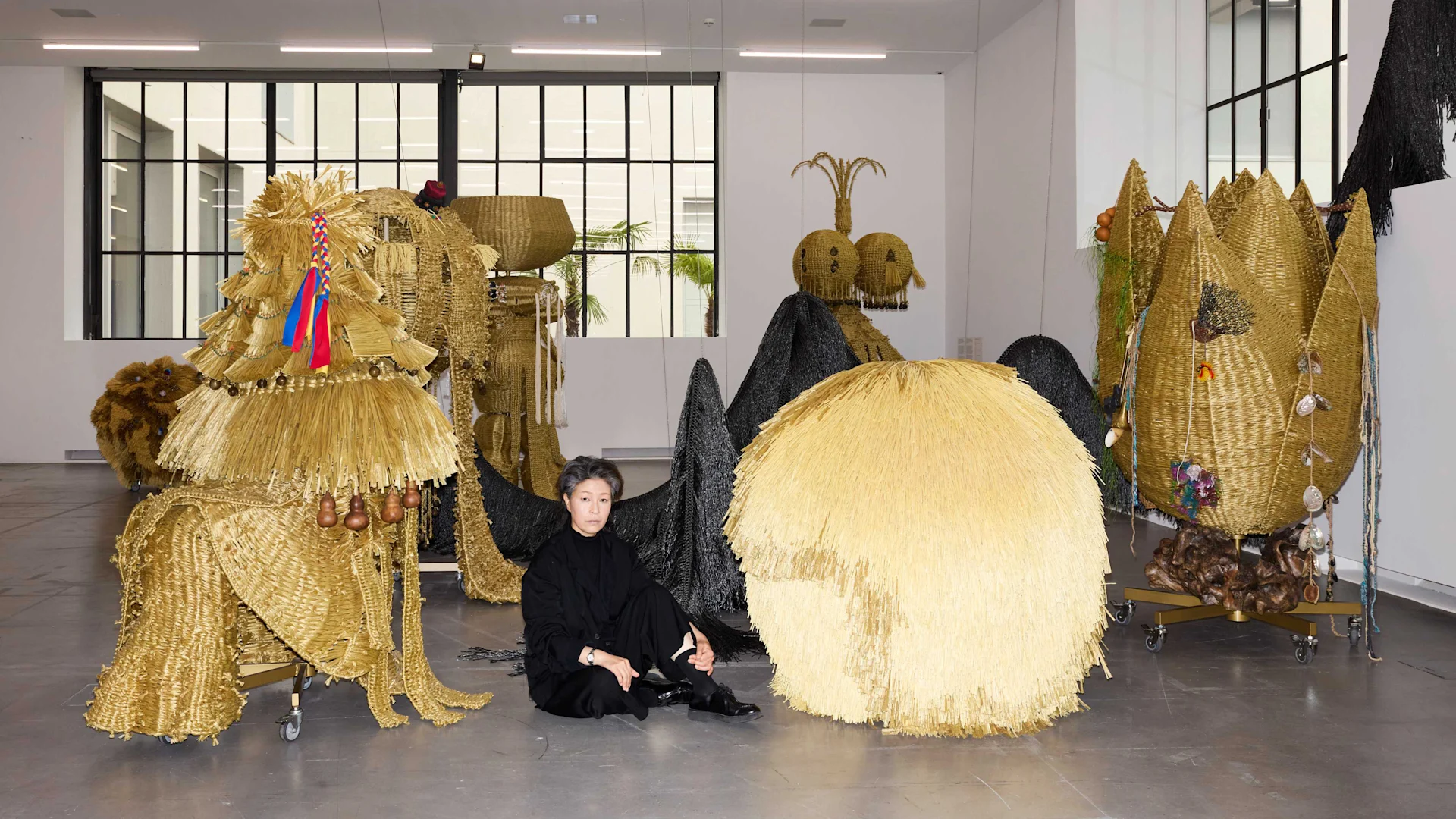
Korean installation artist Haegue Yang is coming to the Migros Museum in Zurich with a solo exhibition.

Migros Commitment
Marco and Elisabeth talk about what life is like with barely enough money for the essentials.
Work environment
Unconscious bias can turn into prejudice. Migros is therefore committed to promoting equal opportunities.
Culture Percentage
Nicole Haas works as a reporter despite her disability – and all thanks to a project funded by Migros.
Migros Pioneer Fund
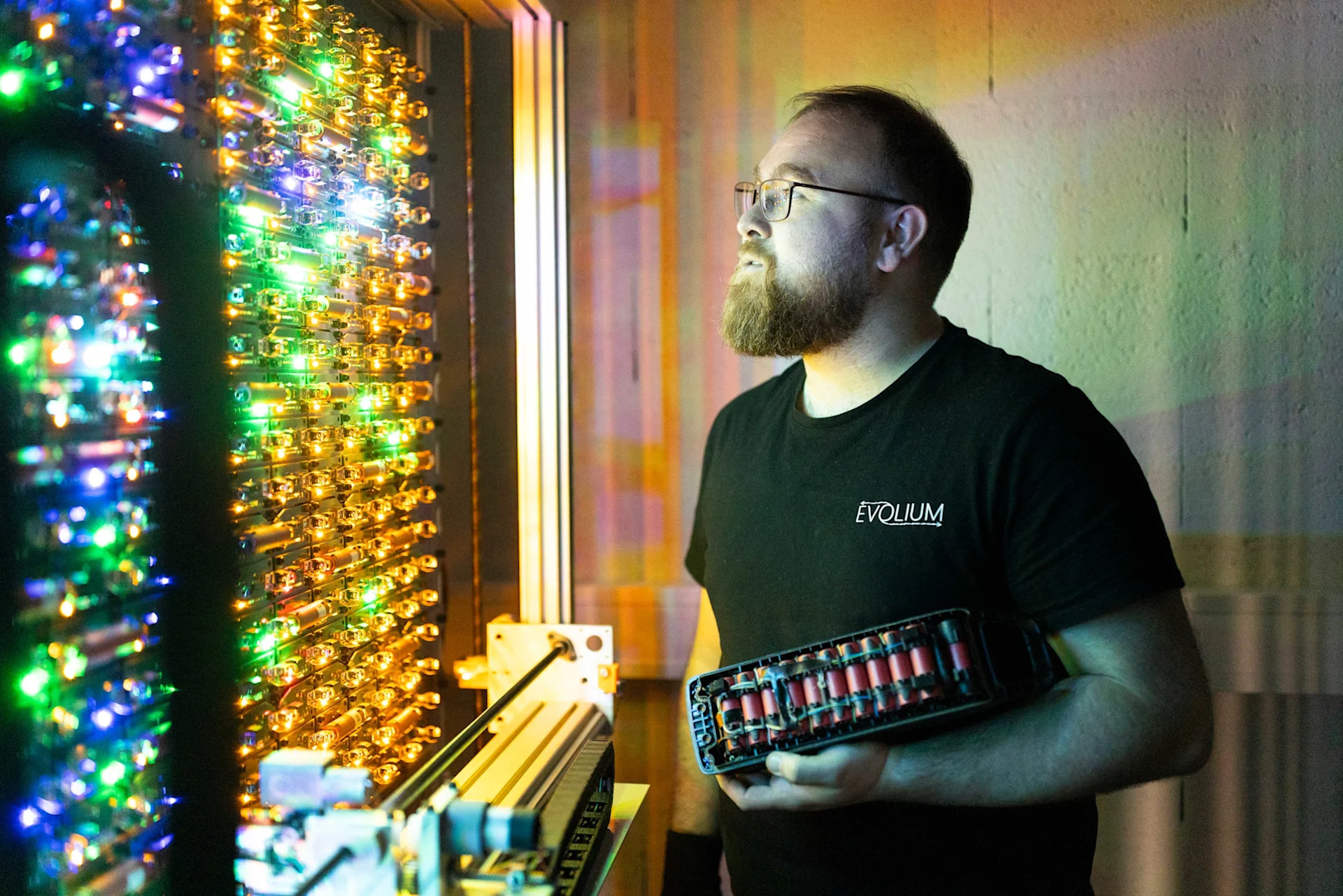
With the support of the Migros Pioneer Fund, Evolium Technologies is extending the life of lithium batteries.