
Ticket festival 4–11.5.2026
20 to 25% off festival tickets
As a presenting partner of many festivals in Switzerland, Migros offers you an unforgettable summer of festivals.
navigation


Food waste
Migros donates food that it can no longer sell to charitable organisations. We visited a "Tischlein deck dich" food bank.
It's 8.30am on Monday morning. Ten empty tables are arranged in a U shape in a room on the top floor of the Zurich-Oerlikon community centre. Five volunteers stand ready, just like every Monday, when the "Tischlein deck dich" organisation distributes food. The food is close to or past its best-before date and can therefore no longer be sold. But it is still of perfect quality. Migros also donates such food. Last year, Migros donated more than 2000 tonnes of goods to "Tischlein deck dich" and "Schweizer Tafel".
A short while later, the Executive Board of the Federation of Migros Cooperatives arrives to help out the centre's team. "Migros has an obligation to look after people with limited financial resources," says FMC President Mario Irminger. He's pleased that "Tischlein deck dich" and other organisations help to distribute food in order to prevent it being thrown away. However, this only works because many people offer their services there voluntarily. The Migros boss and his colleagues from the Executive Board therefore spontaneously decided to lend a hand for a morning.

A "Tischlein deck dich" delivery van pulls up in front of the entrance. In addition to goods from Migros, it also contains bread and pastries from nearby bakeries as well as food from other retailers. In no time at all, the team brings the food up to the first floor, where the products begin to pile up on the tables.
The area for fresh fruit and vegetables is the most abundant. There's also plenty of bread and yoghurt. By contrast, the selection of drinks, pasta and flour packets is rather more sparse. Alex Stähli, the managing director of the "Tischlein deck dich" non-profit organisation, says that finding the right balance can sometimes be a challenge. But he emphasises: "We save food. It's not our job to ensure that poor people have basic services."
Migros has an obligation to look after people with limited financial resources.
The donation-funded organisation works hand-in-hand with specialist social services, that issue customer food-bank cards to low-income people. The card enables them to buy food once a week for the token price of CHF 1.
10am: the doors open. The first customer comes in; a young woman with her daughter. An exact time slot is allocated by drawing lots the week before. The woman moves from table to table. The volunteers hand out the food. Mario Irminger is standing next to the fruit. He hands out a set number of apples or mandarins depending on the size of the family as indicated on the customer card.

Everything runs calmly and in an organised manner. Team leader Patricia Keller coordinates the staggered entry of customers, stopping now and again to chat with them. She has been working there every week since 2019. One customer tells her that she will have a doctor's appointment following Monday morning. Keller offers to pack a bag for her and leave it downstairs in the community centre.
About 60 people visit the food bank. An hour later, once everyone has finished, there is a second round. Anyone who wants to can come again and choose some of the remaining food. There are still some drinks, bread, potatoes and bananas. After the second round, almost everything is gone. Keller puts what is left outside into a Madame Frigo fridge. This is public and can also be filled by private individuals. Everyone can help themselves to this for free. Keller knows that some people literally wait until "Tischlein deck dich" puts the remaining food in the fridge.
Meanwhile, the last customer leaves the community centre with a shopping trolley filled to the brim and a smile on his face.
Ticket festival 4–11.5.2026
As a presenting partner of many festivals in Switzerland, Migros offers you an unforgettable summer of festivals.
Supermarket
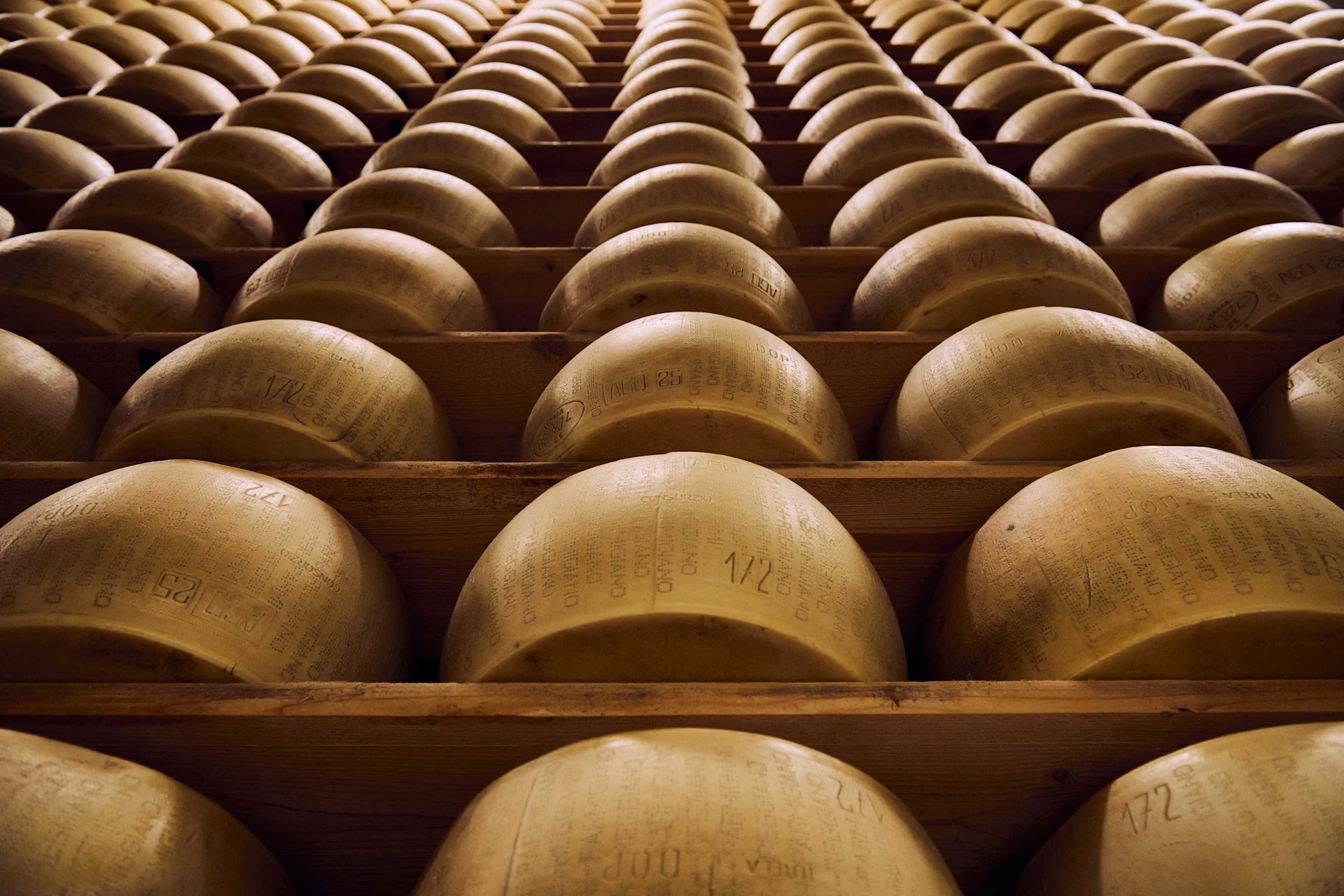
We visit the Italian cheese dairy that makes Parmigiano Reggiano for Migros.

Sustainability
Most of the vegetables found in the frozen food aisle are grown in the St. Gallen Rhine Valley. A visit.

Migros Group
The Migros Group is emerging stronger from its transformation. The most important figures for the 2025 financial year.

Migros Pioneer Fund
A Swiss start-up offers you to travel to Barcelona in your sleep while protecting the environment. We tried out

Food waste
Any meat products that remain unsold shortly before their use-by date are frozen and then sold at half price.
Migros Commitment
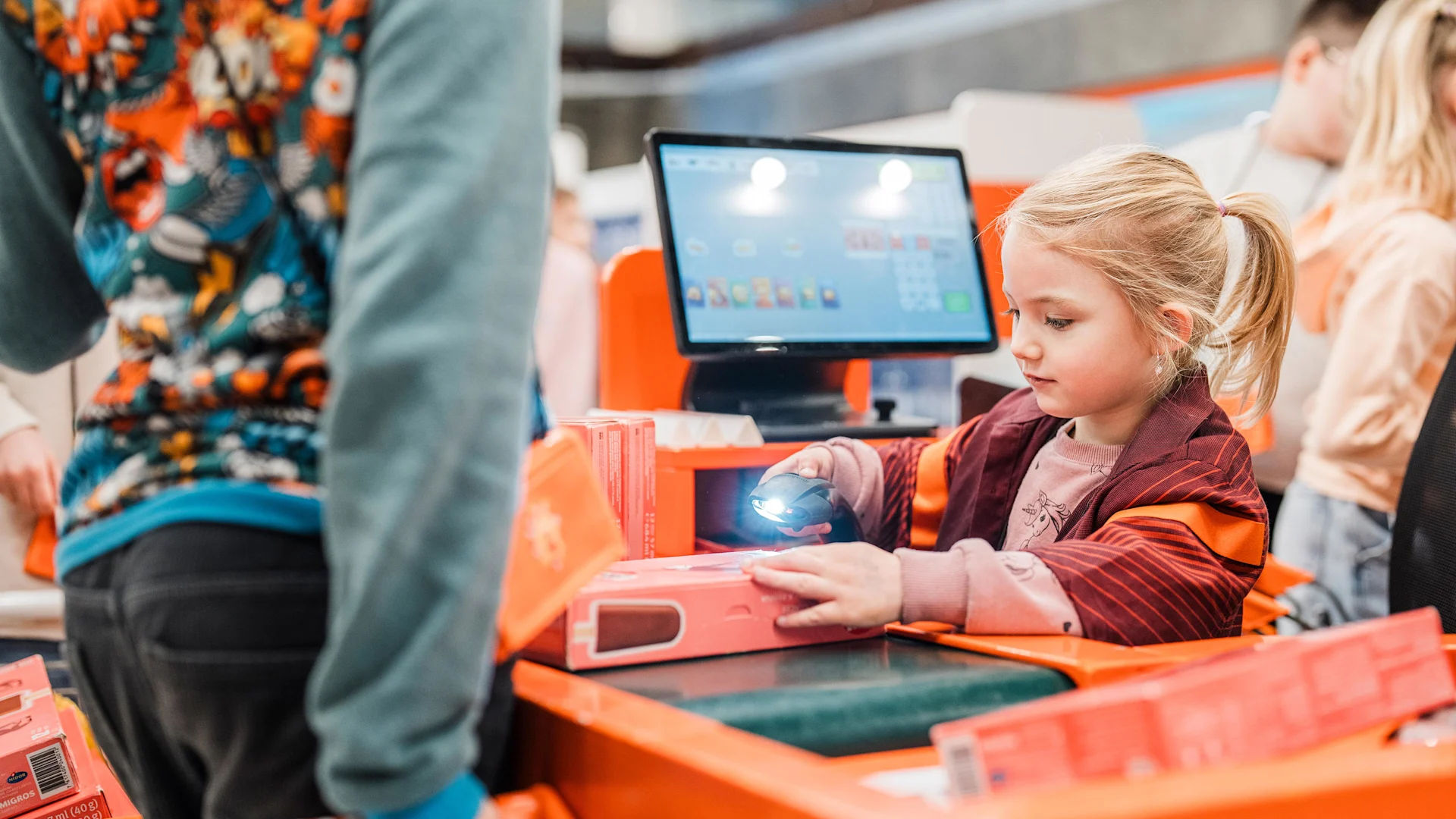
At Switzerland’s largest play store, children can work the till, fill shelves and pretend to shop.

Work environment
Two Migros employees talk about the balancing act of being parents, looking after their children and having a career.
Work environment
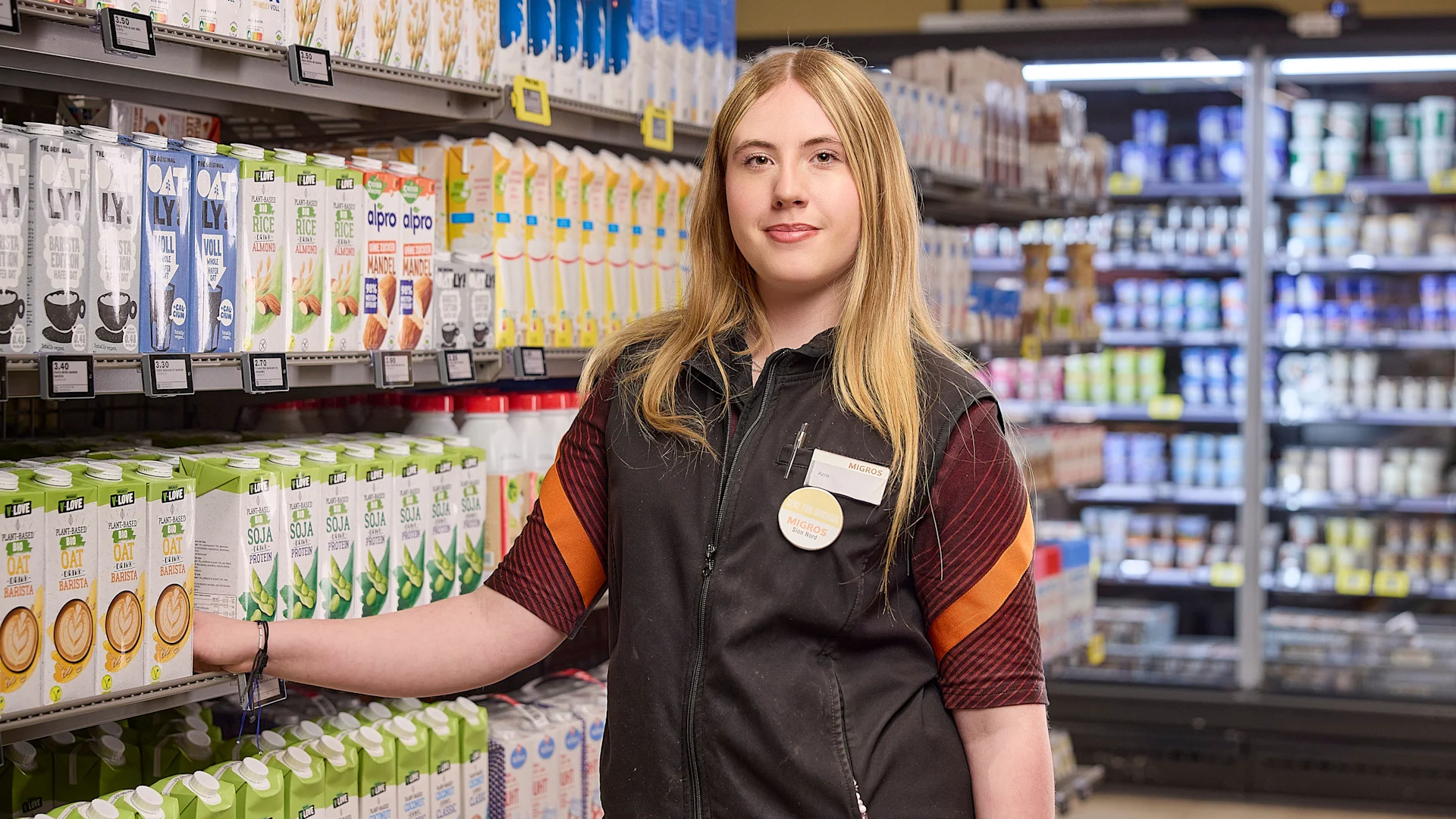
Apprentices ran a Migros store in Sion by themselves. We find out what they learned from the experience.
Sustainability
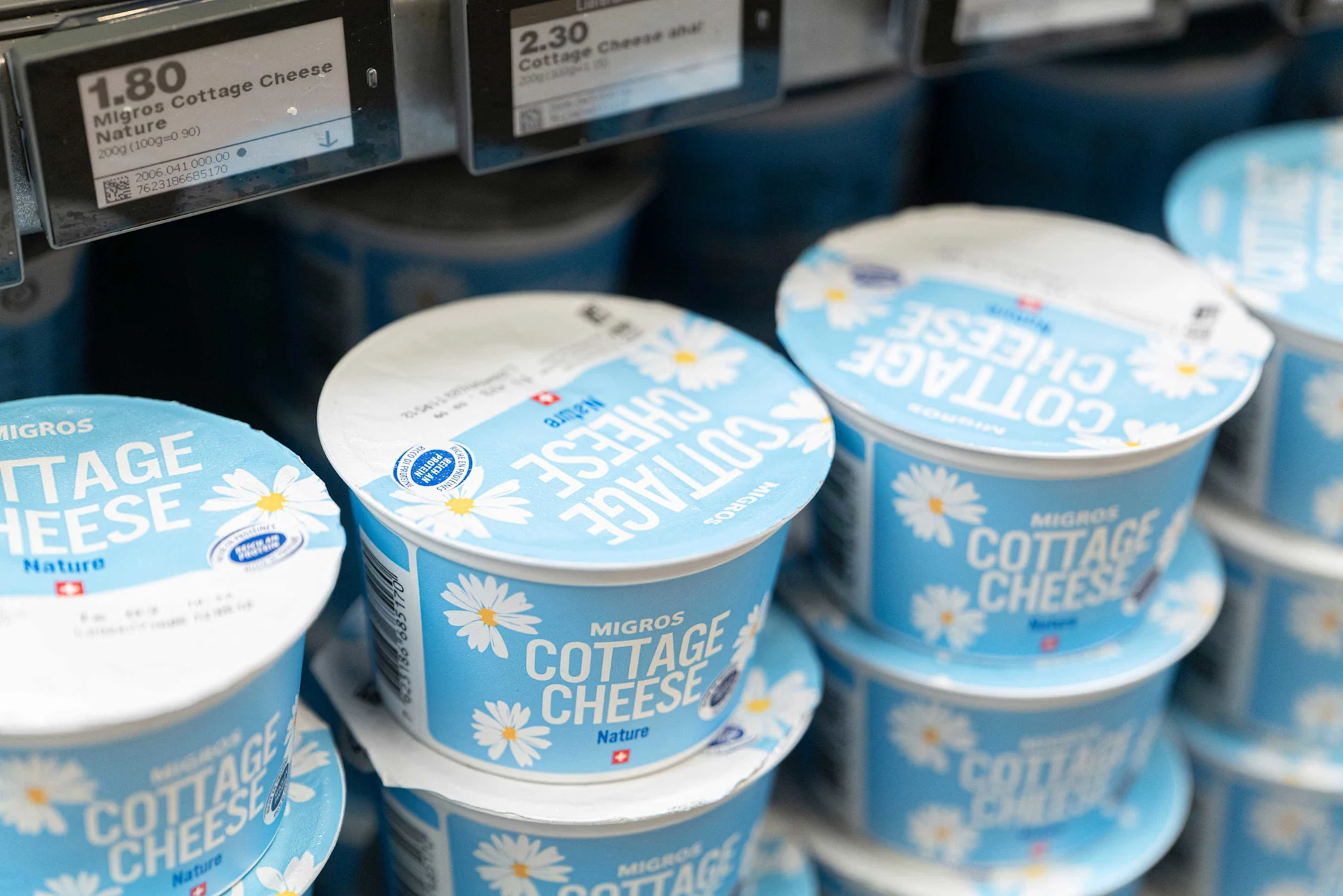
Migros is doing all it can to make packaging more sustainable and eco-friendly.
Sustainability
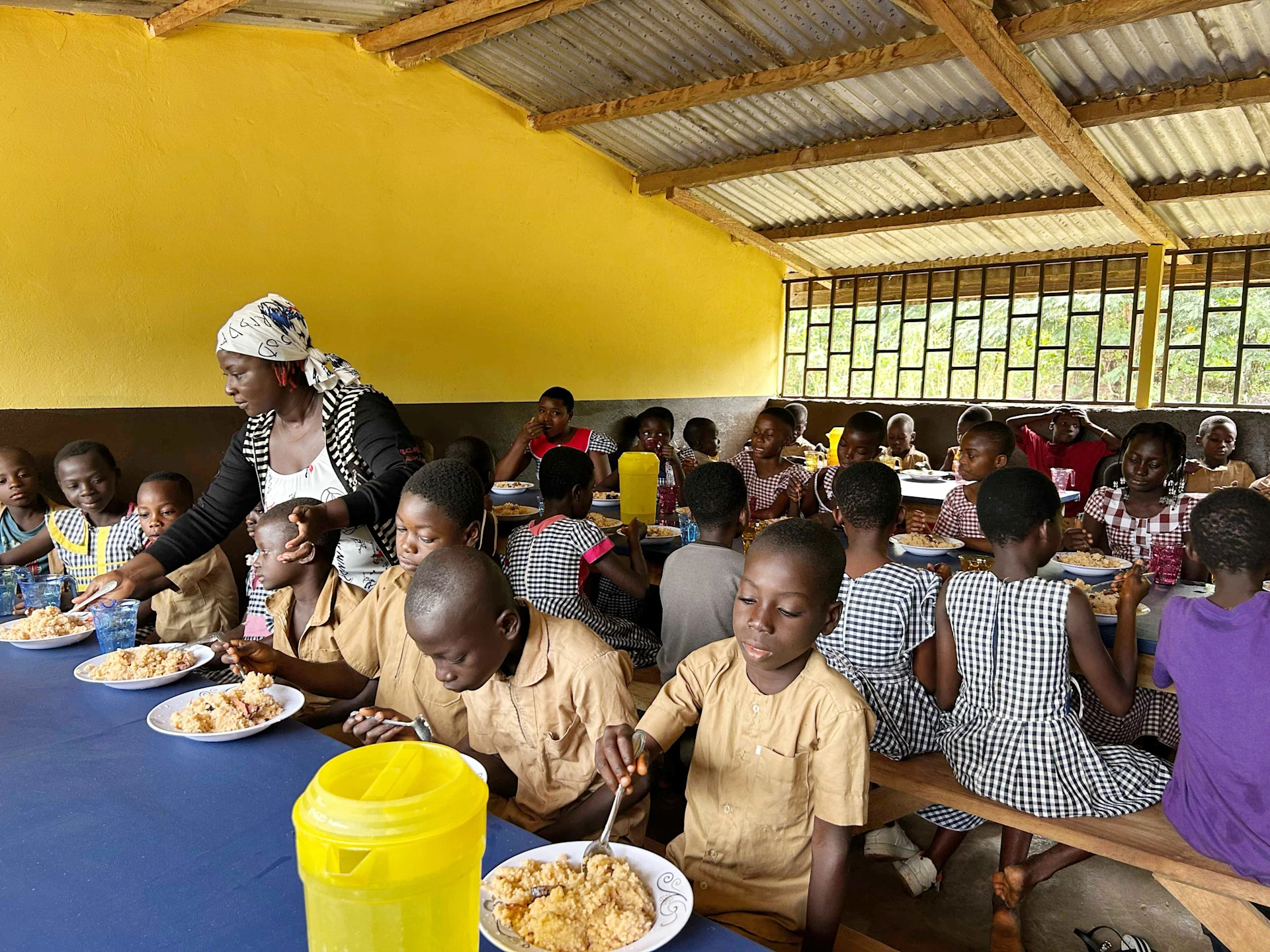
If you buy a bar of "Côte d'Ivoire" chocolate, you will be contributing to a success story in West Africa.
Sustainability
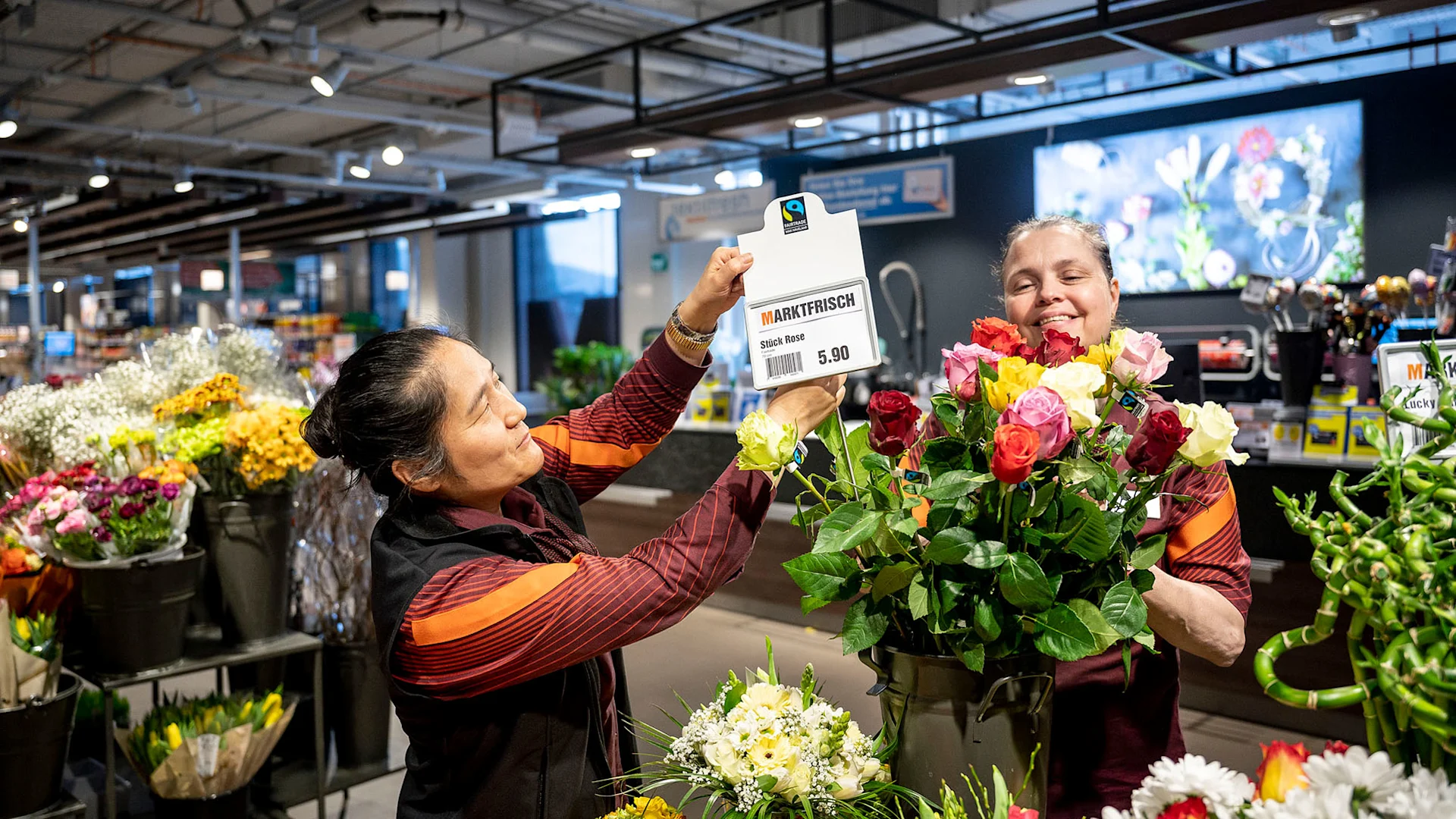
Migros is committed to fairly grown roses and thus supports social and ecological projects.