
Sustainability
How Beni makes broccoli better
Most of the vegetables found in the frozen food aisle are grown in the St. Gallen Rhine Valley. A visit.
navigation


Sustainability
More environmentally friendly, lighter and easier to recycle - Migros is doing all it can to make packaging more sustainable. We interviewed an expert and provide four examples which show that small changes can make a big difference.
Using less plastic and focussing on standardised, reusable and transparent materials enables Migros packaging to be recycled and makes it more eco-friendly. Four current examples of this approach:
The trays used for minced meat packaging are now made of standardised plastic (polypropylene) that can easily be recycled if disposed of in a plastic collection bag. Because the packaging is transparent, higher quality material can be produced through recycling. Given that the new packaging is recycled rather than incinerated, it also creates fewer greenhouse gas emissions.
The new 200g pots of cottage cheese no longer have a lid. This may not please everyone, but it saves a lot of plastic! It enables the Migros dairy Elsa to use 120 tonnes less plastic per year. If not all the cottage cheese is consumed at once, the pot can be sealed with a handy reusable lid.
The weight of PET drinks bottles has been cut by about a fifth in recent years. This includes those used for organic orange juice. Today, an empty litre bottle still weighs 27.5g. The proportion of recycled PET (rPET) in our bottles is increasing steadily too. Our organic orange juice bottles are made of 50% rPET.
Our coffee beans are now packed in bags made of a single material. The additional thin layer of aluminium on the inside of bags has been dispensed with altogether. As a result, the packaging can now be recycled completely. Even without the aluminium layer, the coffee retains its wonderful smell.

Roberto Polizzi, what goals has Migros set itself in terms of packaging?
Our aim is to make all plastic packaging recyclable by 2030. We're also cutting our greenhouse gas emissions by 10% compared to 2019 levels by optimising our packaging. Migros Industrie has been working to improve the packaging of own-brand products for years.
Can you give us a specific example?
Delica, our chocolate and coffee production company, has changed the packaging for Café Royal, Barista and Migros organic coffee. This packaging now consists of a single material, known as mono-material film. The bag can therefore be recycled completely. The new packaging also looks exactly like its predecessor. You only notice the difference when you open the packaging: the inner surface of the new packaging is white because we've got rid of the aluminium layer that was in the old version.
The new coffee bean bags can no longer be opened by hand. Why was this changed?
For technical reasons. The way the film is made, it's no longer possible. The easiest way for customers to open these bags is to cut them directly under the sealed seam using scissors. Recycling sometimes means less ease of use. However, we're working to ensure that future innovations will make our packaging handier.
Many people are annoyed that the lids of PET bottles are now attached to the neck of the bottle. Isn't that a bit impractical?
Perhaps, but it's an EU requirement. Studies indicate that bottle tops are the most common form of plastic litter. This means that they aren't being recycled and thus also cause pollution. Tethered caps, as they are known, are not just a requirement, but also an innovation designed to cut plastic pollution and improve recycling.
In the past, coloured packaging trays were used to indicate the contents of meat products, with yellow for poultry and black for beef. Now all packaging is transparent. Why is that?
Transparent packaging made from just one type of plastic is easy to recycle. It also enables high-quality recyclate to be produced. By contrast, coloured trays produce grey recycling material that's harder to reuse. The old trays also consisted of several layers of plastic, making recycling more difficult. Since June 2025, we've been selling minced meat in trays made from just one material: polypropylene. We also plan to expand the use of this technology to other products in our range. Customers also benefit from the change: the new rounded design and simpler opening make trays more convenient.
Why can't we just get rid of plastic altogether?
Meat and sausage products packed in plastic can be stored for up to 12 days. That's 4-6 times longer than unpackaged meat. It's worth noting that packaging only accounts for about 2% of the overall environmental impact of meat products. The same applies to other products too. Protecting the product therefore remains the primary purpose of packaging.
In what direction is the trend in packaging heading?
In general, towards using as little packaging as possible and only as much as necessary. The design is becoming simpler, with fewer colour variations. That also improves recyclability. The more plastic our customers collect, the more material can be recycled and reused. We must also prepare for further regulatory and legal requirements like those on PET bottle caps, for example.
Discover exciting stories about all aspects of Migros, our commitment and the people behind it. We also provide practical advice for everyday life.
Sustainability
Most of the vegetables found in the frozen food aisle are grown in the St. Gallen Rhine Valley. A visit.

Food waste
Any meat products that remain unsold shortly before their use-by date are frozen and then sold at half price.
Sustainability
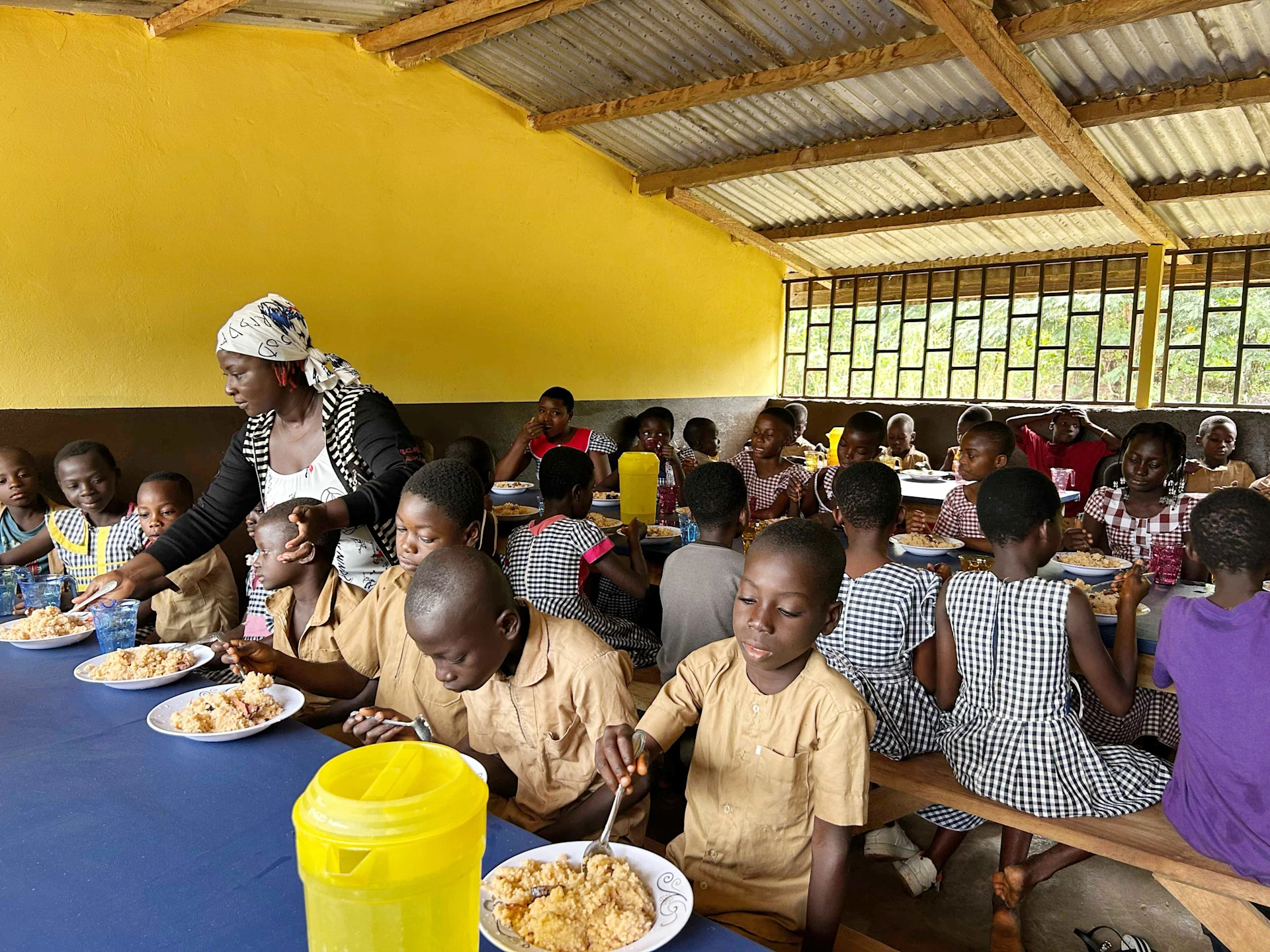
If you buy a bar of "Côte d'Ivoire" chocolate, you will be contributing to a success story in West Africa.
Sustainability
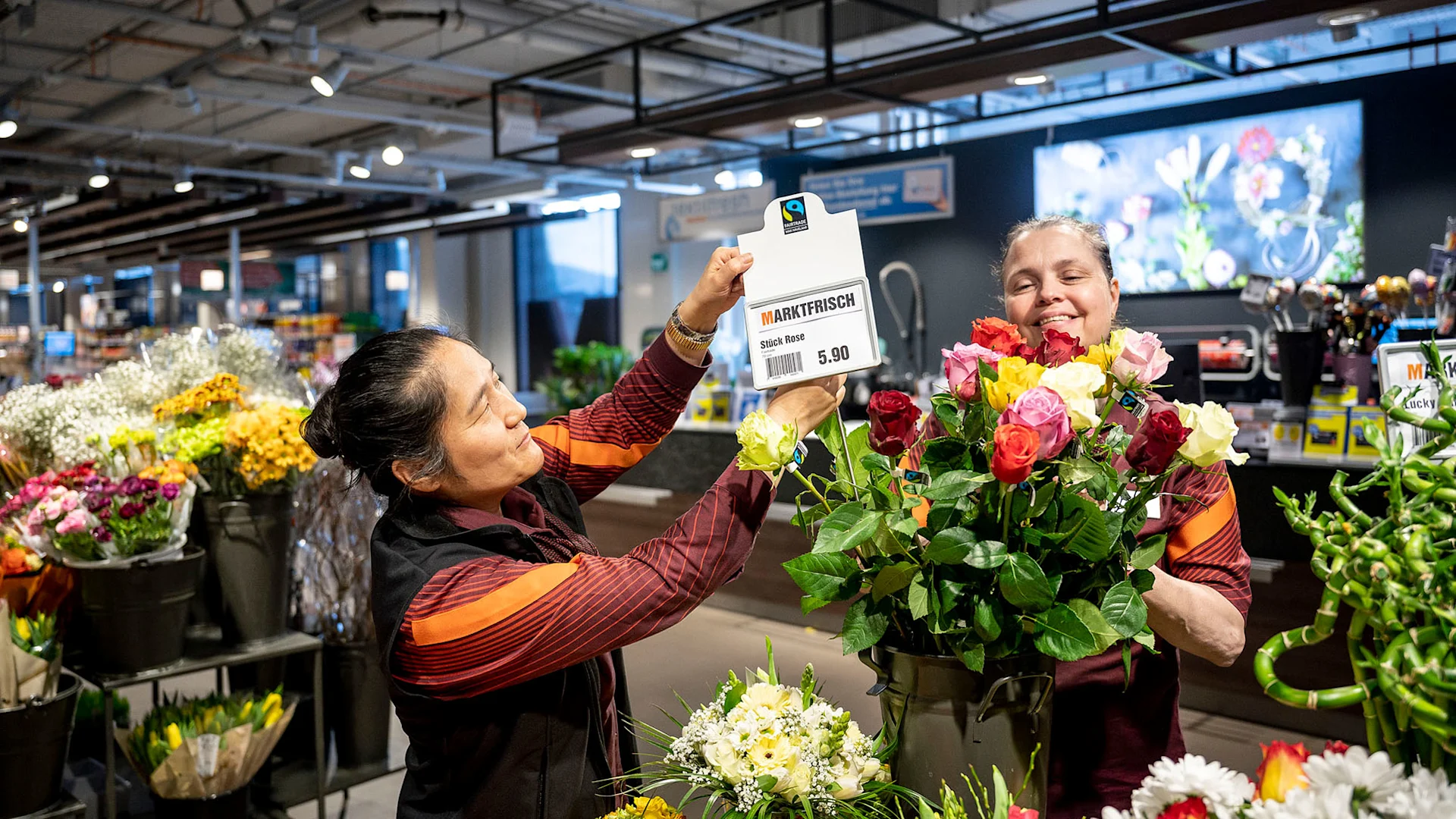
Migros is committed to fairly grown roses and thus supports social and ecological projects.
Food waste
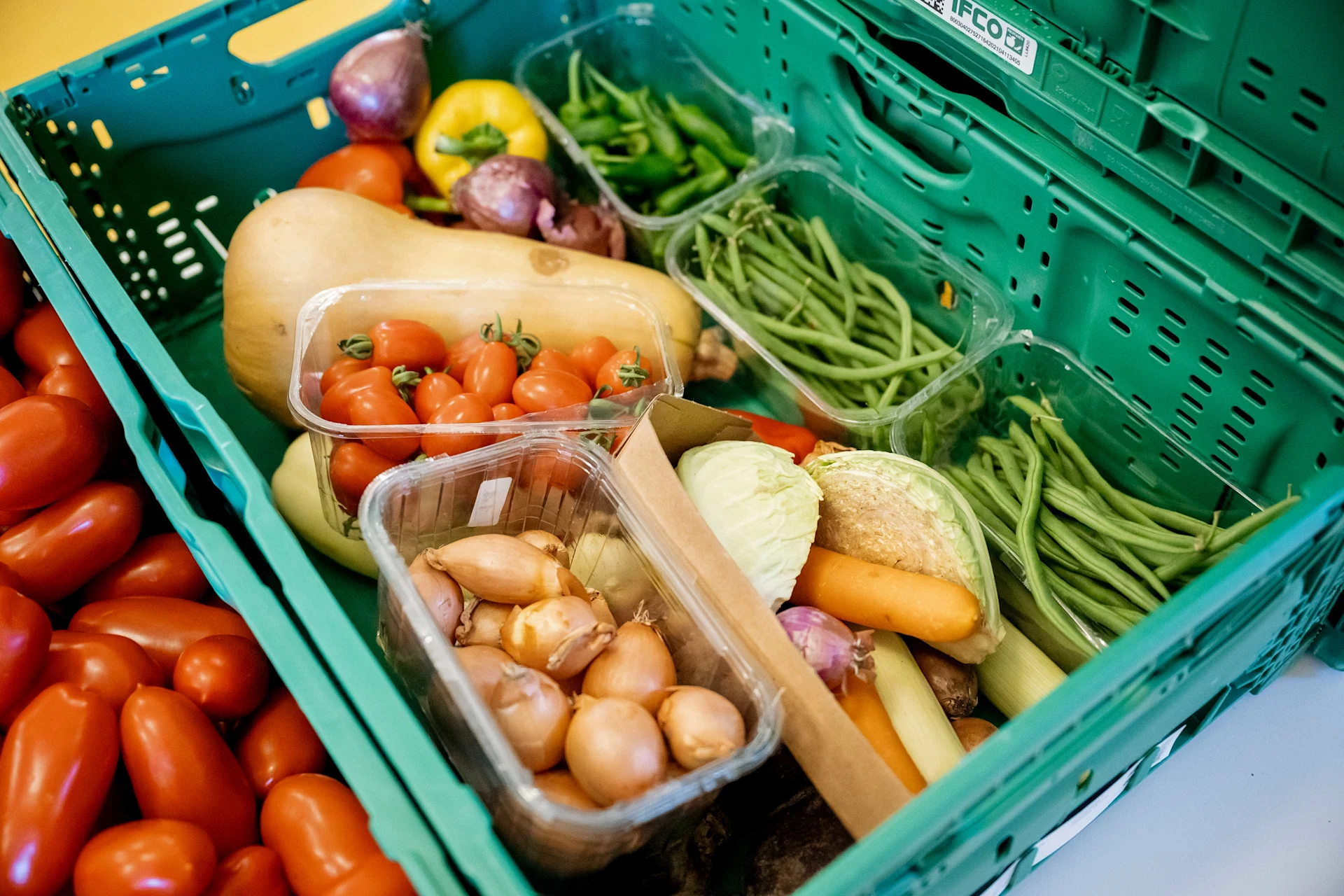
A visit to "Tischlein deck dich": members of the FMC Executive Board support the team on site.
Sustainability
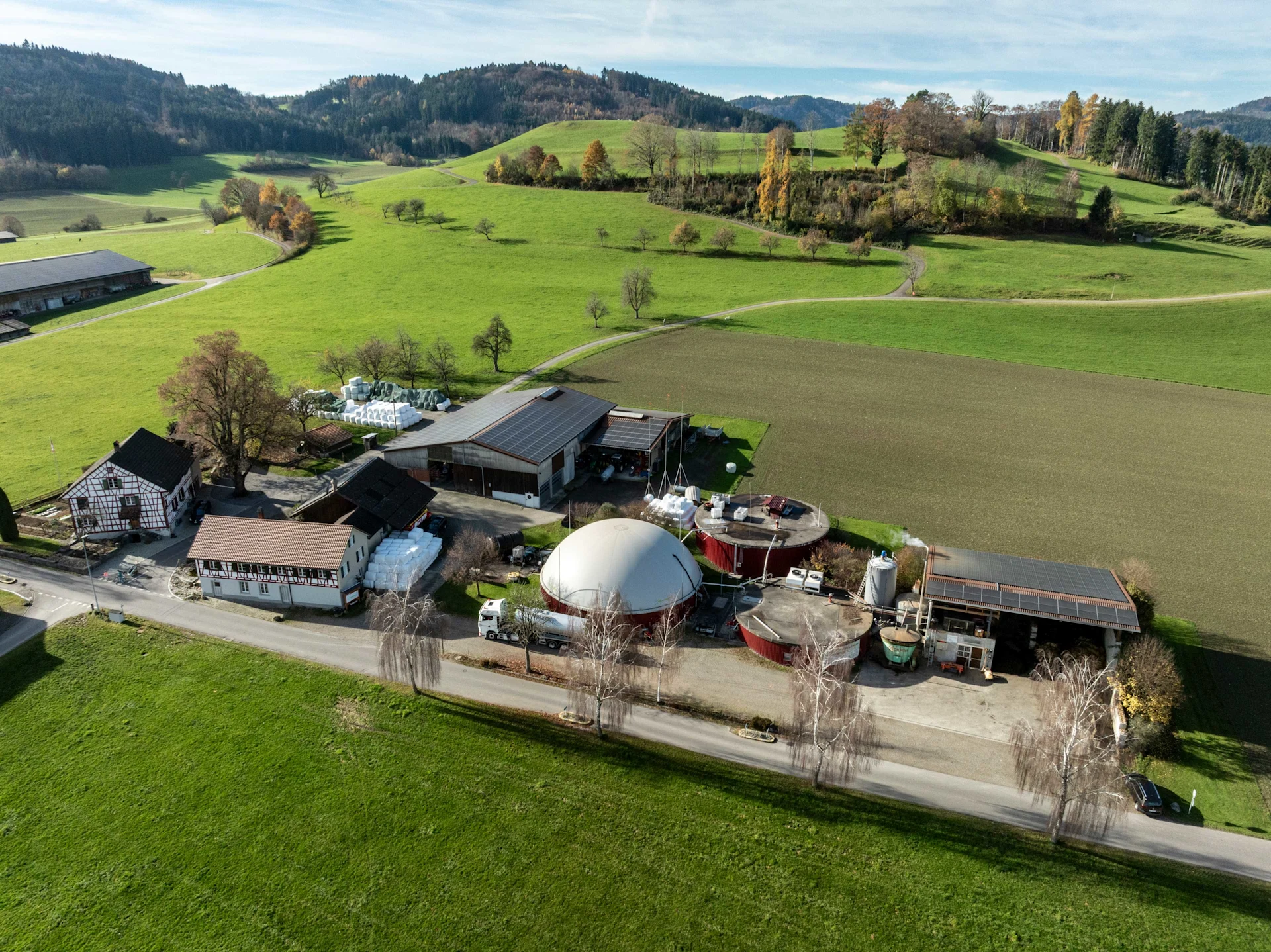
Generated through the fermentation of liquid manure and other residual waste, can then be used for electricity.
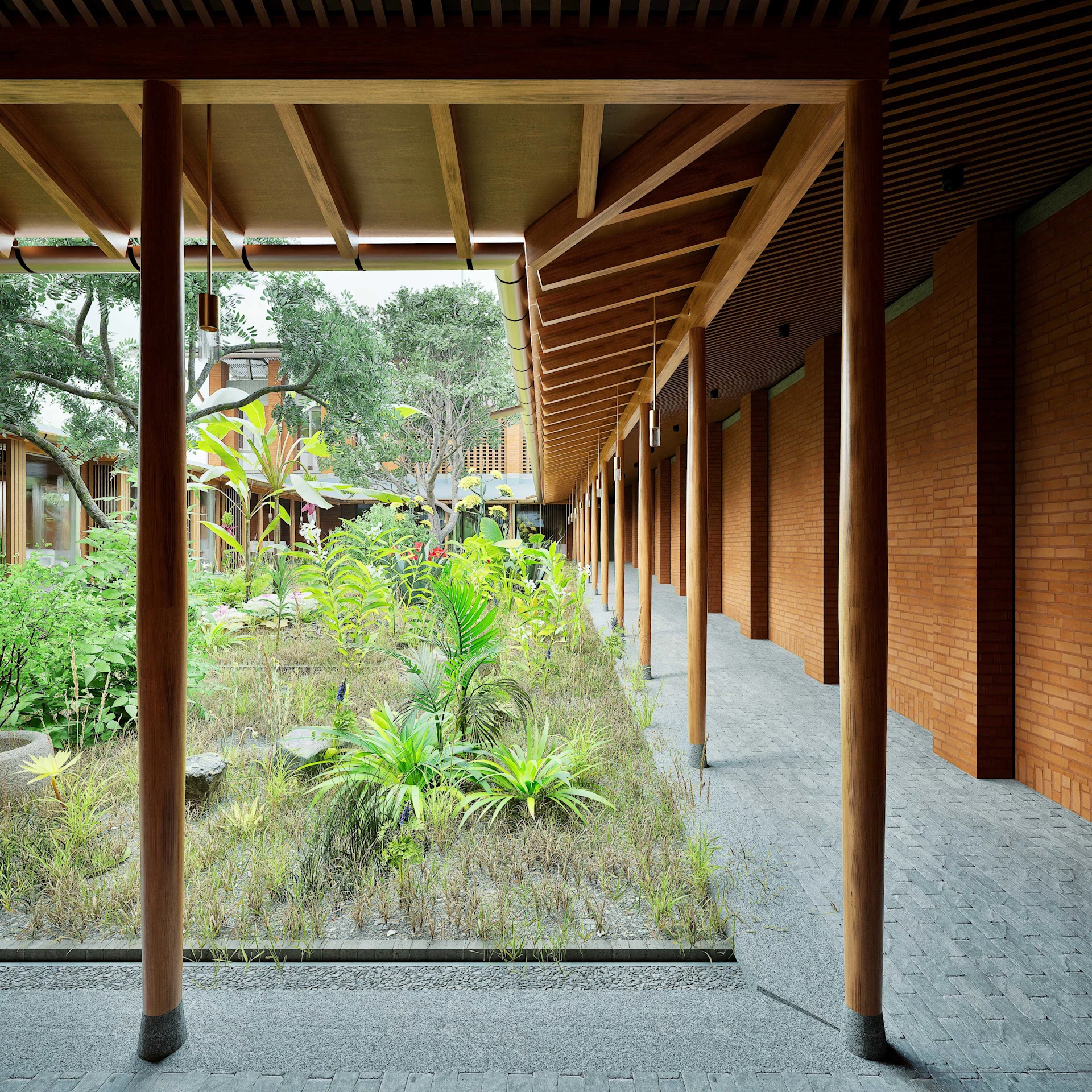
Sustainability
With support from the Migros Pioneer Fund, two companies are showing that eco-friendly construction is feasible.
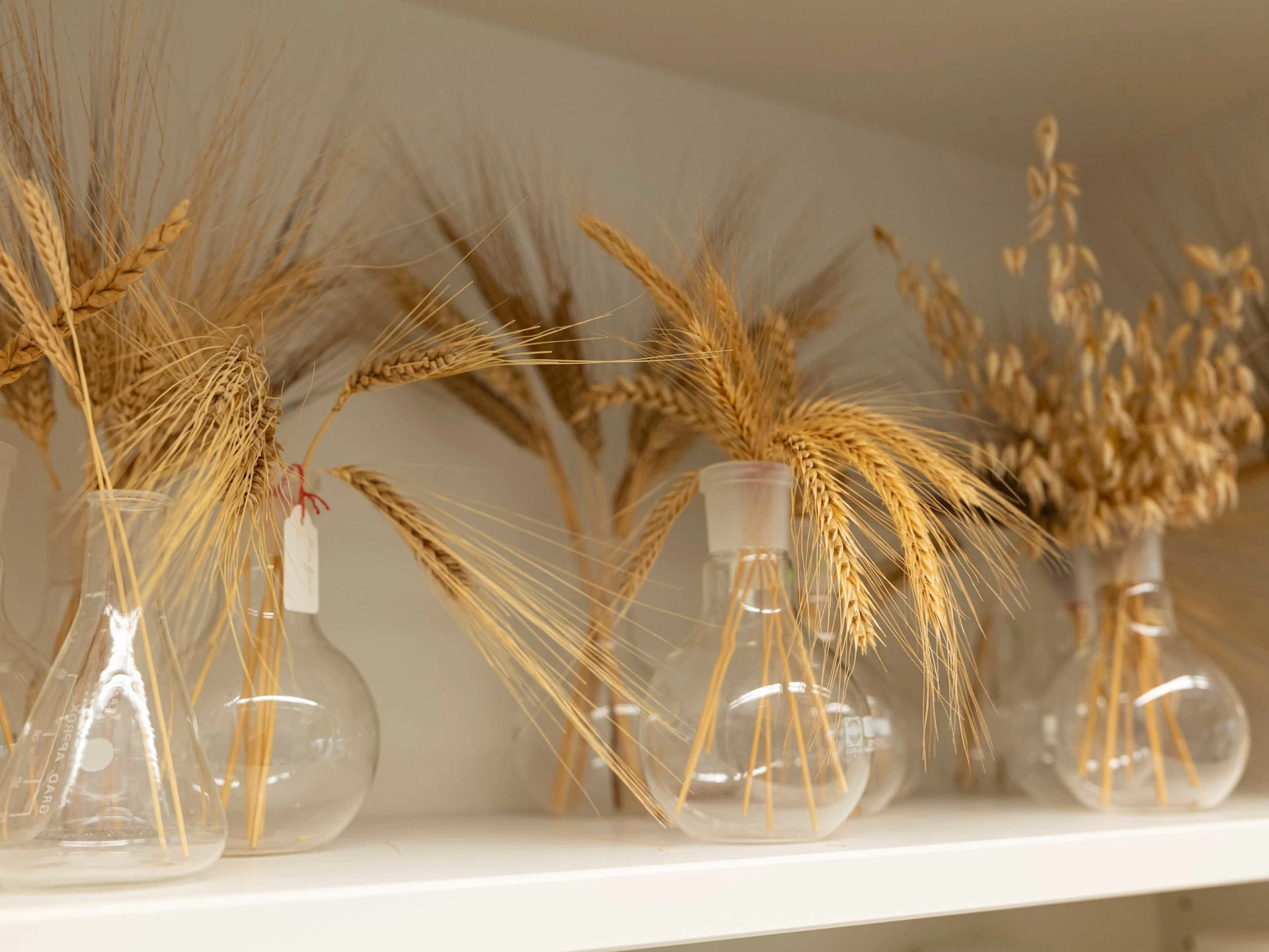
Sustainability
New wheat varieties are analysed for their baking quality and ideal blends are developed every year.
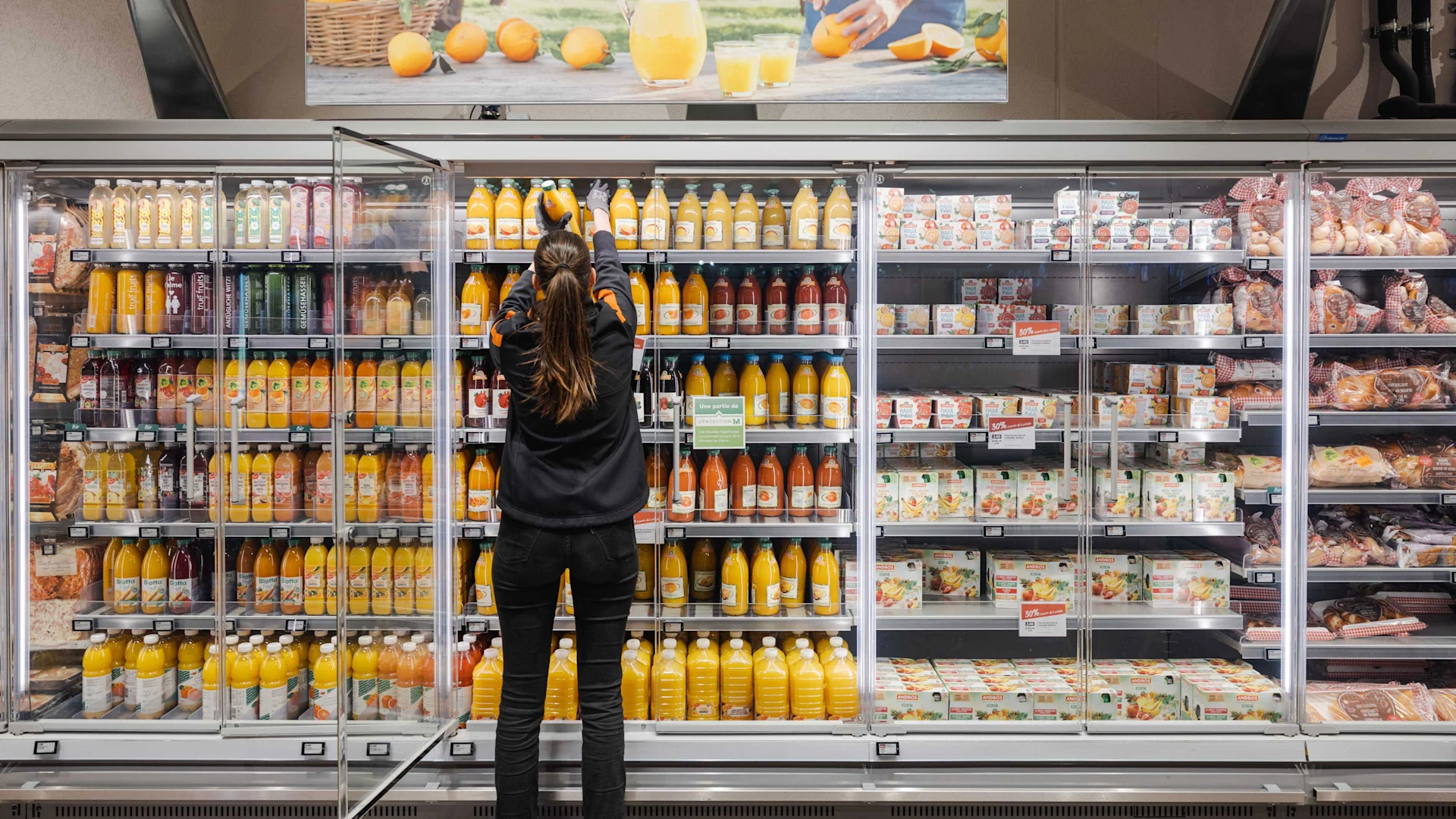
Climate
We explain what Migros is doing to make refrigeration technology environmentally friendly.
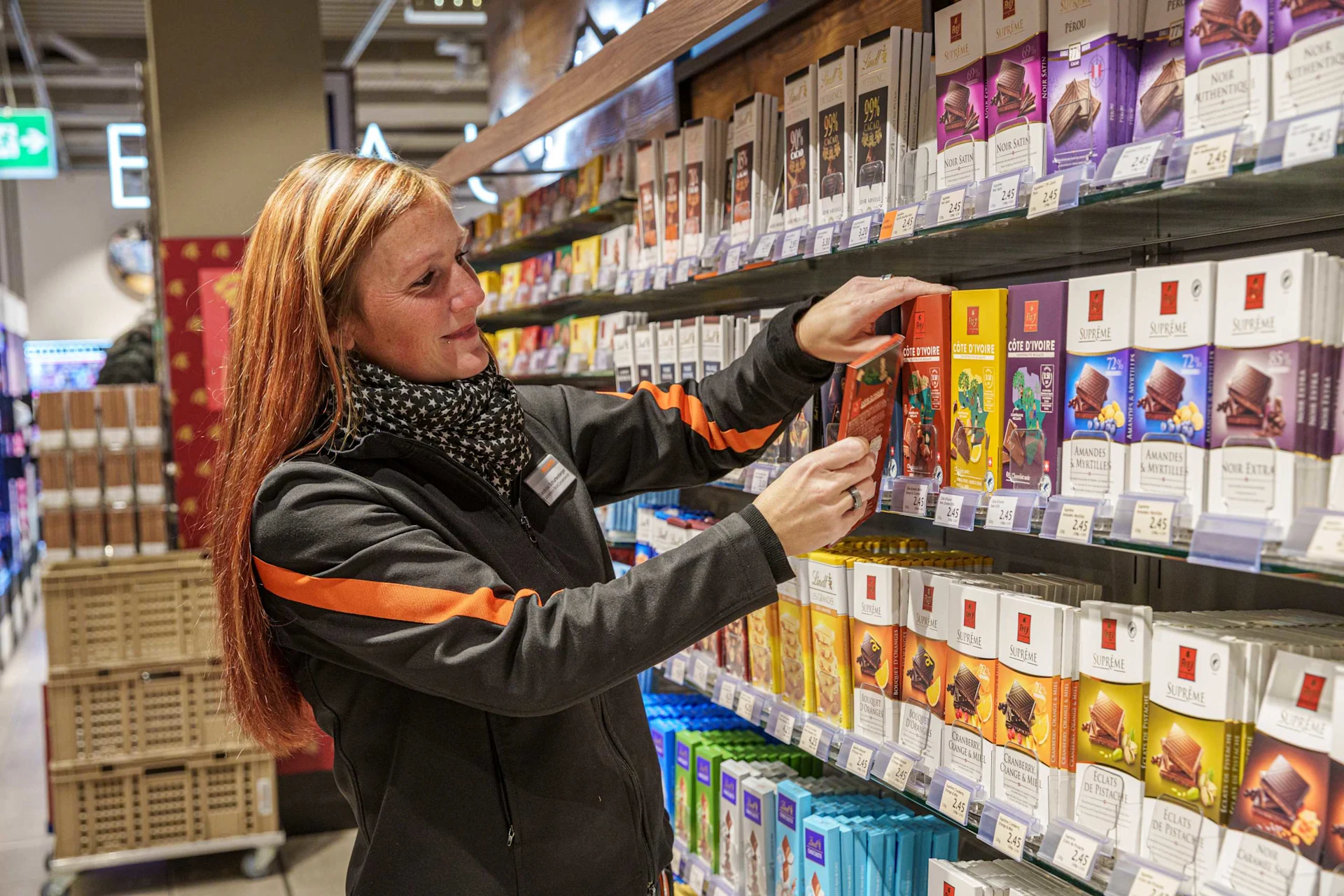
Sustainability
Migros has many chocolates with different labels. But what do “Fairtrade”, “Bio” and “Rainforest Alliance” mean?
Sustainability
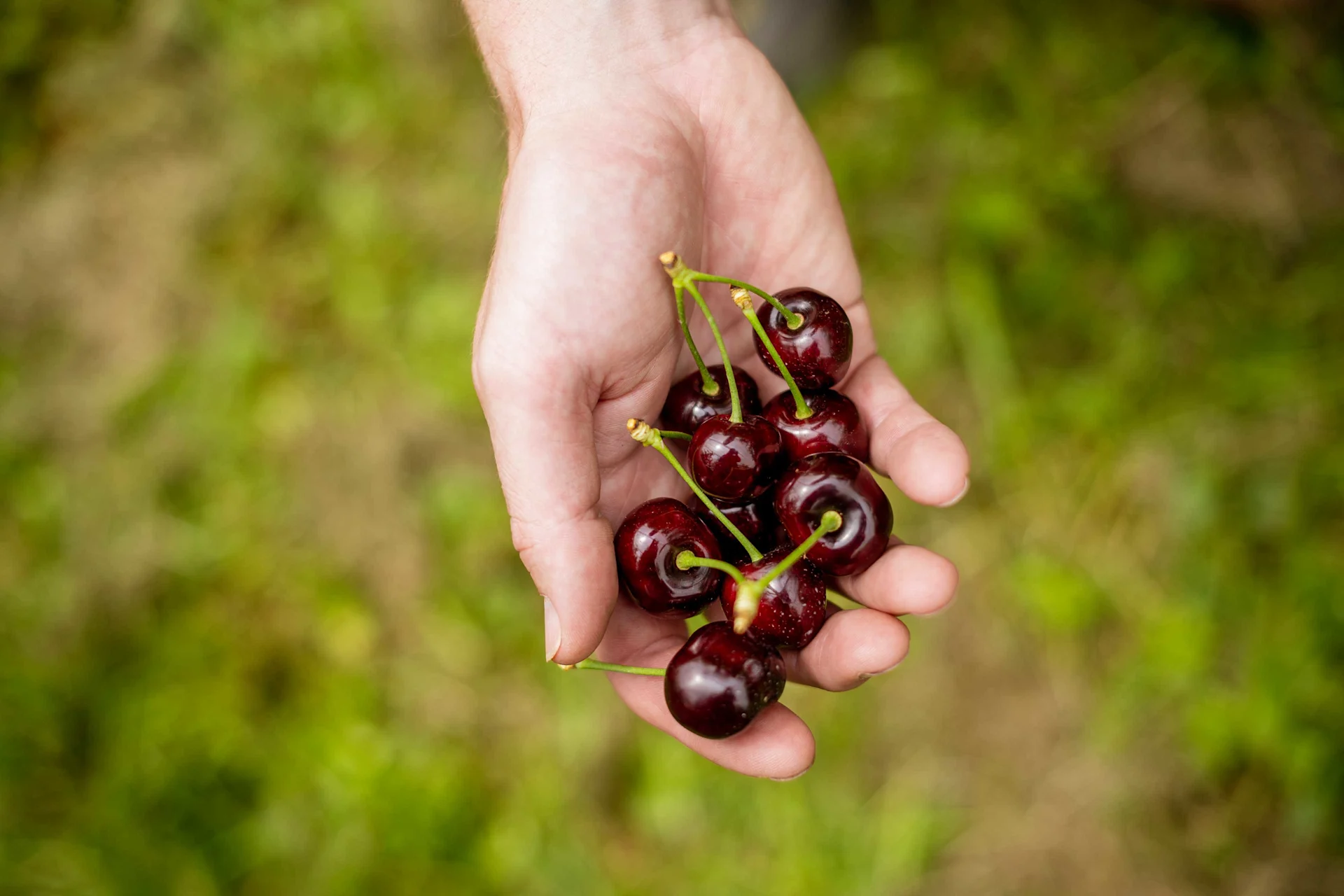
It's cherry season! Now they're even more sustainable. We visited a cherry orchard in the Bernese Seeland.