Sustainability
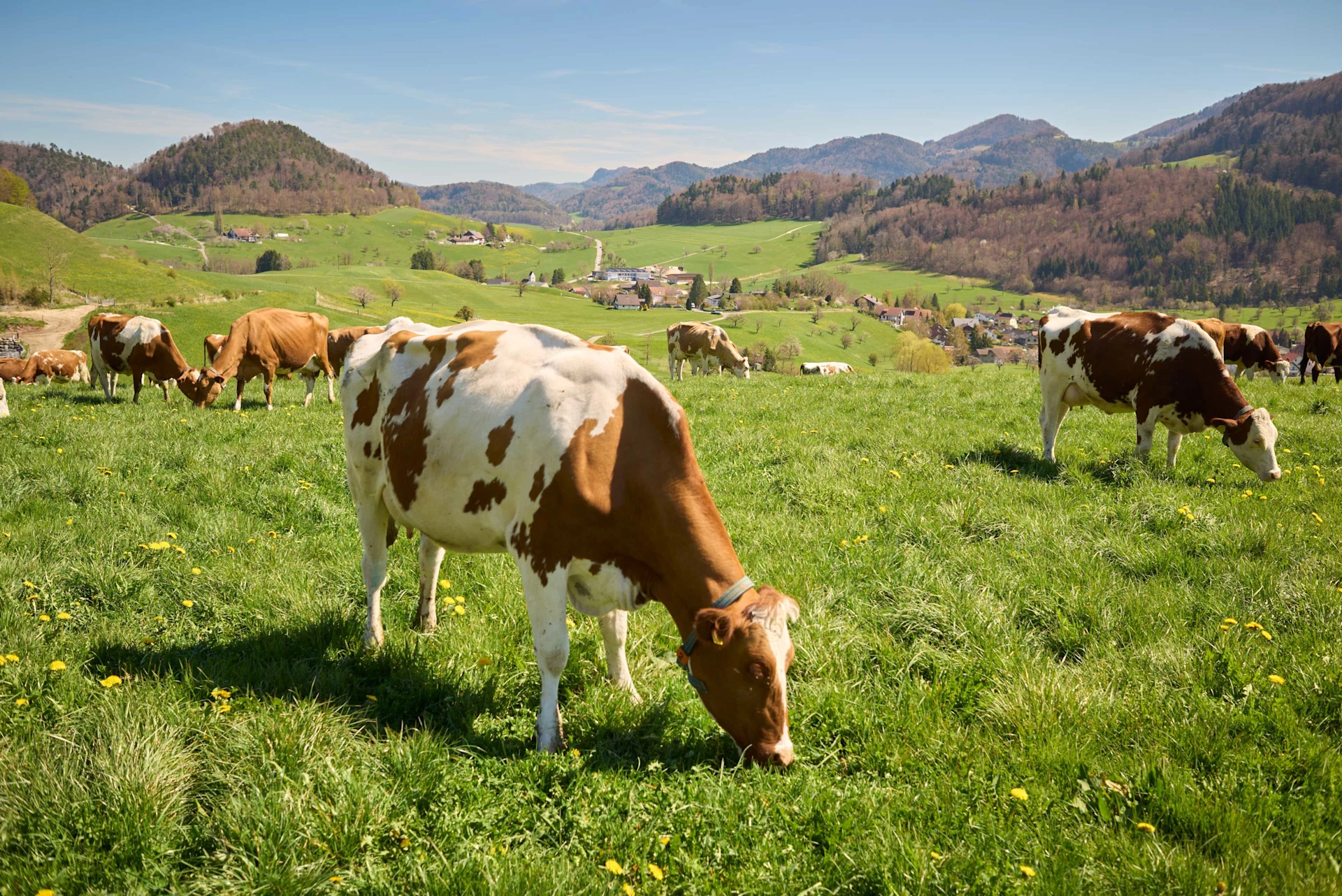
Seven questions about Pamela the model cow
Pamela the dairy cow can currently be seen on a Migros poster. How does farmer Michael Sutter ensure animal welfare?
navigation


Interview
Neuroscientist and best-selling author Ken Mogi has popularised a Japanese happiness philosophy known as "ikigai". He provides three tips on how to bring more happiness into our lives. In our interview with him, Mogi also reveals why a Swiss heroine is a good ambassador for happiness.
Ikigai is a Japanese happiness philosophy. The word loosely translates as "a reason for being". According to best-selling author and neuroscientist Ken Mogi, ikigai develops mainly out of minor pleasures, daily routines and curiosity.
Ken Mogi, your book about the Japanese philosophy "Ikigai" became an international best-seller. Does such success make you happy?
In a way, yes. Even as a child, I had a strong urge to write something that would be read around the globe. And now I'm talking to you in Switzerland! However, it's not primarily about professional success.
What then?
I see life as a long journey of self-discovery. Being happy means finding and realising your inner potential. In Japan, this is the philosophy we call "ikigai".
What's ikigai all about?
"Iki" means "life", while "gai" means "effect". Put the two words together, and it's about discovering what gives you a sense of purpose: something that matches your essence and that you enjoy doing. Incidentally, a good example of ikigai comes from Switzerland.
Now you've got our attention!
I'm thinking of the story of Heidi. We Japanese love her! Heidi represents the search for joy and fulfilment. In the mountains, she lives in harmony with nature and appreciates the little things in life: being together with family and friends and the beauty of the landscape.
Why are the "little things" so important?
Because they ground us in the here and now. Conscious perception of a ray of sunshine or a friendly gesture promotes gratitude, which in turn leads to a positive outlook. The same goes for Heidi.
Unfortunately, Heidi is suddenly wrenched from her happiness and ends up in Frankfurt...
The hectic city doesn't suit her simple, nature-loving character. A key point is also that she is cut off from her social environment. After all, we often find our ikigai in relationships and in the feeling of attachment.
How did you find your ikigai?
As a child, I often struggled to communicate with others. I'm probably on the autistic spectrum. At some point, I realised that my strange view of the world was also a strength. By accepting my uniqueness, I found my "secure base", as we say in neuroscience.
What is a secure base?
It's a state of inner security and stability. In order for us to be happy, we must first accept ourselves. Paradoxically, the path to self-acceptance involves letting go of yourself: your ego, your pride, but above all illusory self-images that we consider desirable. These images arise because we compare ourselves to others. For example, I had to free myself from the pressure to always look neat and tidy.
In order for us to be happy, we must first accept ourselves.
How did you let go of false expectations?
I've been cutting my own hair for a few years now! (Laughs) At first, I still worried about what people would think of me. Today, I enjoy the freedom to be myself and have my own personal style. It's a good basis for my ongoing growth. Incidentally, fairy tales are wrong on this point.
What's the wrong message in fairy tales?
They often begin with an unhappy prince or princess. This character has an adventure and is then happy for the rest of his or her life. It's therefore assumed that growth stops with happiness. In fact, it's the other way round: on day one, we should be happy because we accept our uniqueness. This gives us a secure base from which we can set off on adventures.
However, your own adventure can conflict with the community.
That's precisely why we need "nagomi". This Japanese word describes the ability to find a balance between self-development and community. The basic concept is that everyone wants to be happy in their own way.
How do you find a balance?
By stopping constantly judging others. Many people imagine that their way - their opinion - is the only right one. Nagomi means recognising different perspectives and needs and then looking for what connects them.
Do the Japanese find it easier to be happy?
It's true that we find it easier to appreciate the little things in life. I once met a German in Tokyo during the cherry blossom season. He was completely irritated that the sight of the trees caused so much euphoria. Perhaps westerners approach the search for happiness a little too cerebrally.
Can we only be happy if we have also known unhappiness?
Yes, I think so. In Japan, we are repeatedly hit by earthquakes, tsunamis and volcanic eruptions. Unhappiness is part of our lives.
Do you need many different emotions in order to have a fulfilled life?
If you want to be happy in the long term, you should also permit yourself to have unpleasant feelings. Shogun Tokugawa Ieyasu once said, "Life is a long journey with a heavy burden." That only sounds pessimistic when you first hear it. The burden is an opportunity to grow.
Discover exciting stories about all aspects of Migros, our commitment and the people behind it. We also provide practical advice for everyday life.
All StoriesSustainability
Pamela the dairy cow can currently be seen on a Migros poster. How does farmer Michael Sutter ensure animal welfare?

GDI
Price supervisor Stefan Meierhans tackles excessively high prices. We asked him how satisfied he is with Migros.

Ticket festival 4–11.5.2026
As a presenting partner of many festivals in Switzerland, Migros offers you an unforgettable summer of festivals.

Interview
Time and again, medicines are in short supply in Switzerland. We look at why and what to do about it.

Migros Bank
Married couples will soon no longer be taxed jointly. We explain the key points to bear in mind.
Supermarket
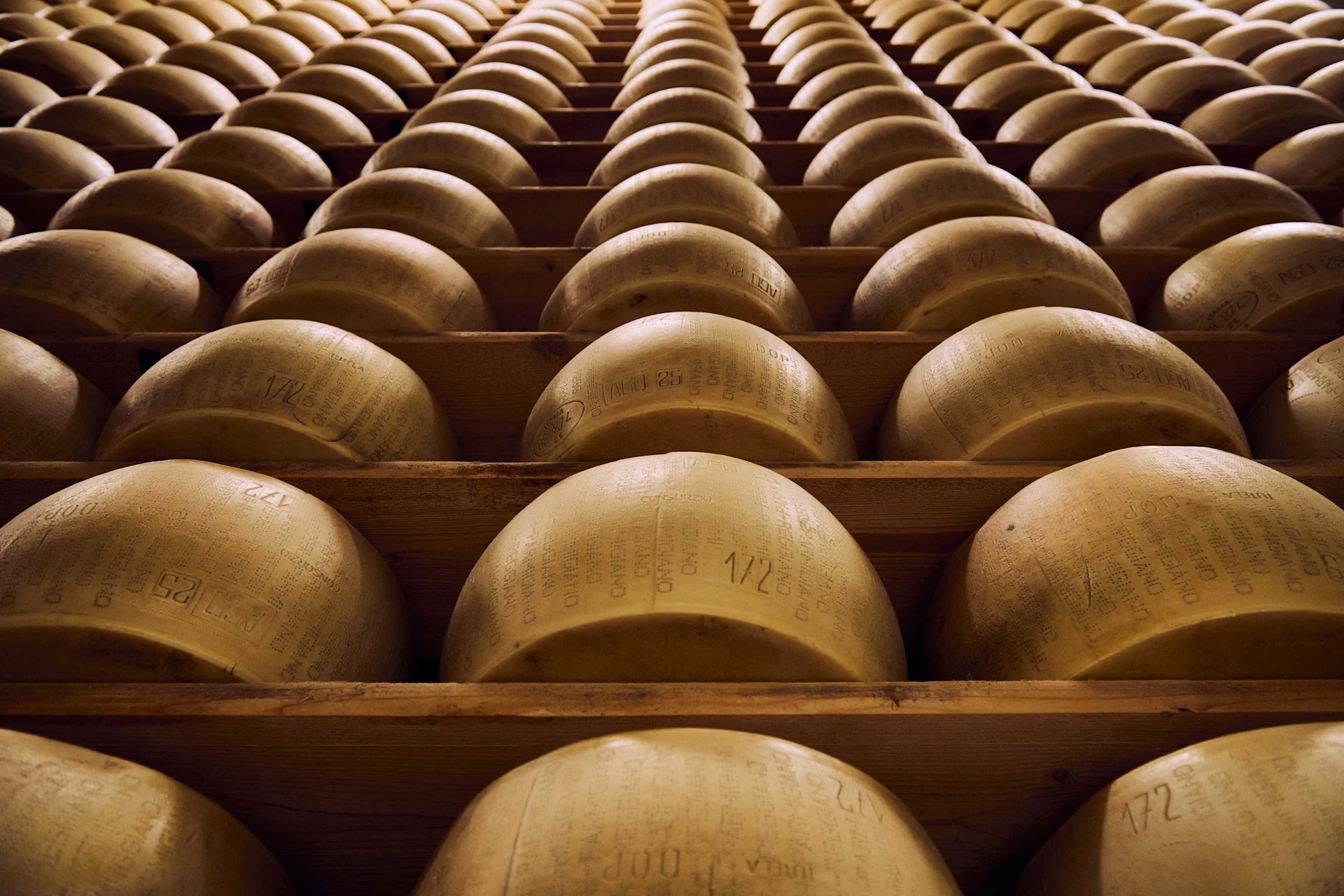
We visit the Italian cheese dairy that makes Parmigiano Reggiano for Migros.

Migros Culture Percentage
Fusaro will represent Switzerland with her song 'Alice', which addresses the issue of violence against women.

Sustainability
Most of the vegetables found in the frozen food aisle are grown in the St. Gallen Rhine Valley. A visit.

Migros Group
The Migros Group is emerging stronger from its transformation. The most important figures for the 2025 financial year.

Migros Pioneer Fund
A Swiss start-up offers you to travel to Barcelona in your sleep while protecting the environment. We tried out

Supermarket
From the initial idea to production: how Easter bunnies are created for Migros and who belongs to the bunny-making team.

Food waste
Any meat products that remain unsold shortly before their use-by date are frozen and then sold at half price.