Sustainability
Seven questions about Pamela the model cow
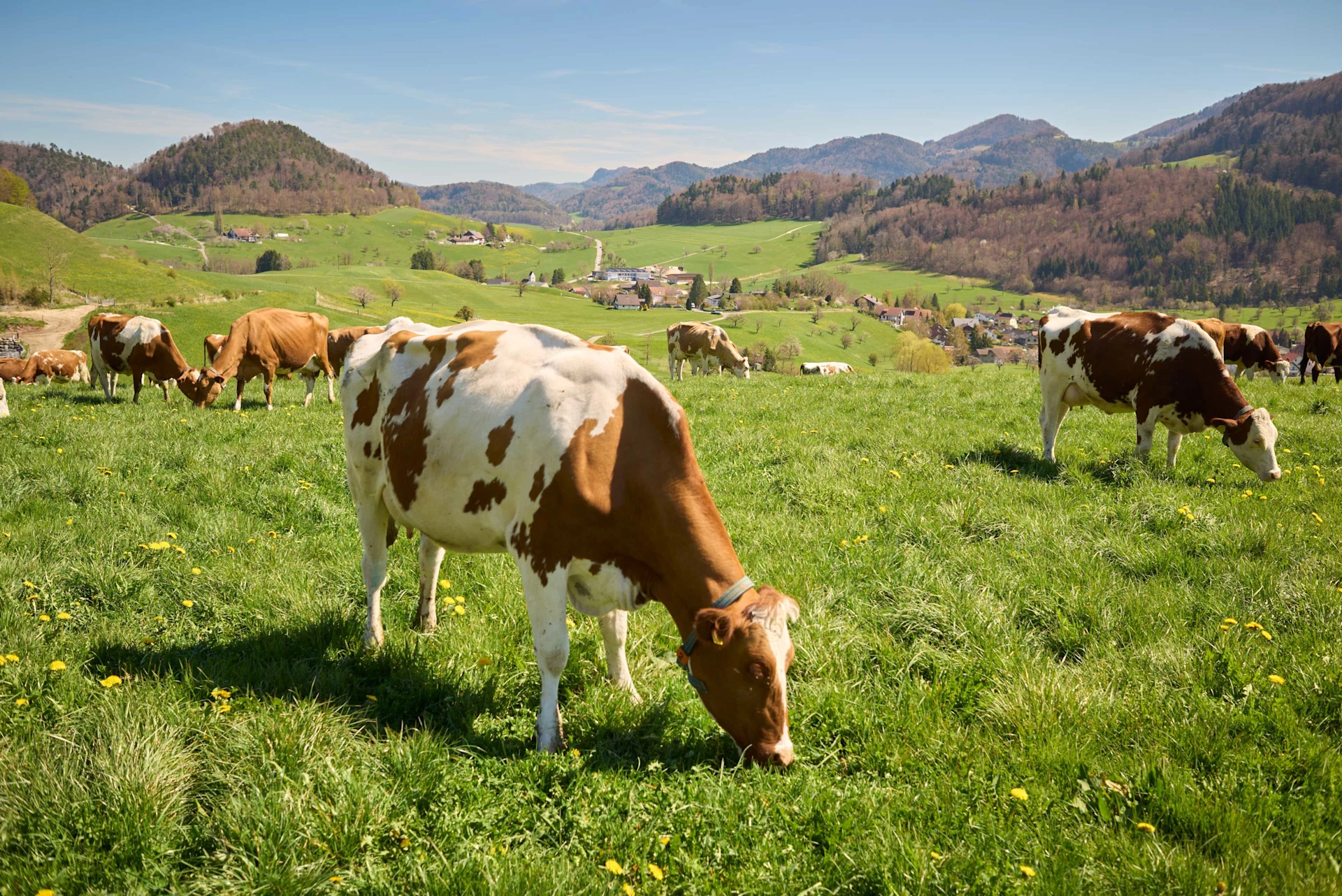
Pamela the dairy cow can currently be seen on a Migros poster. How does farmer Michael Sutter ensure animal welfare?
navigation


Society
In sport, everyone wants to win. But even downright failure can make you famous. We look back on four unforgettable losers at the Winter Olympics.
No winter sports loser as is as legendary as Michael Edwards, a trained plasterer from the English city of Gloucester. Edwards had been a huge fan of ski jumping ever since he had watched the Four Hills Tournament on television. Given that he had almost no rivals in his home country, he was able to qualify for international competitions in the 1980s.
Edwards wore glasses with lenses as thick as the bottoms of bottles, and they constantly fogged up in the cold. Since he was less than eagle-eyed, he was given the tongue-in-cheek nickname "Eddie the Eagle". In 1988, Edwards competed at the Winter Olympics in Calgary; the absolute highlight of his athletic career. Weighing in at 82 kilogrammes, he was at least nine kilos heavier than all his fellow competitors. He was destined to finish last. Nevertheless, 100,000 people chanted his name at the massive closing ceremony. "If I'd been a bit better and finished in the middle of the pack, I would probably have been forgotten again immediately," Edwards later said in an interview.
The bespectacled eagle thrilled audiences because he never gave up. Despite numerous accidents, two skull fractures and a broken collarbone, he refused to throw in the towel. A film about him was released in cinemas in 2015.
Jamaican bob-sledders Devon Harris, Dudley Stokes, Michael White and Samuel Clayton are equally famous. In the 1980s, an American businessman had the idea of bringing Jamaica to the Winter Olympics. Daredevil soapbox races are regularly held on the island, and the American saw similarities to bob-sledding. He therefore recruited four well-trained soldiers from the Jamaican army to form a bob-sled team.
The Jamaicans took part in the 1988 Winter Olympics in Calgary, where they had a spectacular crash, their 500-kilogramme sled tipping over and hurtling down the track on its side, the men's helmets scraping brutally against the ice. By some miracle, all four escaped without serious injury. After the crash, they stoically made their way to the finish line on foot, as the crowd cheered them on for their bravery.
This story too made it to the cinema in the film "Cool Runnings". To add insult to injury, the Jamaicans also lost out in the negotiations for the film rights. They were fobbed off with just USD 225,000, while the film went on to make USD 300 million at the box office. "At least we got free tickets for the première," Dudley Stokes said sarcastically in an interview.
You needn't be popular to become a losing legend. This was proved by American figure skater Tonya Harding. Harding became a star because of her jumps. In 1987, at the tender age of 17, she became the first female skater to pull off a triple Axel in competition.
Even so, American viewers preferred her glamorous arch-rival, Nancy Kerrigan. In January 1994, Harding's then-husband hired a criminal to ambush Kerrigan and hit her on the knee with a club.
In February of the same year, the two women competed against one another at the Winter Olympics in Lillehammer. The "Ice Witch vs. Ice Princess" duel, as the media dubbed it, was watched by almost half of US population. Harding lost because one of her shoelaces broke – but also because she felt the concentrated vitriol of the spectators. She later admitted her complicity in the attack and was banned from all competitions. Twenty years later, in an interview filled with bitterness, she said, "Nancy's a princess and I'm a pile of crap."
In 2014, Luger Fuahea Semi became the first person from the Polynesian island of Tonga to take part in the Winter Olympics. However, the computer science student and son of a humble cassava farmer earned his fame primarily because of an advertising scandal: a marketing agency urged him to call himself Bruno Banani, just like the name of an underwear brand. He even changed the name on his birth certificate. The whole thing was sold to the public as a crazy coincidence.
When the scam was uncovered, there was a great deal of outrage about the covert advertising. Semi, who was very shy, felt humiliated by the scandal. But he didn't give up, continued training hard and eventually took part in the Winter Olympics in Sochi. He finished in 32nd place out of 39 participants, earning the audience's respect for his perseverance.
Discover exciting stories about all aspects of Migros, our commitment and the people behind it. We also provide practical advice for everyday life.
All StoriesSustainability
Pamela the dairy cow can currently be seen on a Migros poster. How does farmer Michael Sutter ensure animal welfare?

GDI
Price supervisor Stefan Meierhans tackles excessively high prices. We asked him how satisfied he is with Migros.

Ticket festival 4–11.5.2026
As a presenting partner of many festivals in Switzerland, Migros offers you an unforgettable summer of festivals.

Interview
Time and again, medicines are in short supply in Switzerland. We look at why and what to do about it.

Migros Bank
Married couples will soon no longer be taxed jointly. We explain the key points to bear in mind.
Supermarket
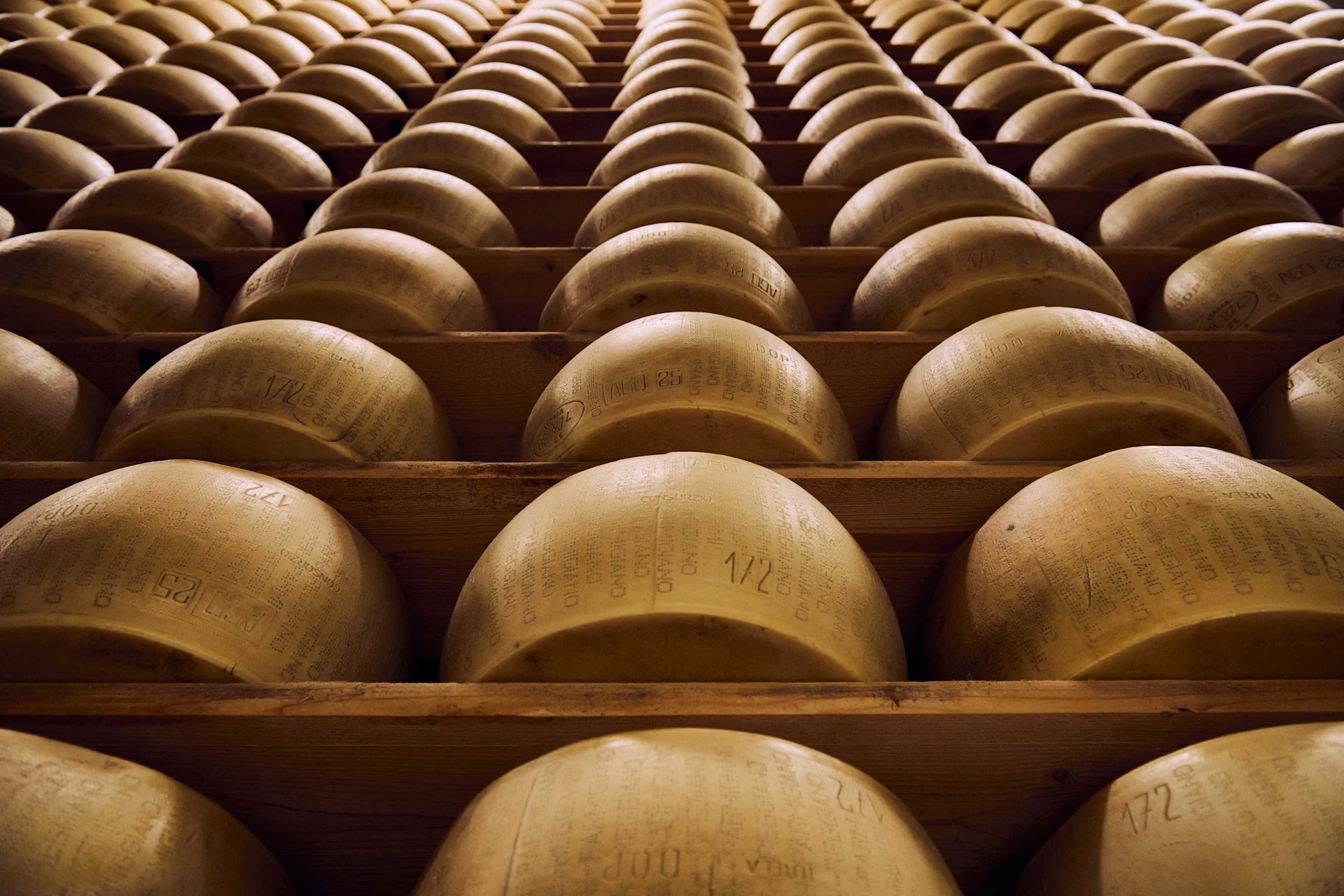
We visit the Italian cheese dairy that makes Parmigiano Reggiano for Migros.

Migros Culture Percentage
Fusaro will represent Switzerland with her song 'Alice', which addresses the issue of violence against women.

Sustainability
Most of the vegetables found in the frozen food aisle are grown in the St. Gallen Rhine Valley. A visit.

Migros Group
The Migros Group is emerging stronger from its transformation. The most important figures for the 2025 financial year.

Migros Pioneer Fund
A Swiss start-up offers you to travel to Barcelona in your sleep while protecting the environment. We tried out

Supermarket
From the initial idea to production: how Easter bunnies are created for Migros and who belongs to the bunny-making team.

Food waste
Any meat products that remain unsold shortly before their use-by date are frozen and then sold at half price.