Supermarket
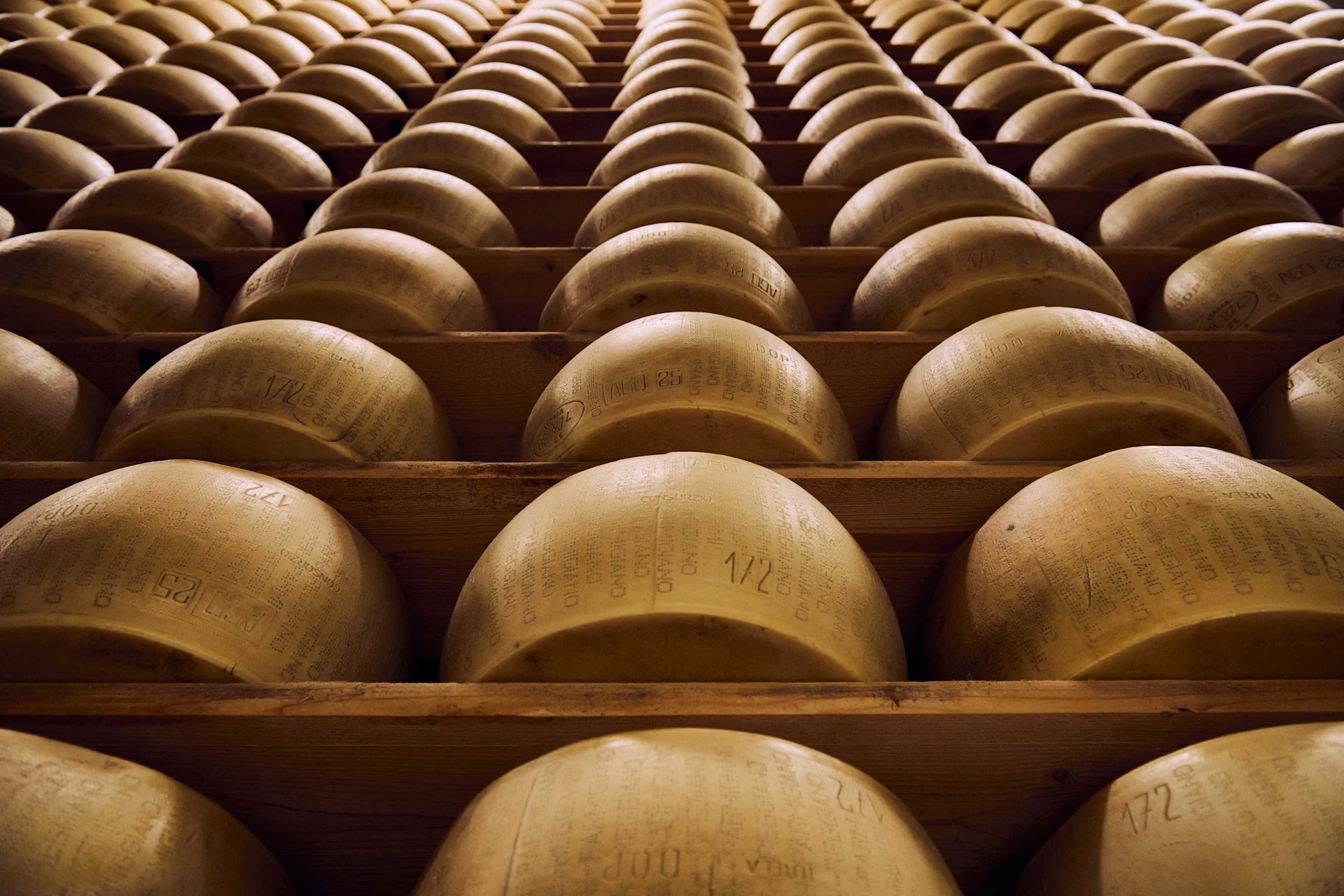
Where Parmigiano Reggiano comes from
We visit the Italian cheese dairy that makes Parmigiano Reggiano for Migros.
navigation


Migros Group
Travelling with Migros CEO Mario Irminger in India, where he gets to know the people and companies behind the Migros products made there and visits a quite extraordinary school.
When Gottlieb Duttweiler founded Migros in 1925, he came up with a revolutionary idea: buying directly from producers – without middlemen – to give customers fair prices. Migros still operates in line with this principle today. In India, a team of 25 Migros employees procures products directly from carefully selected producers before they end up on the shelves of Migros, Denner and Digitec Galaxus.
Migros CEO Mario Irminger visited their office in India to get to know the people behind the products. He travelled through the country in a tuk-tuk, an electric car and a commercial plane, taking a look behind the scenes everywhere he went: at textile factories, grape plantations, sustainable production facilities and a school that was founded as part of this collaboration.
Tiruppur, a bustling city in southern India, is seen as the heart of the textile industry. In the production halls of Hero Fashion, people bustle around between chattering sewing machines, rolls of fabric and cardboard boxes. They sew garments that will soon be on their way to Swiss shelves.
Sundar Murthy started out with seven sewing machines when he launched his company in 1989. Today, the company employs 850 people who grow cotton and turn it into pyjamas and underwear, including items that have carried the Migros label for the past 30 years.
"We share the same values as Migros," says Murthy. "Instead of focussing on maximising profits, we care more about the health and well-being of people and the planet."
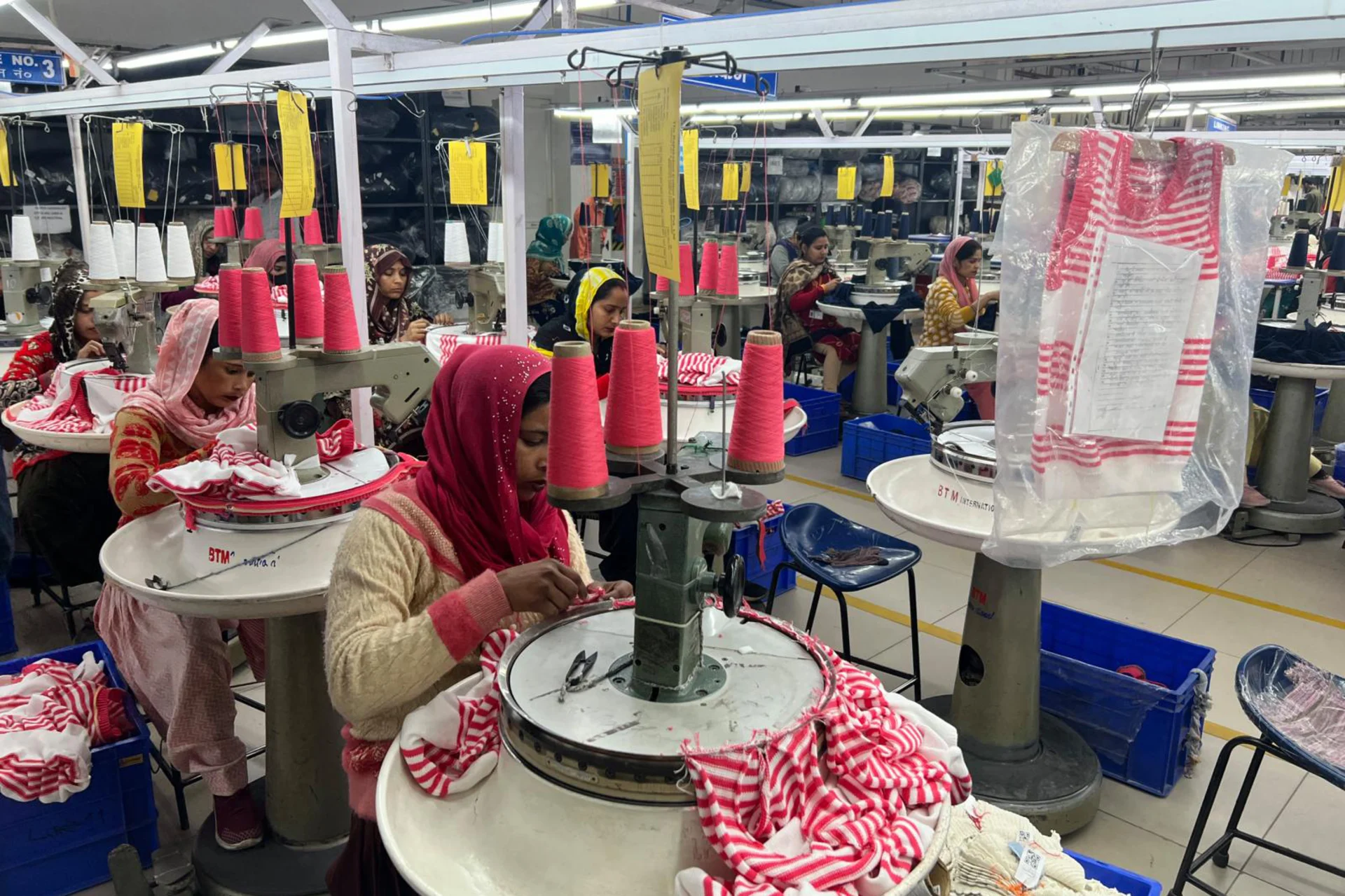
The clothes Murthy's company produces meet the strict international GOTS standard for organically grown natural fibres, and its electricity comes almost entirely from solar and wind power plants. Working conditions and environmental standards are regularly monitored, including by inspectors from the Migros SQTS laboratory, who carry out unannounced inspections. However, there is still a sense of conflicting priorities as we in the West can only afford so many comparatively cheap clothes because the seamstresses here in India work eight hours a day, six days a week, for just a few hundred Swiss francs a month.
Half an hour's drive from the textile factory is a blue stone wall bearing a sign that reads 'Migros Kids School'. The schoolchildren and teachers have gathered in the yard to greet the visitors from Switzerland. The words 'Migros Kids' also appear on the back of the colourful school uniforms. Some 1185 children aged between 6 and 16 years old go to school here.
The ice cream melts as Mario Irminger and his team unpack the Risoletto ice creams produced by Chocolat Frey – with one brought for each child in cool boxes from Switzerland.

A Migros school in the middle of India: how did that come about? The school was founded in 1988 when there were few educational opportunities available in the region and many children were working in textile factories. Together with the local business community, Migros created a scholastic programme. At the time, many of the parents took some convincing as it meant the income from the children's factory work would disappear from the family budget.
Today, textile companies that produce goods for Migros make a contribution to the school for every item of clothing manufactured. As a result, more than 30,000 children have received an education since the school was founded. Many have later gone on to study and gain skilled employment. Three of the current teachers at the school were once pupils here themselves.
It is warm in the production hall which has a sweet aroma of dried palm leaves. The Magnus company in rural India produces disposable plant-based plates, providing a sustainable alternative to plastic cutlery. Everyone in Switzerland is probably aware of them, but few appreciate just how much hard work goes into each plate before it ends up being used for the cake buffet at the village festival. Local farmers supply the palm leaves. More than a hundred employees then use machines and heat to press each individual leaf to make plates, before carefully drying and polishing them by hand. Two brothers founded the company as a start-up 25 years ago. Today, Migros sources 19 of its products from these halls, including plates, salad bowls and serving dishes, accounting for around 10% of the company's revenue.
The Migros delegation then travels to the northern provincial town of Nashik on a propeller plane operated by a low-cost Indian airline. Practical: The host company Mahindra not only operates in the agricultural sector, but also produces electric cars for the Indian market. And so the delegation set off to the countryside in the electric vehicles.

Grapevines stretch over the horizon. The burning sun shines down and the grapes glisten among the green leaves. It's harvest time. Workers carefully pick, check and sort each bunch of grapes to ensure they meet the size, sweetness and quality criteria. If the bunch meets the requirements, it ends up in a 500 gram tray in the production hall. Refrigerated containers keep them fresh on the journey by ship to Europe. Around 60 days later, the sweet and crunchy grapes sit on shelves in Swiss Migros stores. Only around 1% of the producer's total harvest ends up at Migros. Yet you might think this figure was much higher considering the warm welcome given to the Migros delegation – with flower wreaths, candle rituals and group photos.
Right in the centre of Delhi, a view of Zurich's old town, painted on one of the break room walls in the procurement office, catches our eye. Here, 25 Indian employees put their all into the work they do for Migros, Denner and Digitec Galaxus. One of the first Migros lorries adorns the meeting room wall, and the room features a display of products that the team has purchased here in India for Switzerland – from M-Budget coconut milk to prawns and latex gloves. "We are proud to buy for Migros and are always delighted when another order arrives," says office manager Gargi Kumar.

Migros invited its 50 Indian suppliers to New Delhi to finally meet them face-to-face. Thanks to Bollywood, everyone in India knows about Switzerland, as some scenes in Indian films are set in Interlaken or Lucerne. Although the Indian business people in the country with a population of 1.4 billion are used to completely different numbers and sizes, they are nevertheless impressed that Migros is the largest private employer in Switzerland with an almost 100,000-strong workforce. In his speech, CEO Mario Irminger says: "Strategically, India is an extremely important purchasing market for Migros – your expertise, reliability and entrepreneurial spirit are vitally important to us."
Afterwards, the room is transformed into an Indian version of an Oscars ceremony, with congratulatory speeches being given and trophies awarded for innovation, sustainability and long-term partnerships. Thousands of kilometres stretch between Switzerland and Tiruppur, Nashik and New Delhi. However, every pair of pyjamas, every plate and every grape tells the same story: of people who put a lot of care, effort and responsibility into the products we consume in Switzerland. For Migros, the visit to India is not just about buying high-quality and sustainable products. Instead, it represents partnership, fairness and opportunity.
Discover exciting stories about all aspects of Migros, our commitment and the people behind it. We also provide practical advice for everyday life.
Supermarket
We visit the Italian cheese dairy that makes Parmigiano Reggiano for Migros.

Supermarket
From the initial idea to production: how Easter bunnies are created for Migros and who belongs to the bunny-making team.
Migros Commitment
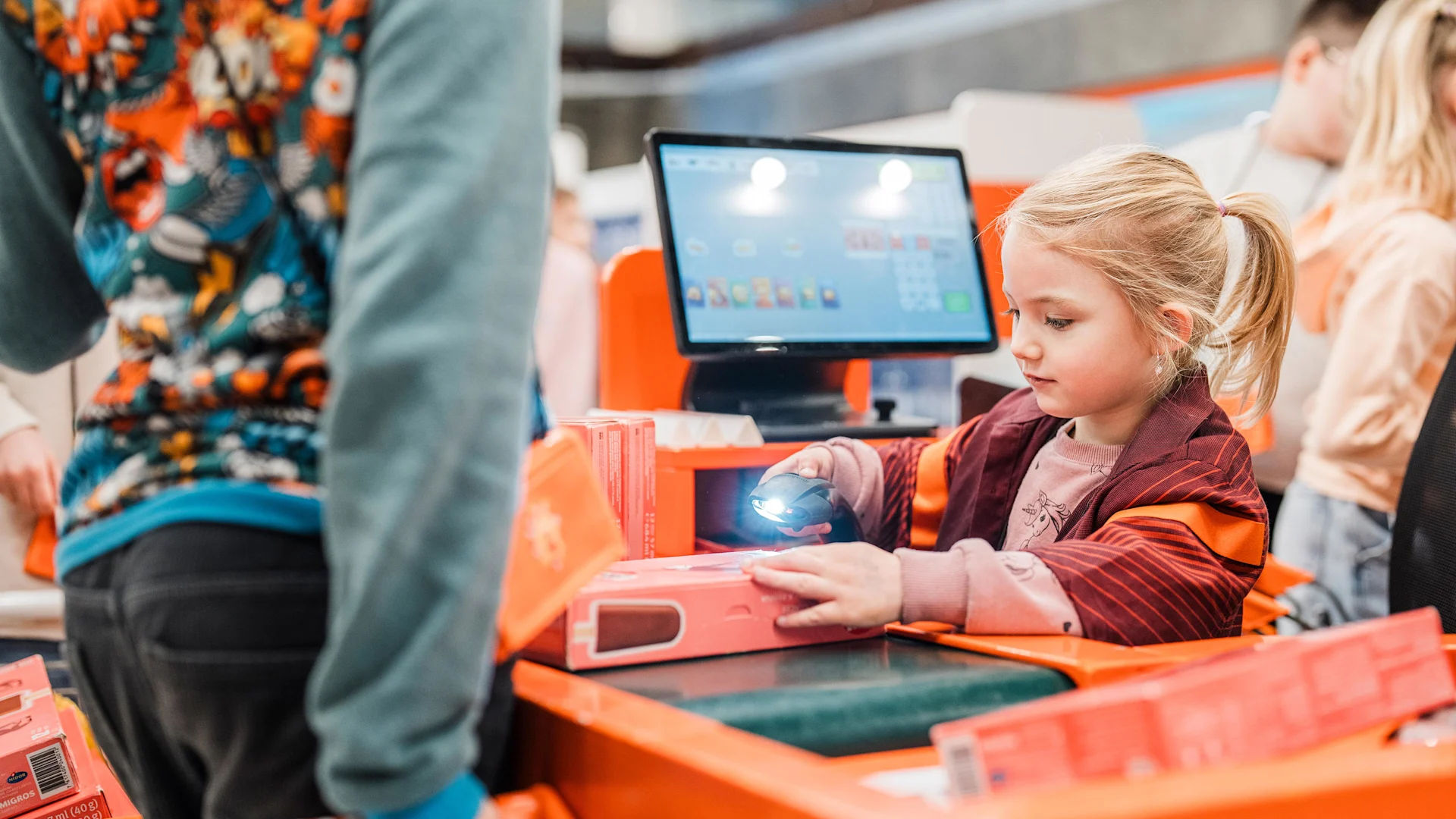
At Switzerland’s largest play store, children can work the till, fill shelves and pretend to shop.
Work environment
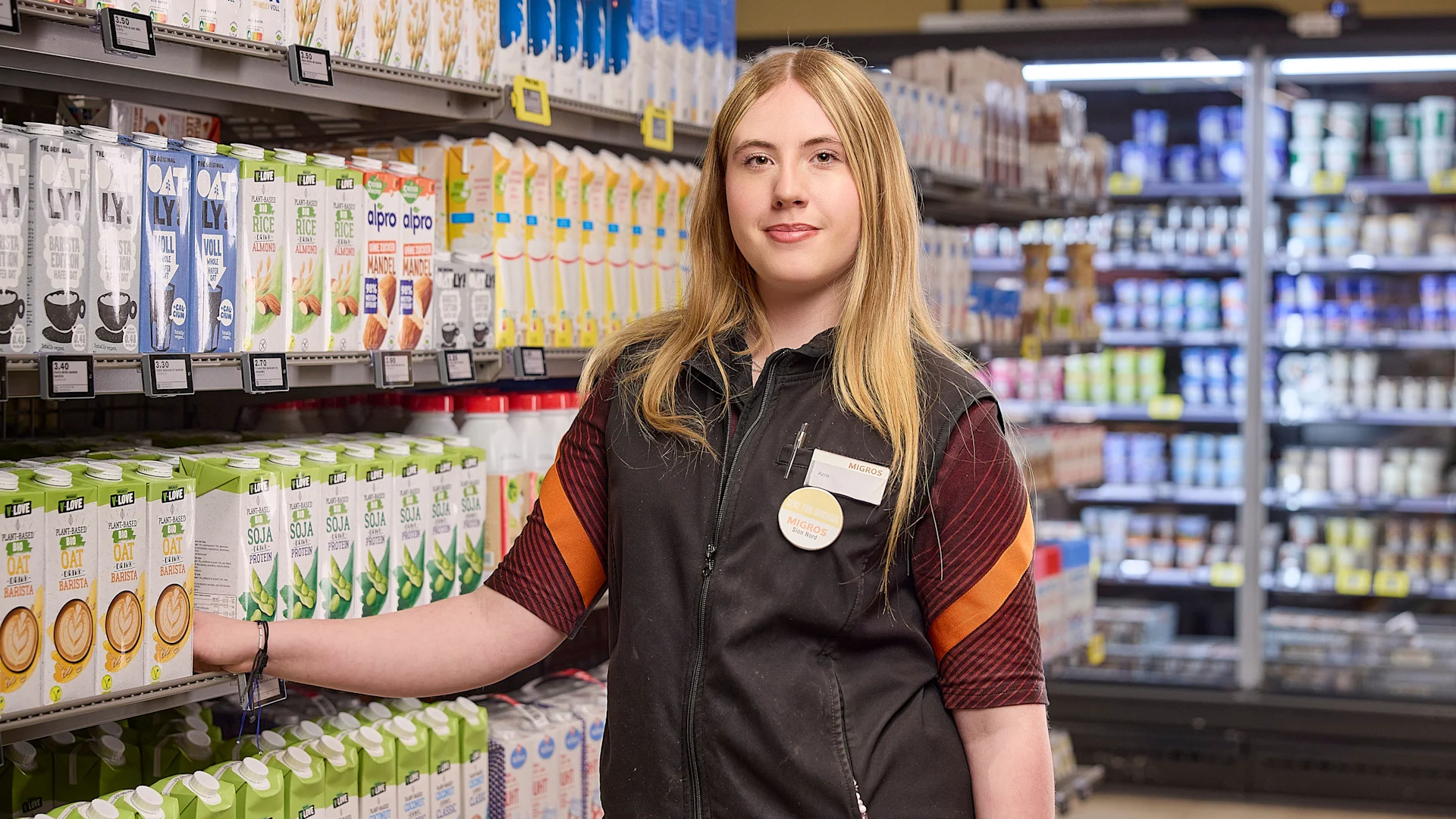
Apprentices ran a Migros store in Sion by themselves. We find out what they learned from the experience.
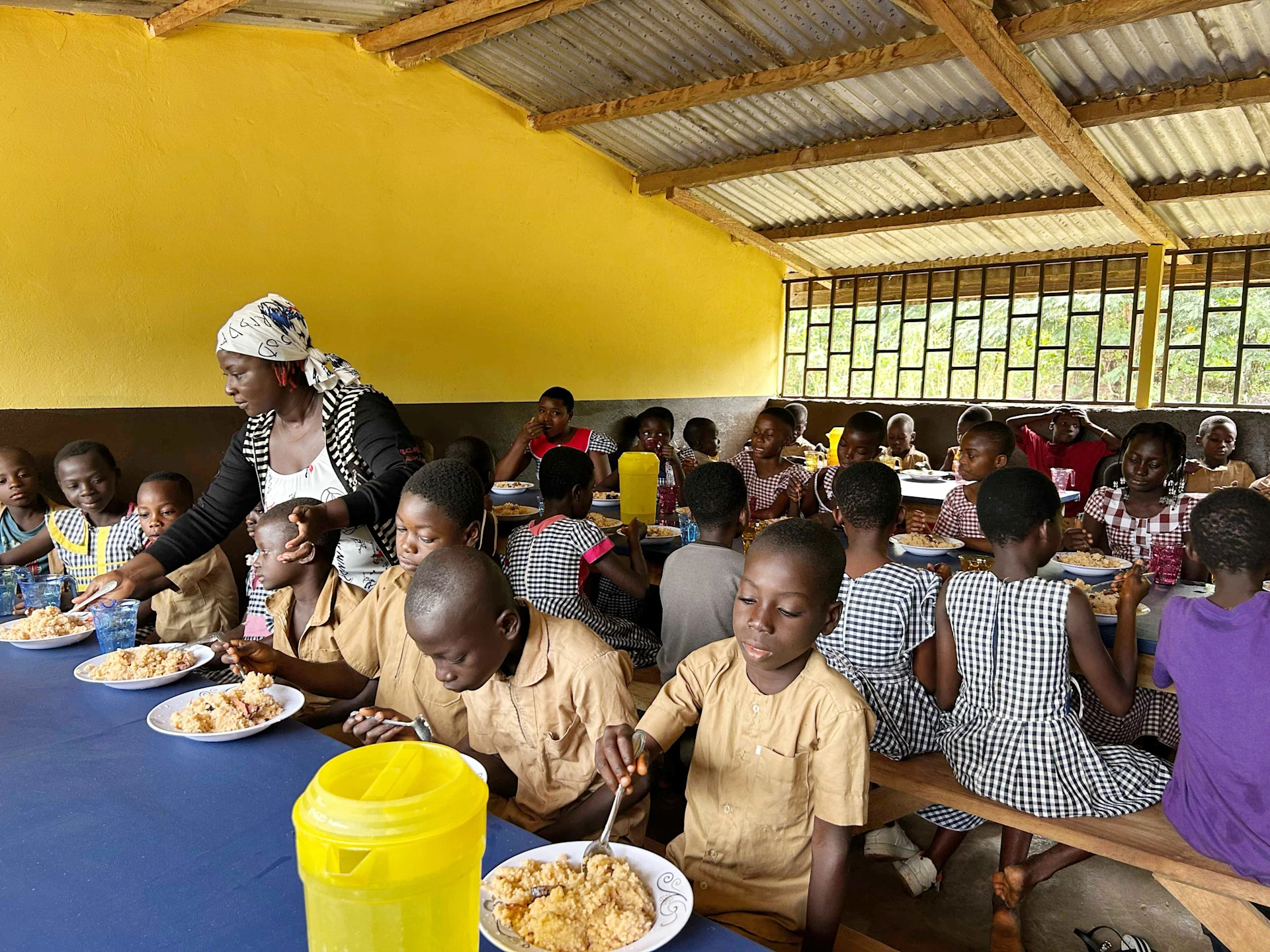
Sustainability
If you buy a bar of "Côte d'Ivoire" chocolate, you will be contributing to a success story in West Africa.
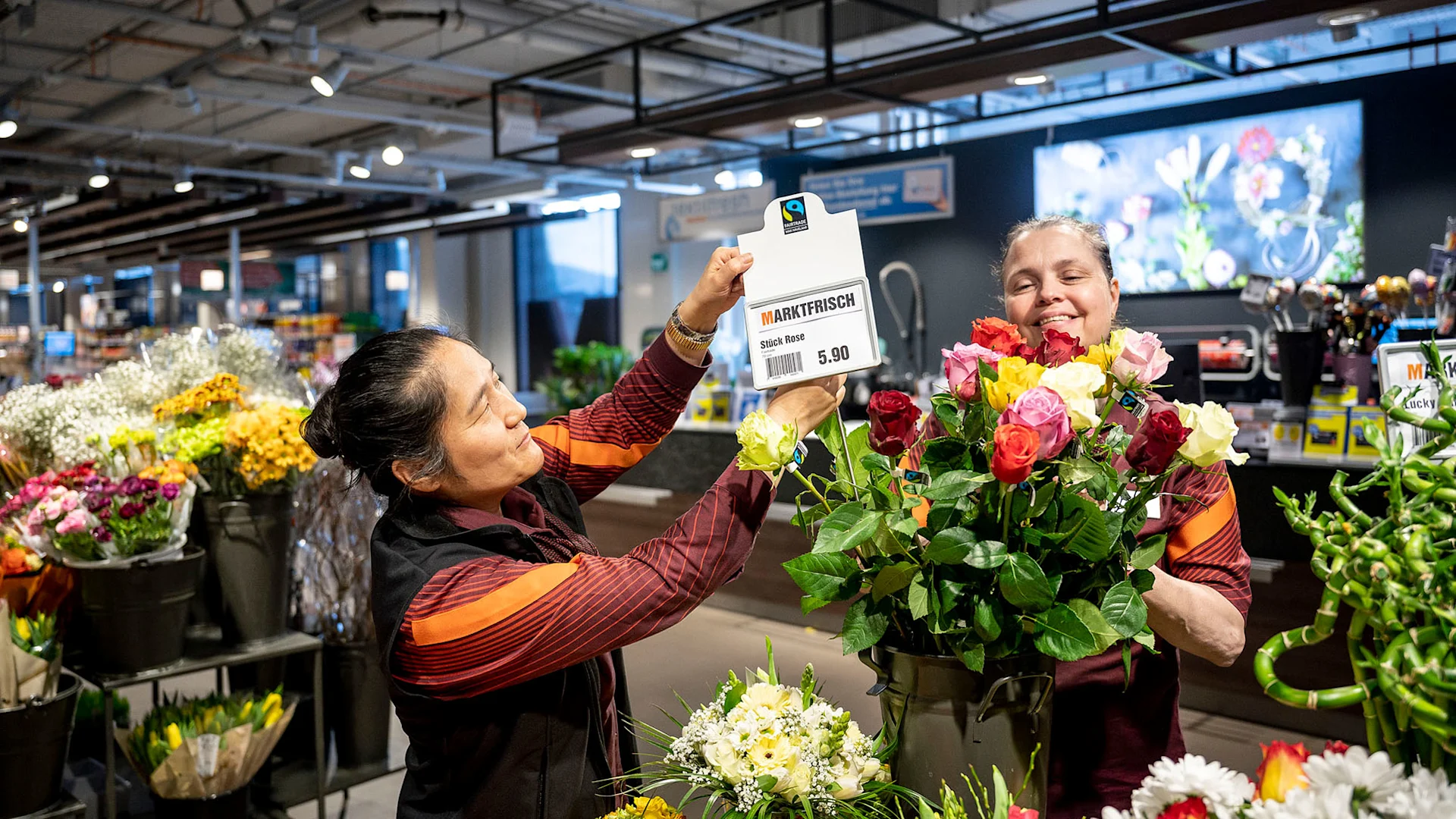
Sustainability
Migros is committed to fairly grown roses and thus supports social and ecological projects.
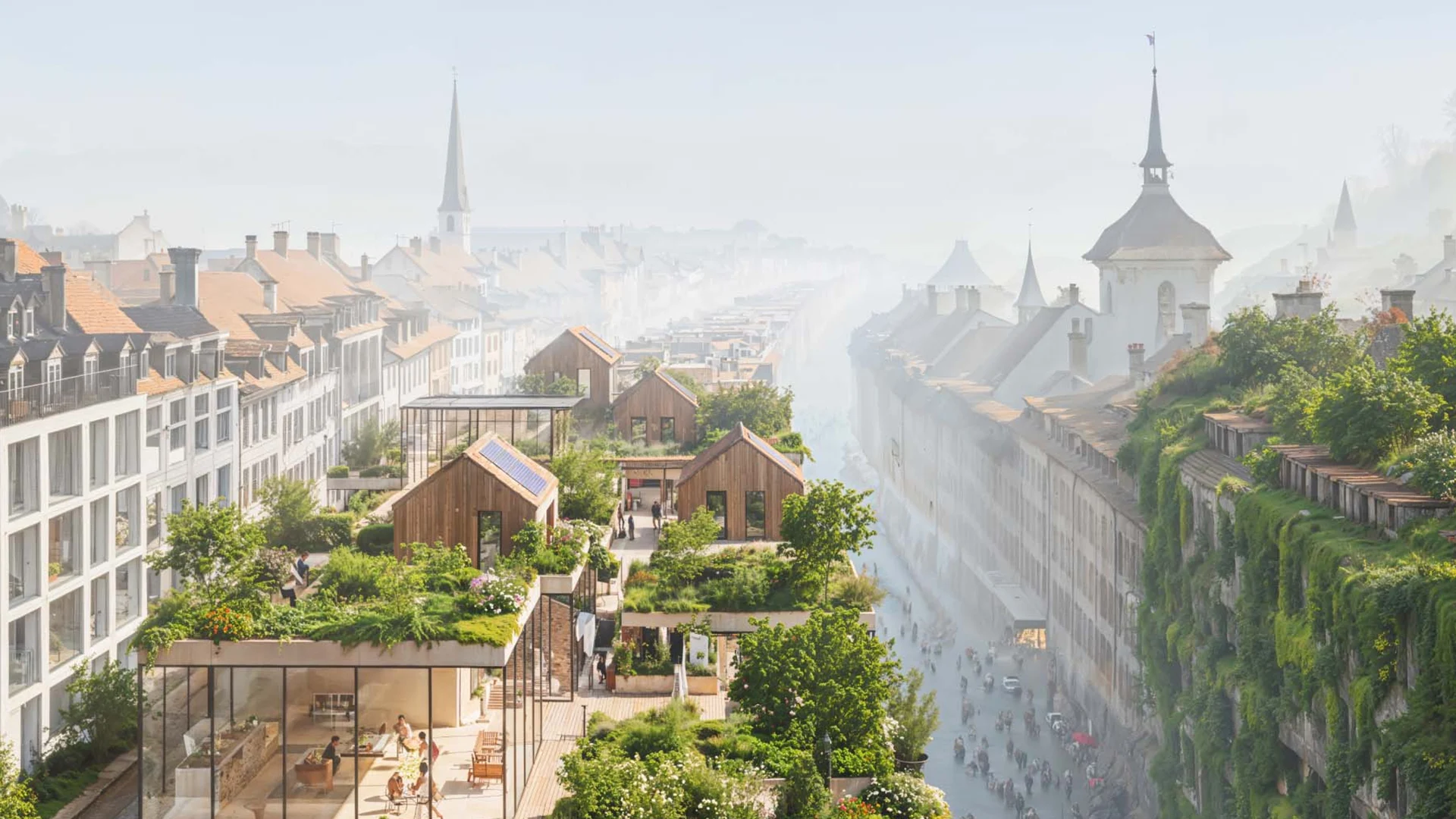
Migros Pioneer Fund
A survey and four scenarios from the Migros Pioneer Fund provide initial pointers.

Migros Industrie
A visit to the bakery, where each individual plaited Zopf loaf is braided by hand.

Supermarket
Migros began making its own products just three years after it was founded. How well do you know them?

Migros anniversary
The many ways Migros celebrated its 100th birthday. A look back at Migros’ centenary.

Work environment
We visited the huge Digitec Galaxus logistics centre, which is a hive of activity over the Christmas period.