Sustainability
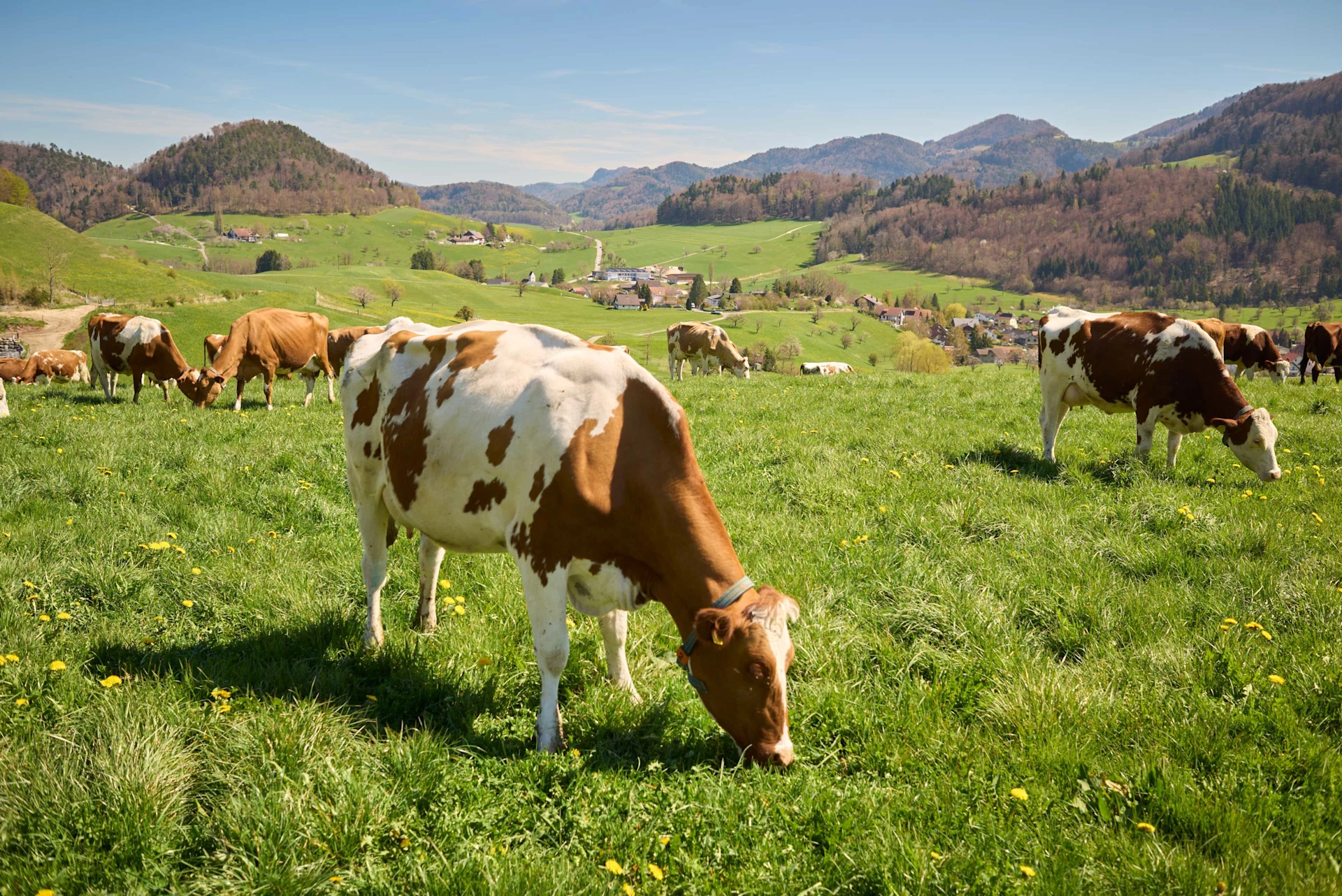
Seven questions about Pamela the model cow
Pamela the dairy cow can currently be seen on a Migros poster. How does farmer Michael Sutter ensure animal welfare?
navigation


Security
Radon is an odourless, carcinogenic gas that occurs naturally in Switzerland and can seep into buildings unnoticed. We explain how to measure it and what you can do about it.
Radon is produced by the decay of uranium-238, which occurs naturally in Switzerland. This breakdown produces solid components like lead-214, which attach themselves to aerosols in the air. If inhaled, they irradiate the respiratory tract. "Radon is radioactive and was classed as 'definitely carcinogenic' by the International Agency for Research on Cancer in 1987. It is the main cause of lung cancer after smoking," Joëlle Goyette Pernot explains.
Radon seeps out of the ground and "all of Switzerland must be regarded as an at-risk area", our expert warns. The federal government has therefore created an interactive radon map on which you can check the risk at every location yourself. Buildings in the Alps and the Jura are particularly affected, although high levels can also be found on the Central Plateau.
This is partly due to geology, but also to our country's glacial history. The granite massifs found in Valais, Ticino and Grisons are rich in uranium-238. In addition, our glaciers have dragged moraines containing uranium-238 everywhere. For this reason, radon can also be found in varying quantities on the Central Plateau and in the Jura Arc.
It penetrates through leaks on the ground floor, such as clay cellars or cracked floor slabs. Once the gas has got into a building, it easily rises to the upper floors via open stairwells or laundry shafts. "However, radon dilutes in the air and its concentration decreases the higher it gets," the expert says.
"Radon is odourless and colourless and doesn't cause symptoms like headaches. The only way to detect it is through measurement," Joëlle Goyette Pernot says. This can be done using small devices known as dosimeters, which are typically placed in various places in the home for a year. Each dosimeter costs about CHF 100.
The Radiation Protection Ordinance of 2017 set the reference value for buildings at 300 Becquerel per cubic metre. Anything above this concentration requires intervention. After all, living in a flat that exceeds this value for many years is hazardous to health. "However, there is no value below which there is no risk whatsoever," the expert adds. The FOPH therefore recommends keeping radon levels as low as possible in rooms that are used regularly (i.e. for at least 15 hours a week).
Ventilation is a temporary emergency measure that is effective in the short term. However, once the window is closed again, radon concentrations return to the same level within a few hours.
"You can, for example, install a self-closing, airtight cellar door or lay a drainage system below the foundations to extract radon-containing soil air and discharge it via the roof," Joëlle Goyette Pernot explains. As every house is unique, the best solution varies from case to case.
With the exception of kindergartens and compulsory schools, there's no obligation to decontaminate buildings. There are only recommendations.
Discover exciting stories about all aspects of Migros, our commitment and the people behind it. We also provide practical advice for everyday life.
All StoriesSustainability
Pamela the dairy cow can currently be seen on a Migros poster. How does farmer Michael Sutter ensure animal welfare?
GDI
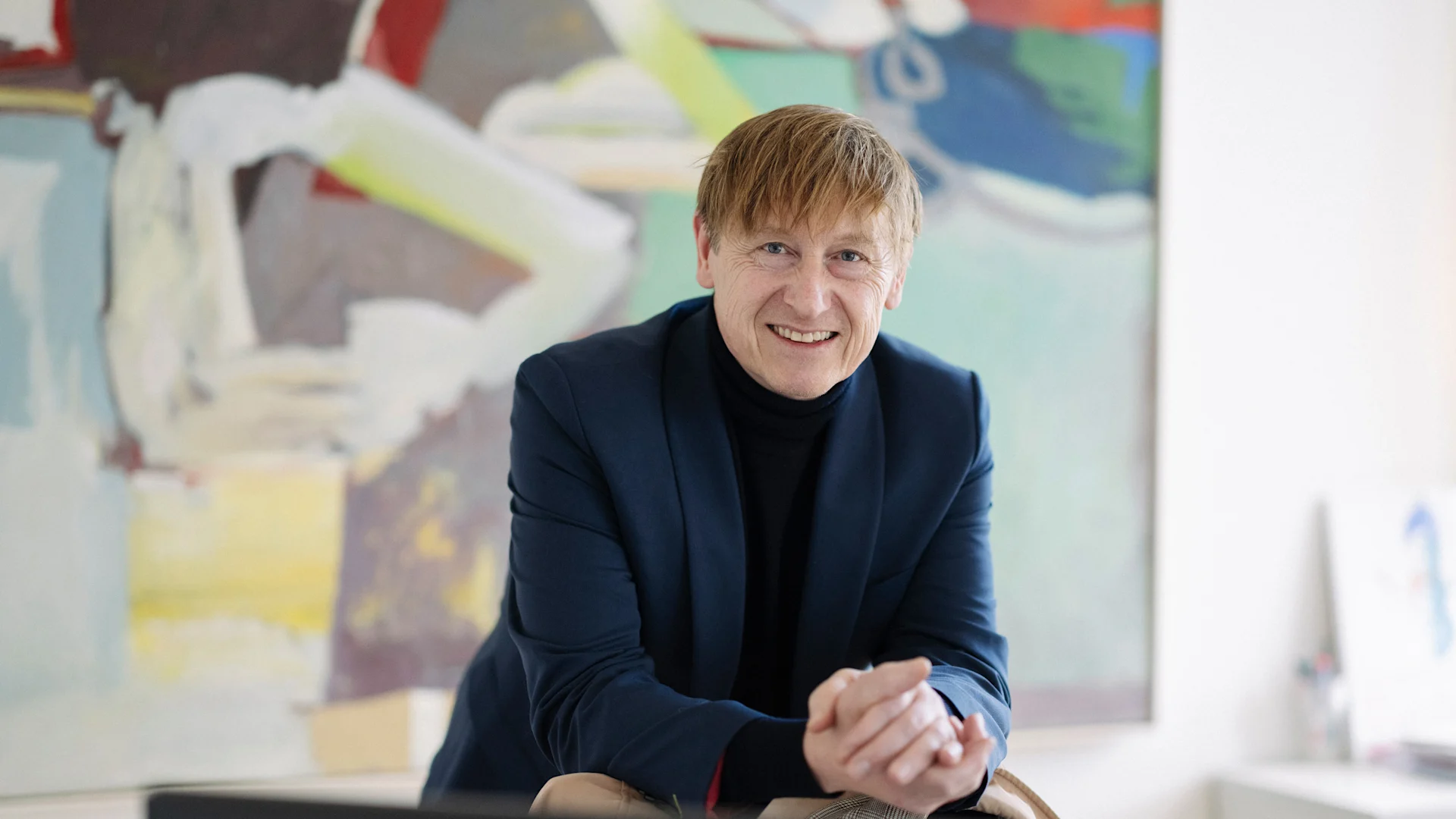
Price supervisor Stefan Meierhans tackles excessively high prices. We asked him how satisfied he is with Migros.

Ticket festival 4–11.5.2026
As a presenting partner of many festivals in Switzerland, Migros offers you an unforgettable summer of festivals.
Interview
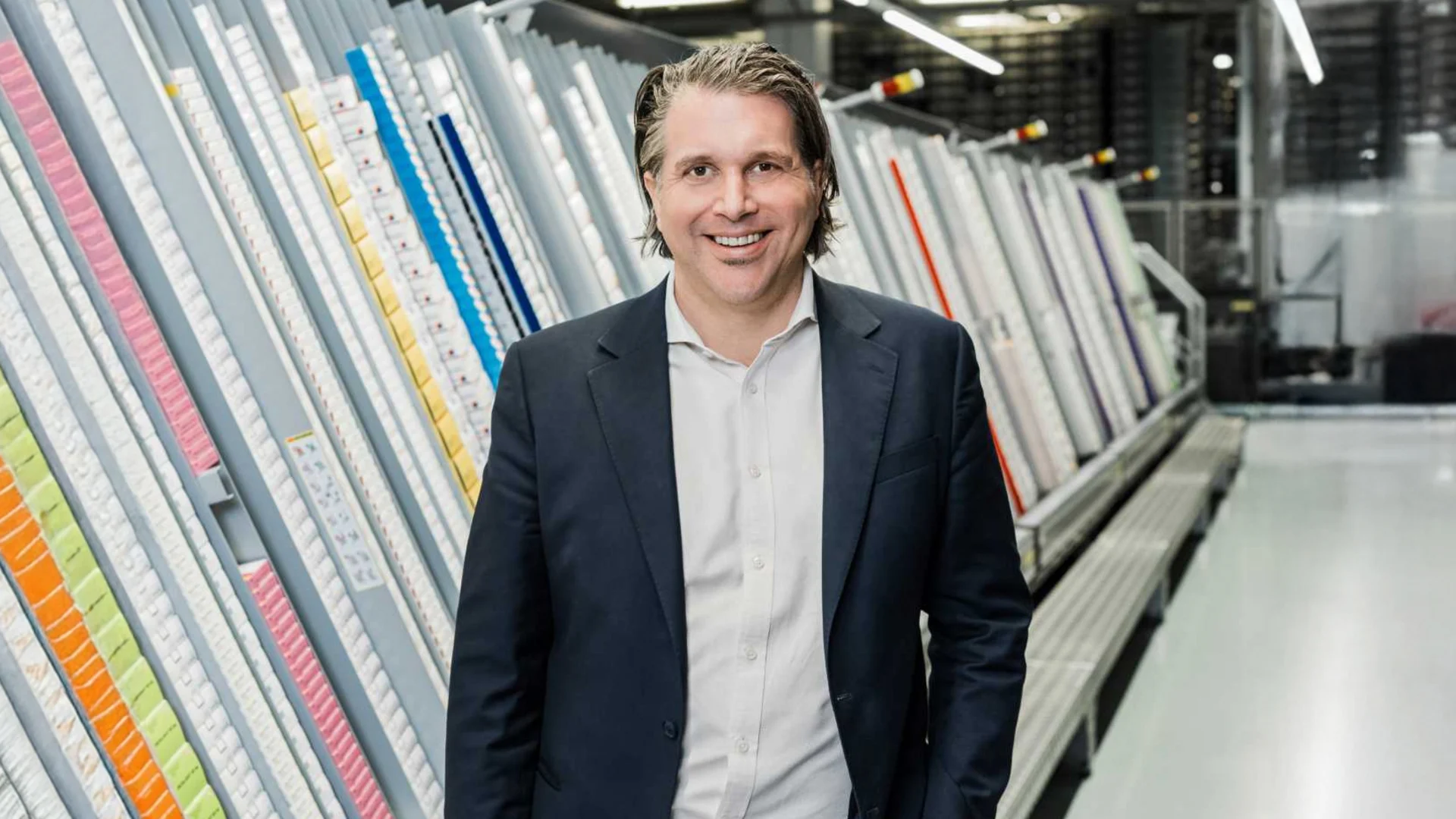
Time and again, medicines are in short supply in Switzerland. We look at why and what to do about it.
Migros Bank
Married couples will soon no longer be taxed jointly. We explain the key points to bear in mind.
Supermarket
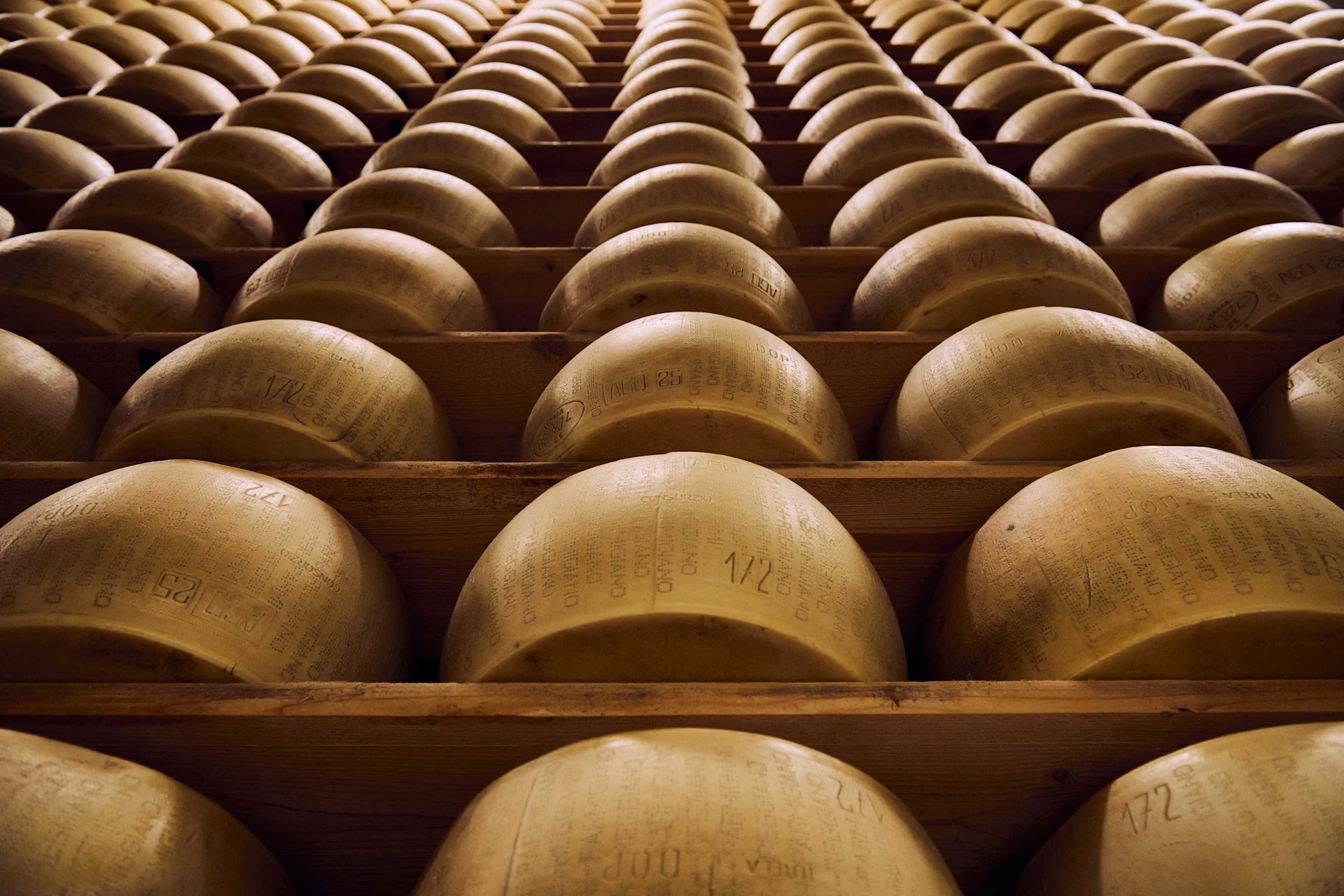
We visit the Italian cheese dairy that makes Parmigiano Reggiano for Migros.
Migros Culture Percentage
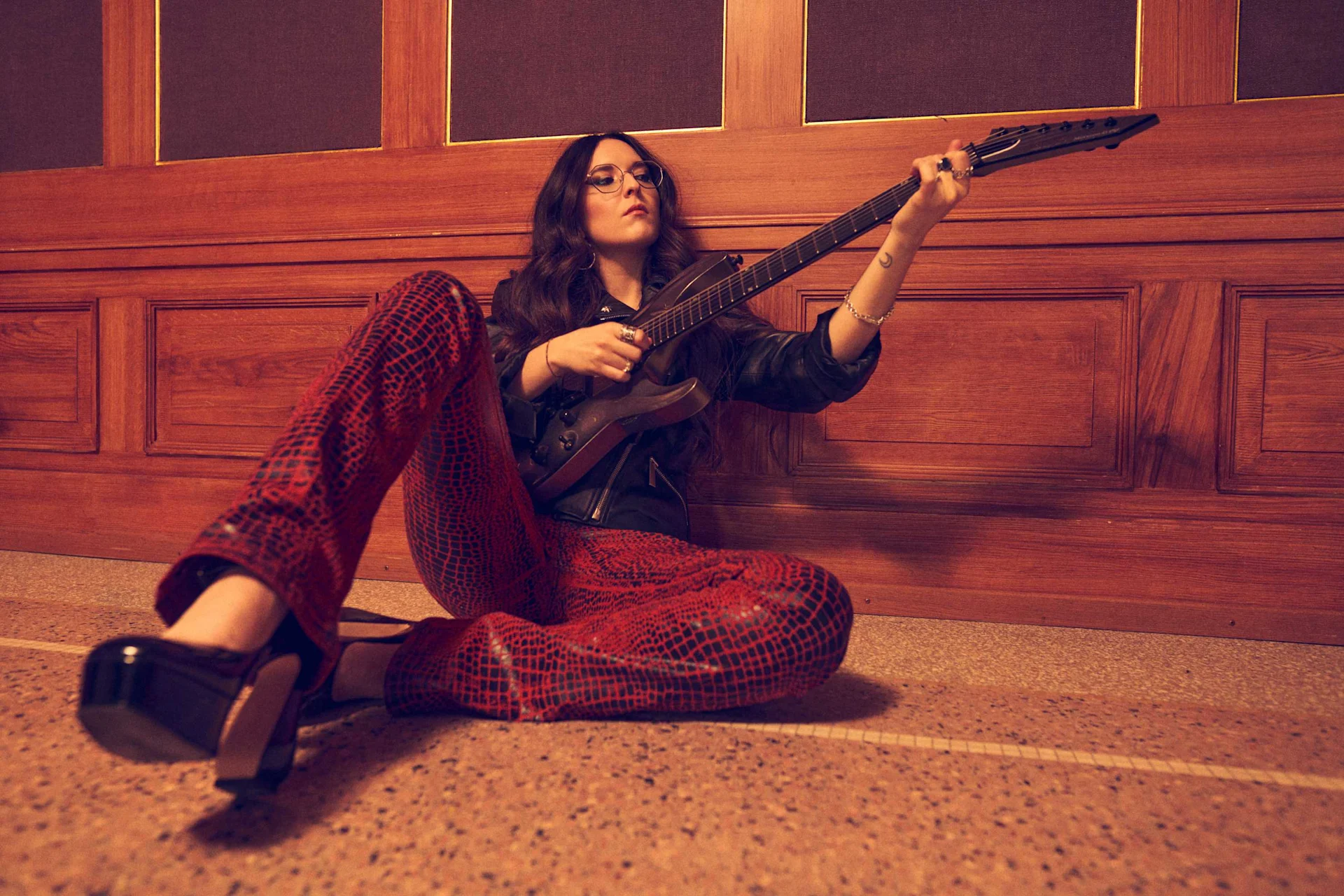
Fusaro will represent Switzerland with her song 'Alice', which addresses the issue of violence against women.

Sustainability
Most of the vegetables found in the frozen food aisle are grown in the St. Gallen Rhine Valley. A visit.

Migros Group
The Migros Group is emerging stronger from its transformation. The most important figures for the 2025 financial year.

Migros Pioneer Fund
A Swiss start-up offers you to travel to Barcelona in your sleep while protecting the environment. We tried out

Supermarket
From the initial idea to production: how Easter bunnies are created for Migros and who belongs to the bunny-making team.

Food waste
Any meat products that remain unsold shortly before their use-by date are frozen and then sold at half price.