Sustainability
Seven questions about Pamela the model cow
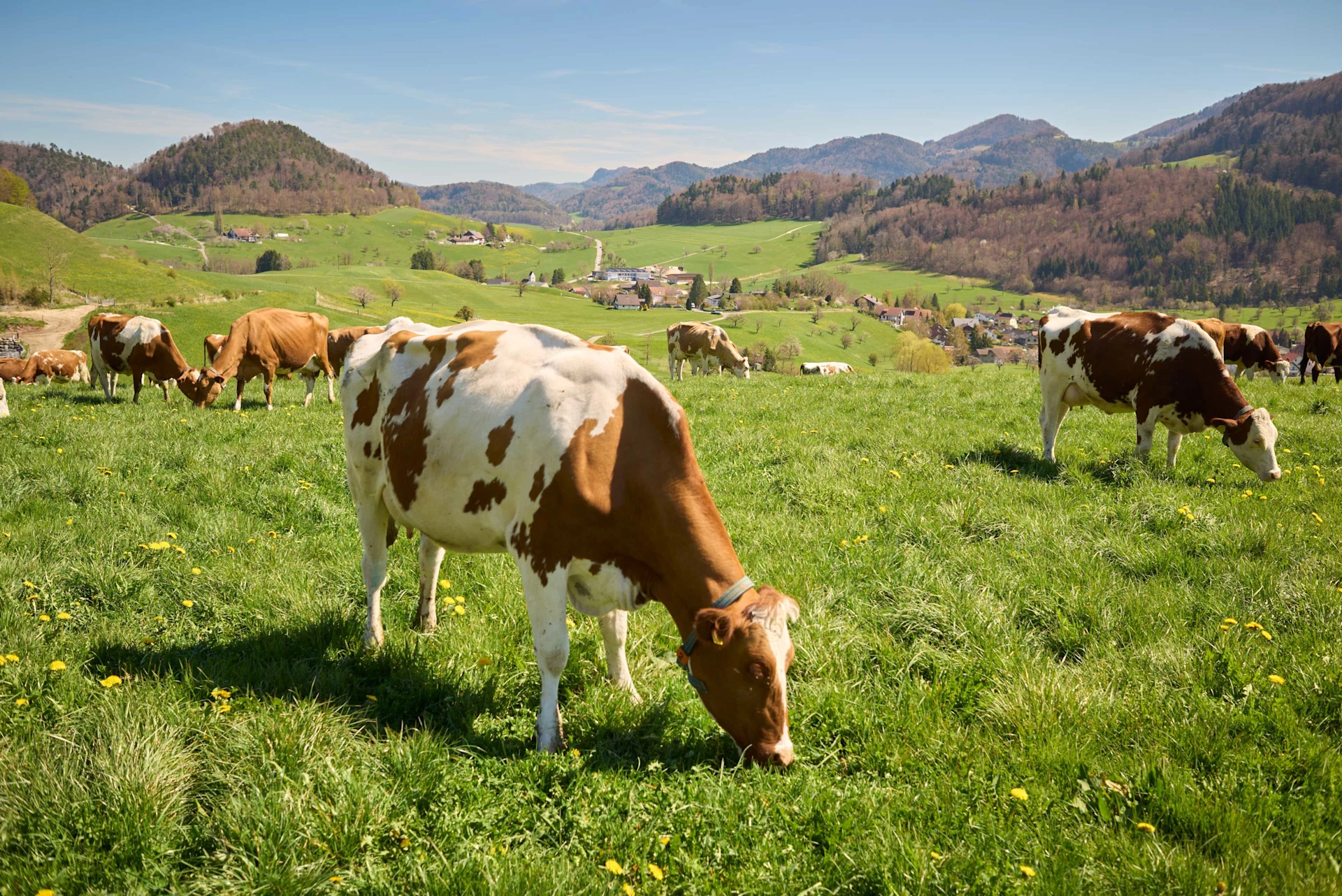
Pamela the dairy cow can currently be seen on a Migros poster. How does farmer Michael Sutter ensure animal welfare?
navigation


Interview
Sports physiotherapist Lukas Zenger is preparing Switzerland's bob-sleigh, skeleton and luge athletes for the World Cup – and the Olympic Games.
The Olympic Games begin in Cortina in a fortnight's time. How many of your charges will be there?
In the best-case scenario, all of our bob-sleigh, skeleton and luge teams will qualify. Including stand-ins, that would be 27 athletes, for whom a maximum of three physiotherapists will be on hand in Italy.
Will you be there too?
That won't be decided until the week before the start of the Games. The Swiss Sliding team consists of the bob-sleigh, luge and skeleton athletes, all of whom still have competitions that will decide who is selected. But there's a good chance that at least some of them will be competing in Cortina.
If you do go, what will you do there during the Games?
We're already involved in the training on the ice track and provide the athletes with physiotherapeutic support. Sometimes, we also film the training rides for analytical purposes. The days can be long.
How do you get the athletes fit for the Olympics?
My job is to lay the foundations that allow the athletes to concentrate fully on the race without being distracted by pain or tension. As part of this, I employ the entire gamut of physiotherapeutic measures, from dry needling to shock wave therapy. For example, I use sterile needles to relieve muscle tension and a shock-wave device to direct high-energy acoustic waves into the tissues in a targeted manner. This alleviates pain and accelerates the healing process.
What fascinates you about bob-sledding?
Bob sledders are basically track and field athletes who have to sprint as fast as possible. But they weigh approximately 100 kilograms, so the acceleration puts more strain on their joints and muscles. Since every kilogramme increases the speed on the ice, the team and sled must come as close as possible to the maximum permitted weight of 630 kilograms. A four-man sled weighs at least 210 kilograms, which they must carry around and flip over. As a result, I then have to deal with back pain or muscle injuries.
You spend a lot of time with the athletes. How important is moral support?
Very important. The athletes sometimes vent their frustration to me, for example when they aren't picked for a race. It makes me happy if the athletes trust me.
How big a role do you play in an athlete's success?
Not that big. Just as with other winter sports, bob-sledders are made in the summer. The basic training is extremely important. We only come into play during the winter season, when we treat the complaints that arise.
Do you get nervous when "your" athletes hurtle down the ice track?
Yes, I get tense. But it used to be worse. I would think about everything that could happen at the start and how I would have to react.
I was once allowed to sit behind the pilot in a bob-sled. That was a great experience.
Have you ever hurtled down an ice track yourself in any form?
I was once allowed to sit behind the pilot in a bob-sled. That was a great experience. It helped me to better understand the forces that the athletes are exposed to.
Recreational athletes only need a sports physiotherapist if they get injured. What's the difference to top athletes?
Just like many amateur athletes, elite athletes want to be able to train again as quickly as possible. Experience shows that it usually takes a little longer! That's precisely what you don't have in elite sport. The pressure is higher and you can't always go by the book.
What do you mean?
In traditional sports injuries like a rupture of the cruciate ligament, the rehabilitation is relatively clearly defined. However, elite athletes often suffer from overuse injuries or overstressed tendon insertions or joints. Sometimes, I have to work together with the athlete to find the cause of the problem.
What tips do you have to support the healing process?
Exercise as much as possible. In the past, the rule of thumb for muscle injuries was to take it easy. Today, we recommend that you return to strenuous exercise within days. Blood circulation supports healing, and movement is the best way to supply the muscles with blood. You must also do your exercises diligently, not just during physio sessions.
Do you have an insider's tip for amateur athletes who want to stay healthy all winter?
Strength training! And be active all year round.
Discover exciting stories about all aspects of Migros, our commitment and the people behind it. We also provide practical advice for everyday life.
All StoriesSustainability
Pamela the dairy cow can currently be seen on a Migros poster. How does farmer Michael Sutter ensure animal welfare?

GDI
Price supervisor Stefan Meierhans tackles excessively high prices. We asked him how satisfied he is with Migros.

Ticket festival 4–11.5.2026
As a presenting partner of many festivals in Switzerland, Migros offers you an unforgettable summer of festivals.

Interview
Time and again, medicines are in short supply in Switzerland. We look at why and what to do about it.

Migros Bank
Married couples will soon no longer be taxed jointly. We explain the key points to bear in mind.
Supermarket
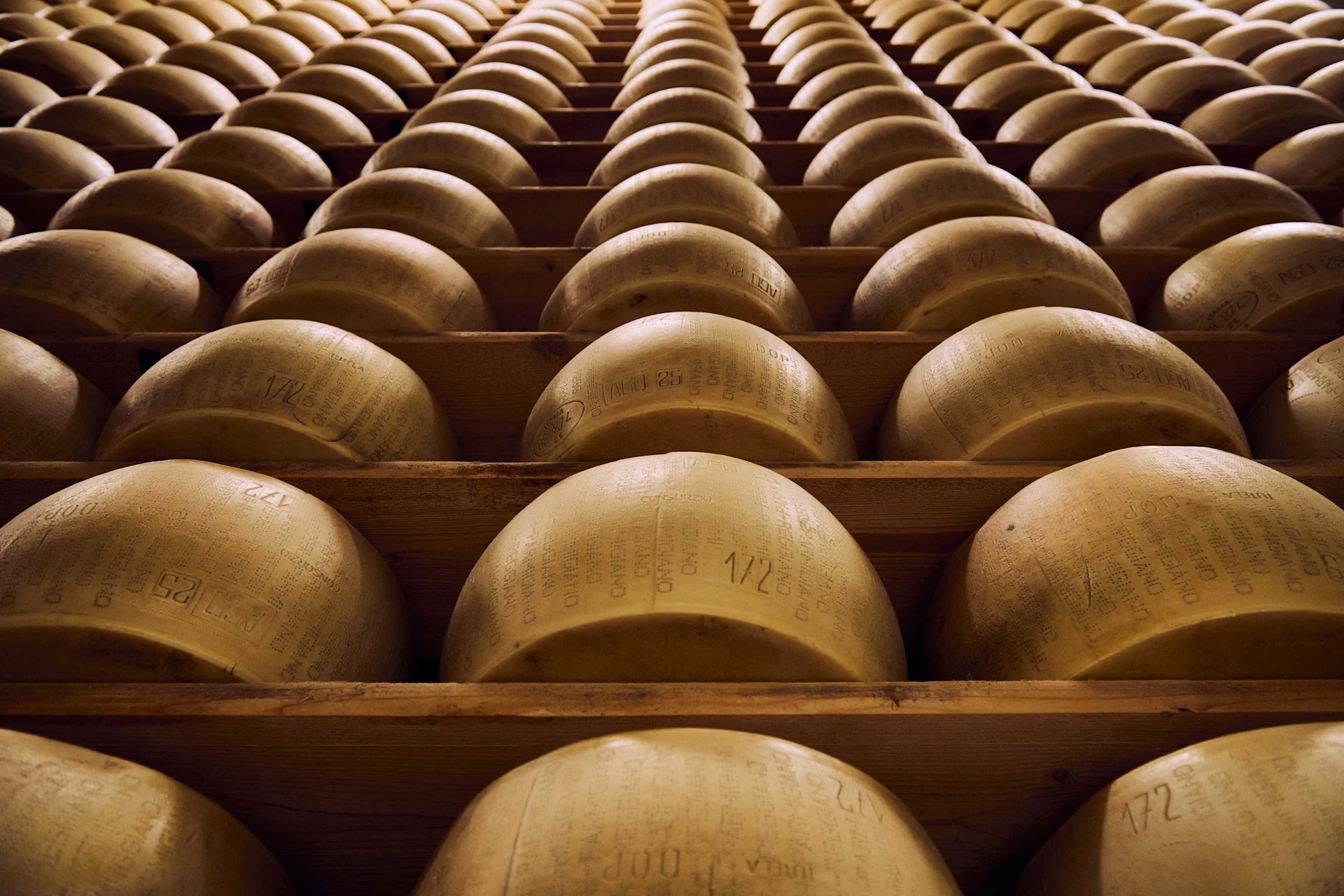
We visit the Italian cheese dairy that makes Parmigiano Reggiano for Migros.

Migros Culture Percentage
Fusaro will represent Switzerland with her song 'Alice', which addresses the issue of violence against women.

Sustainability
Most of the vegetables found in the frozen food aisle are grown in the St. Gallen Rhine Valley. A visit.

Migros Group
The Migros Group is emerging stronger from its transformation. The most important figures for the 2025 financial year.

Migros Pioneer Fund
A Swiss start-up offers you to travel to Barcelona in your sleep while protecting the environment. We tried out

Supermarket
From the initial idea to production: how Easter bunnies are created for Migros and who belongs to the bunny-making team.

Food waste
Any meat products that remain unsold shortly before their use-by date are frozen and then sold at half price.