Sustainability
Seven questions about Pamela the model cow
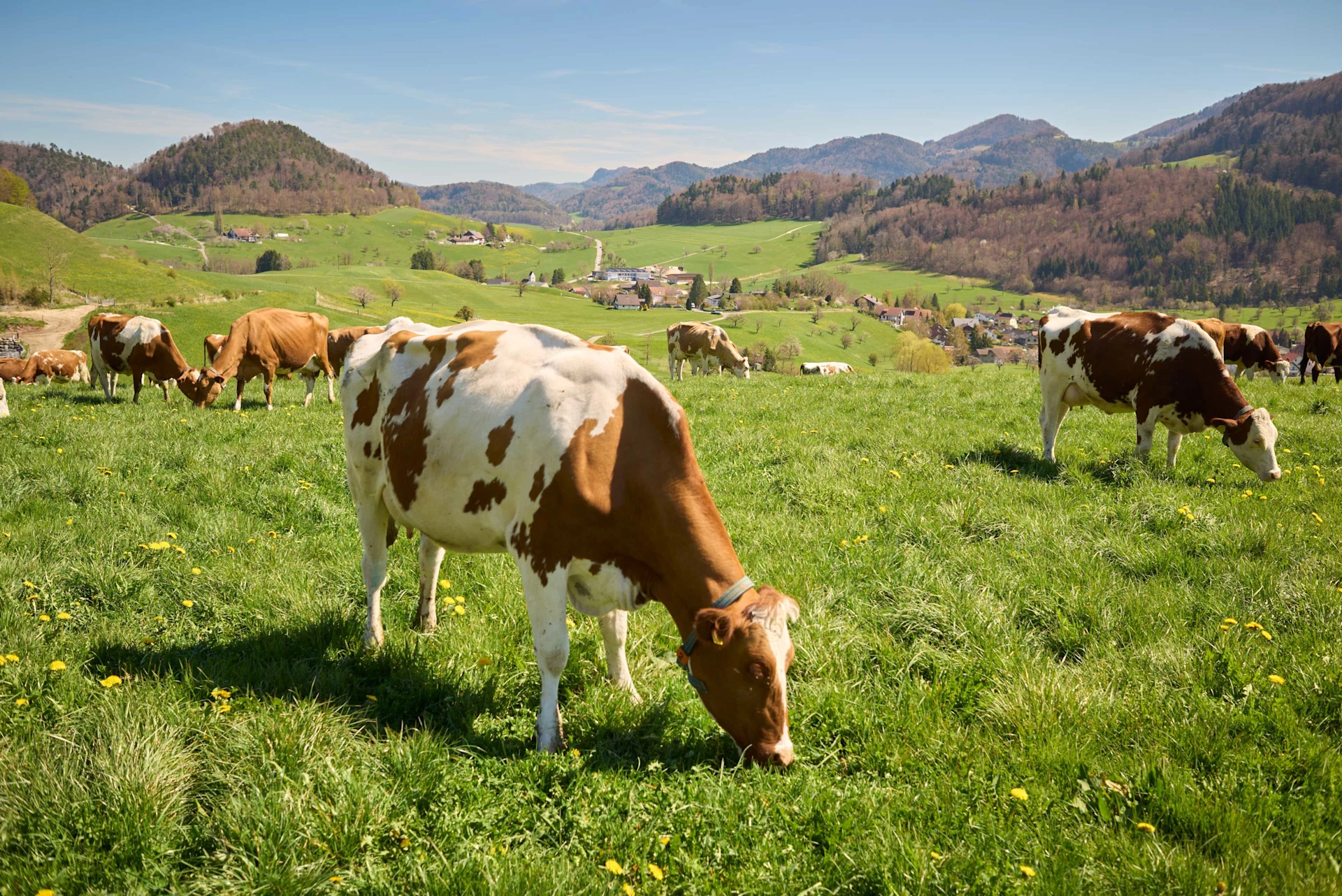
Pamela the dairy cow can currently be seen on a Migros poster. How does farmer Michael Sutter ensure animal welfare?
navigation


Interview
Niels Hintermann, a ski racer from Zurich, was one of the world's top skiers. Then he contracted cancer. We spoke to him about happiness.
When was the last time you were really happy?
I've constantly been happy since February, when I finished radiotherapy. I'm now considered cancer-free. It's wonderful to be able to return to my job as a ski racer. It feels like a great privilege.
Has happiness meant something different for you since you developed lymphatic cancer?
No. But I'm more conscious of the happy moments in my life again. This could be a games evening with my family or a meal with friends. Being able to train normally and having sore muscles is also something that I enjoy more than I used to.
Have you discovered any new hobbies as a result of your illness?
No. But because my body quickly reached its limits and I couldn't train much, I had time for all those things I've always enjoyed doing, such as cooking. Having discovered chestnut soup at a hotel in Zermatt, I immediately tried to make it at home, and it turned out really well.
You were diagnosed with lymphatic cancer shortly after your wedding. How did you deal with this as a couple?
The eight weeks of chemotherapy and two weeks of radiotherapy weren't easy. It brought my everyday life to a screeching halt. As a result, I was at home more often and my wife and I had more time for one another. Fortunately, my physical health was mostly pretty good. In January, we spontaneously travelled to northern Norway with her parents and brother to see the Northern Lights. It was a dream that I wouldn't otherwise have been able to fulfil during my active skiing career.
How close did you feel to death?
The chief medical officer of the Swiss Ski Association gave me my diagnosis on a Tuesday evening. He told me right away that it was a well-researched type of cancer with a high chance of recovery, not a matter of life and death. But I wasn't able to discuss the procedure with the oncologist until Friday. Those two days in between felt endless.
As a ski racer, you hurl yourself down icy pistes at more than 140 kilometres per hour. How often is this life threatening?
As a spectator, it's easy to forget that we don't simply launch ourselves down the slopes in Bormio or Kitzbühel from one day to the next. Over time, I've learnt to gauge the dangers and my own limits - not least due to injury. But there are too many serious accidents at the moment.
Does skiing make you happy?
Definitely. There's nothing quite like the quiet, early-morning hours spent training on a glacier in Chile or Zermatt. I've learned to appreciate sunrises all over again.
What was your happiest moment as a skier?
The happiest moment of my life was not in a ski outfit, but a suit: at my wedding.
You've already ended up on the podium several times. How closely do performance, success and happiness relate to one another?
Happiness isn't success. I'm happy that I was able to turn my passion into a career. A podium finish only gives you a short-term high. The greatest joy for me is that I can come home in the evening, knowing someone is waiting there for me. I'm also happy to live in Switzerland, where we have such good healthcare.
The greatest joy for me is that I can come home in the evening, knowing someone is waiting there for me.
Did your previous success motivate you to make a comeback?
Of course. Skiing hasn't become unimportant to me – on the contrary. I still want to win and I'm still ambitious.
Amateur athletes sometimes talk of a "runner's high" or say they feel better after an hour wearing themselves out. Do professionals also experience this feeling of happiness after engaging in sport?
You always feel better after exercising because it causes the body to release endorphins. Except that after a three-hour strength training session or high-intensity interval training, I sometimes feel physically sick. That's the difference in professional sport. But I also do sport for fun, such as golfing with my wife and her parents.
Hard training, a high risk of injury, painful ski boots ...
They really do hurt a lot! I wear size 45 shoes, but my ski boots are size 43.
... What's the relationship between suffering and happiness in your profession?
I know why I have to push myself. Training makes me stronger. I can feel the progress. Physically, I was back at a high level surprisingly quickly after the illness. Now everything has to come together on the pistes.
You attended a sports school in Austria from as young as ten. Was that a happy time for you?
The first six months were tough. I was a foreigner and felt like an outsider. Ten-year-old kids can be pretty nasty. They played horrible tricks on me. That wasn't nice. But it strengthened my resilience and I also learned how to approach others in order to be better accepted. In the end, I had a great time.
How much is happiness a matter of attitude, i.e. mental training?
Attitude is important. How you look at something makes a difference. There's always something positive somewhere. If you manage to filter this out from the negative aspects, you can embrace the good. My cancer wasn't nice, but it enabled me to spend precious moments with my wife and family. I met some great people, not least those who always believed in me, like my main sponsor.
What would make you happy in the future?
To be able to really enjoy the time I have left. And for my family and I to stay healthy. I'd also be happy to engage in sport at the highest level again. Last but not least, maybe my story will give other people hope. That would make me happy.
Discover exciting stories about all aspects of Migros, our commitment and the people behind it. We also provide practical advice for everyday life.
All StoriesSustainability
Pamela the dairy cow can currently be seen on a Migros poster. How does farmer Michael Sutter ensure animal welfare?
GDI
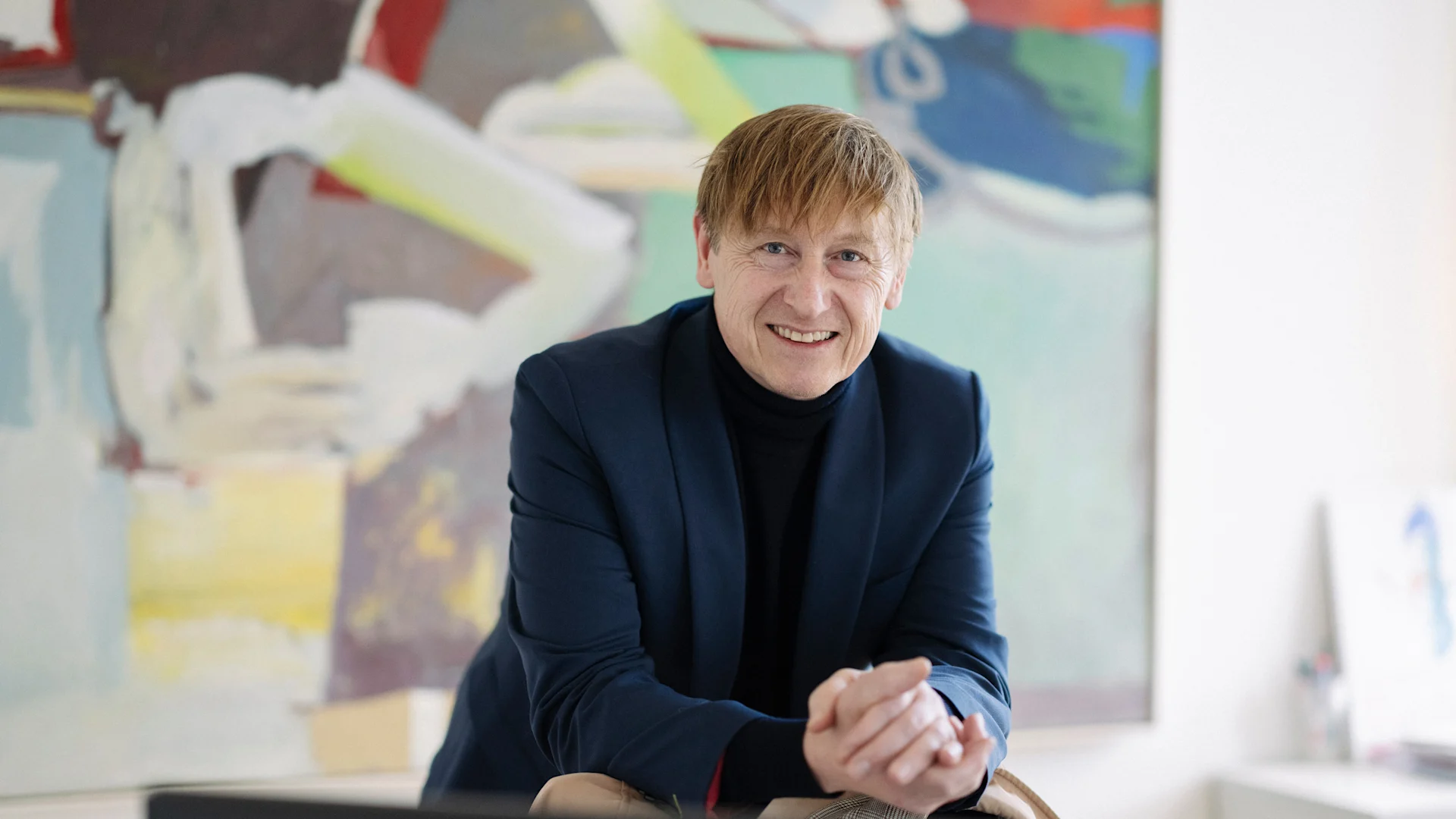
Price supervisor Stefan Meierhans tackles excessively high prices. We asked him how satisfied he is with Migros.
Ticket festival 4–11.5.2026
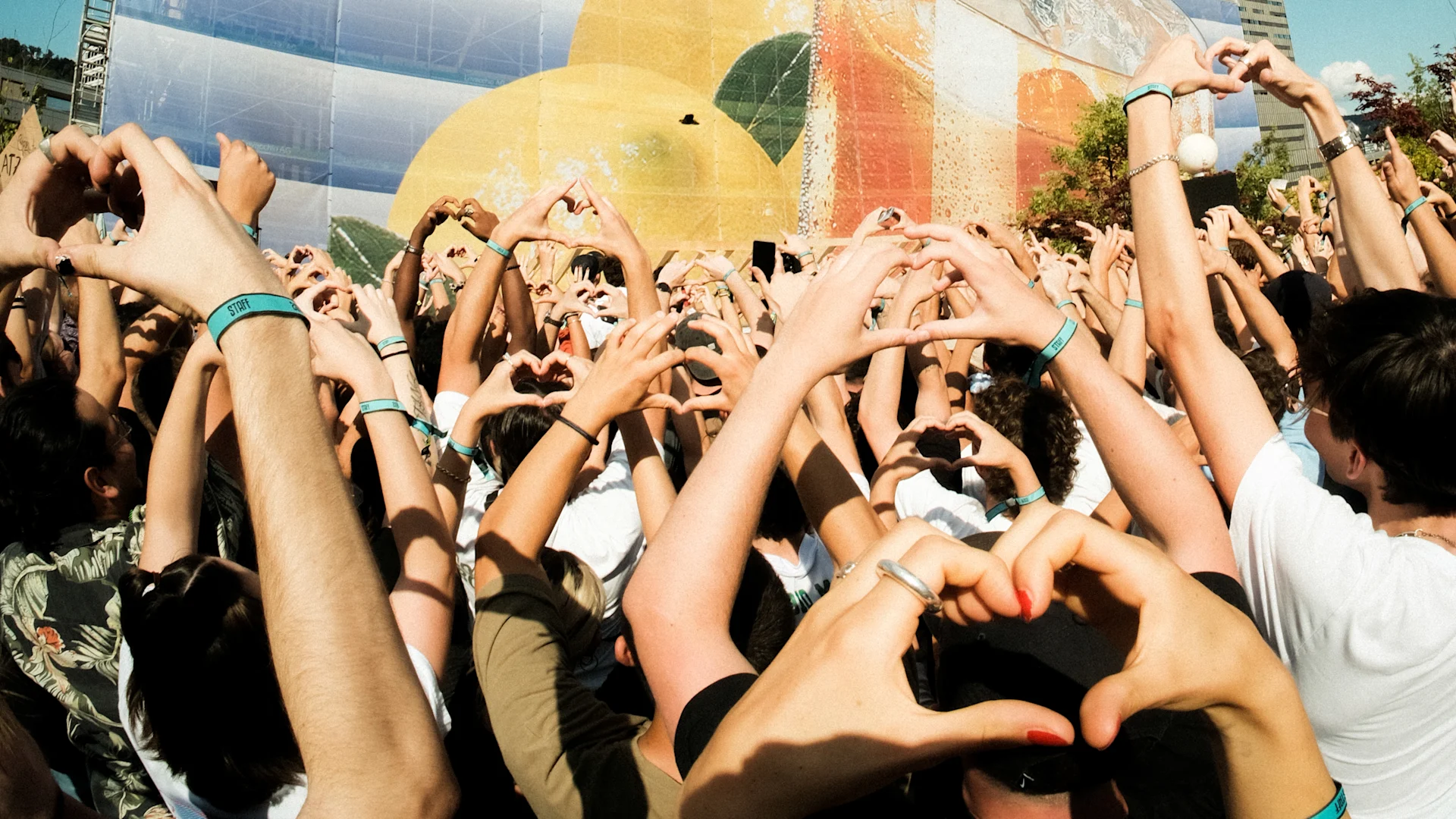
As a presenting partner of many festivals in Switzerland, Migros offers you an unforgettable summer of festivals.
Interview
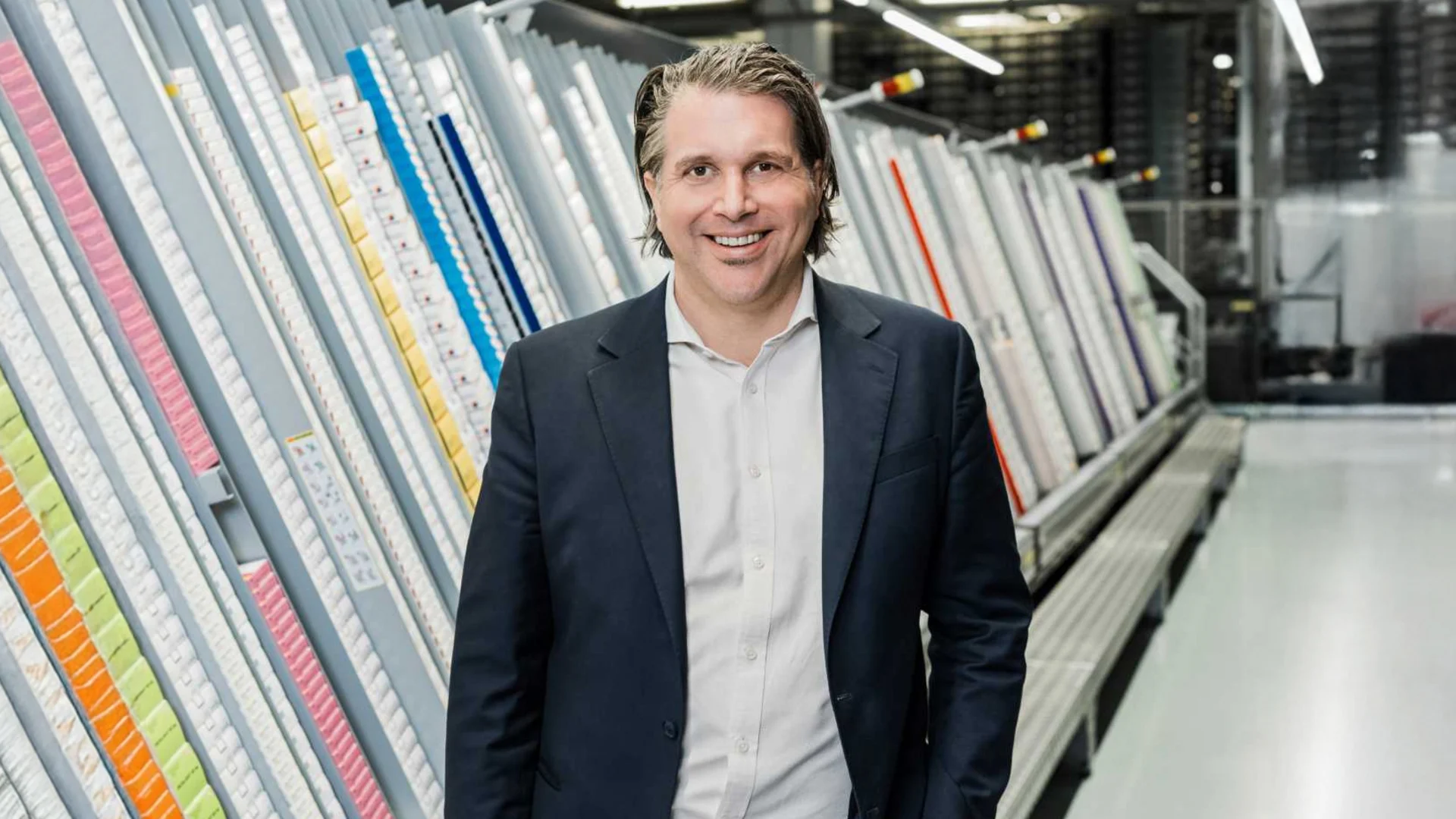
Time and again, medicines are in short supply in Switzerland. We look at why and what to do about it.

Migros Bank
Married couples will soon no longer be taxed jointly. We explain the key points to bear in mind.
Supermarket
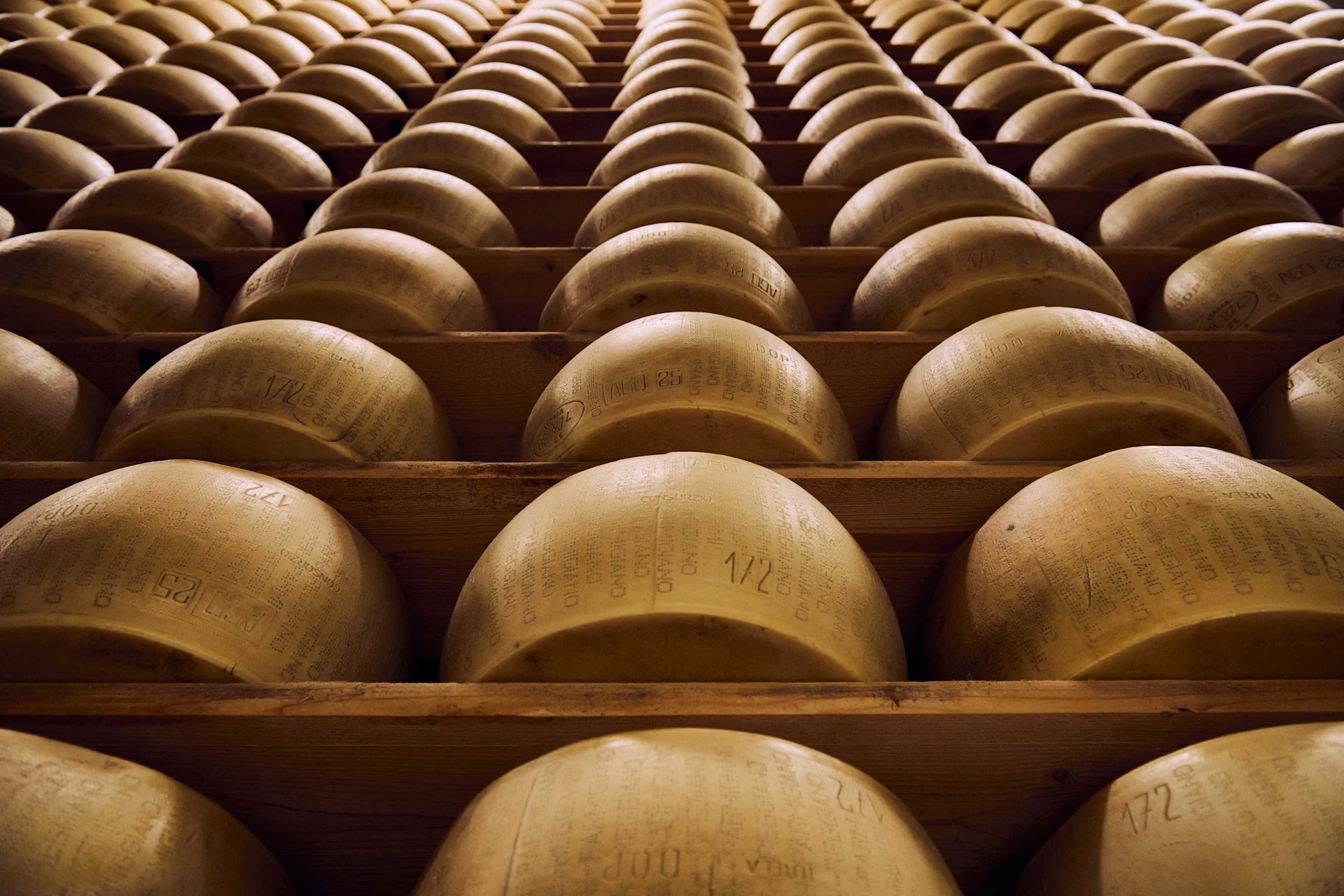
We visit the Italian cheese dairy that makes Parmigiano Reggiano for Migros.
Migros Culture Percentage
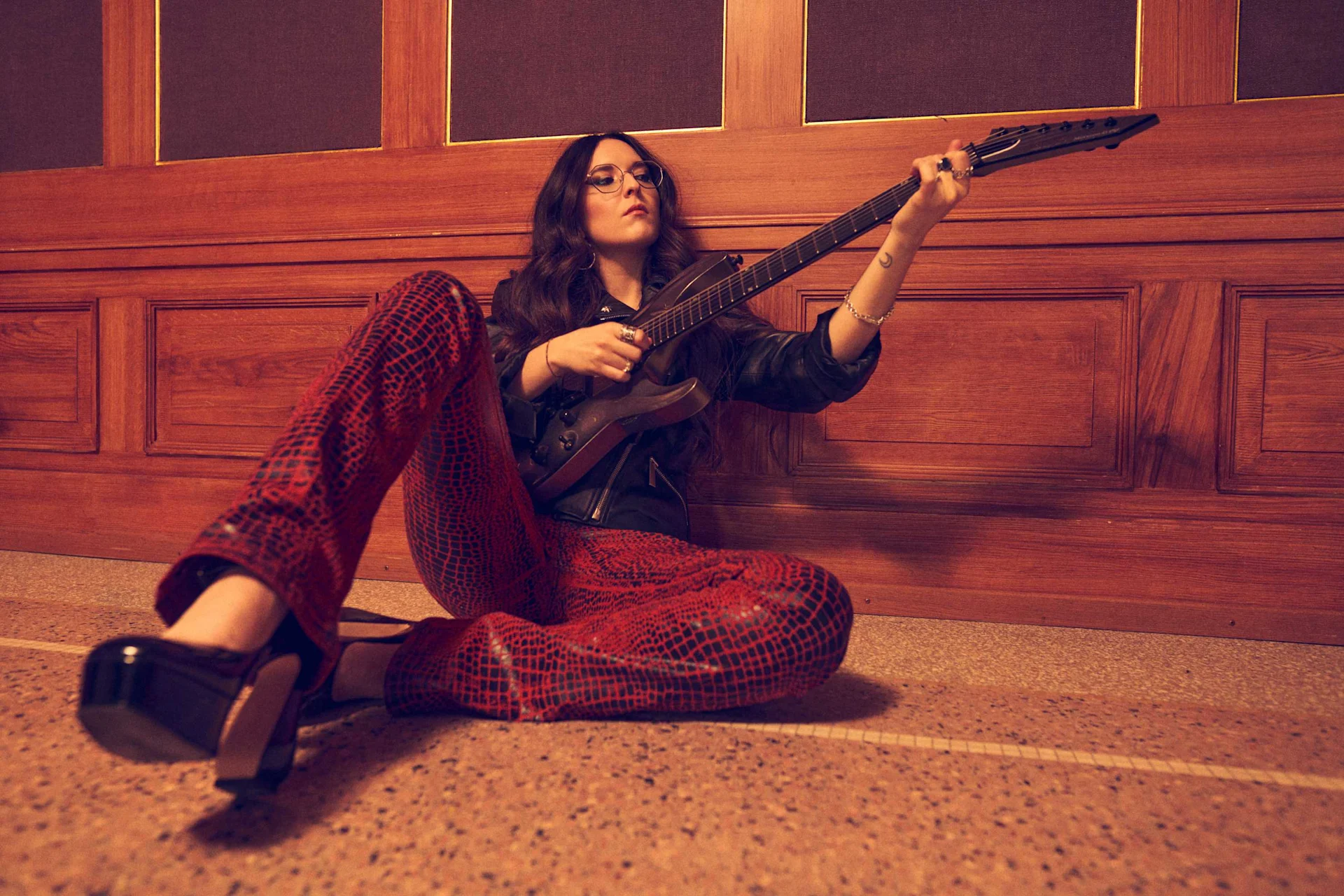
Fusaro will represent Switzerland with her song 'Alice', which addresses the issue of violence against women.

Sustainability
Most of the vegetables found in the frozen food aisle are grown in the St. Gallen Rhine Valley. A visit.

Migros Group
The Migros Group is emerging stronger from its transformation. The most important figures for the 2025 financial year.

Migros Pioneer Fund
A Swiss start-up offers you to travel to Barcelona in your sleep while protecting the environment. We tried out

Supermarket
From the initial idea to production: how Easter bunnies are created for Migros and who belongs to the bunny-making team.

Food waste
Any meat products that remain unsold shortly before their use-by date are frozen and then sold at half price.