Sustainability
Seven questions about Pamela the model cow
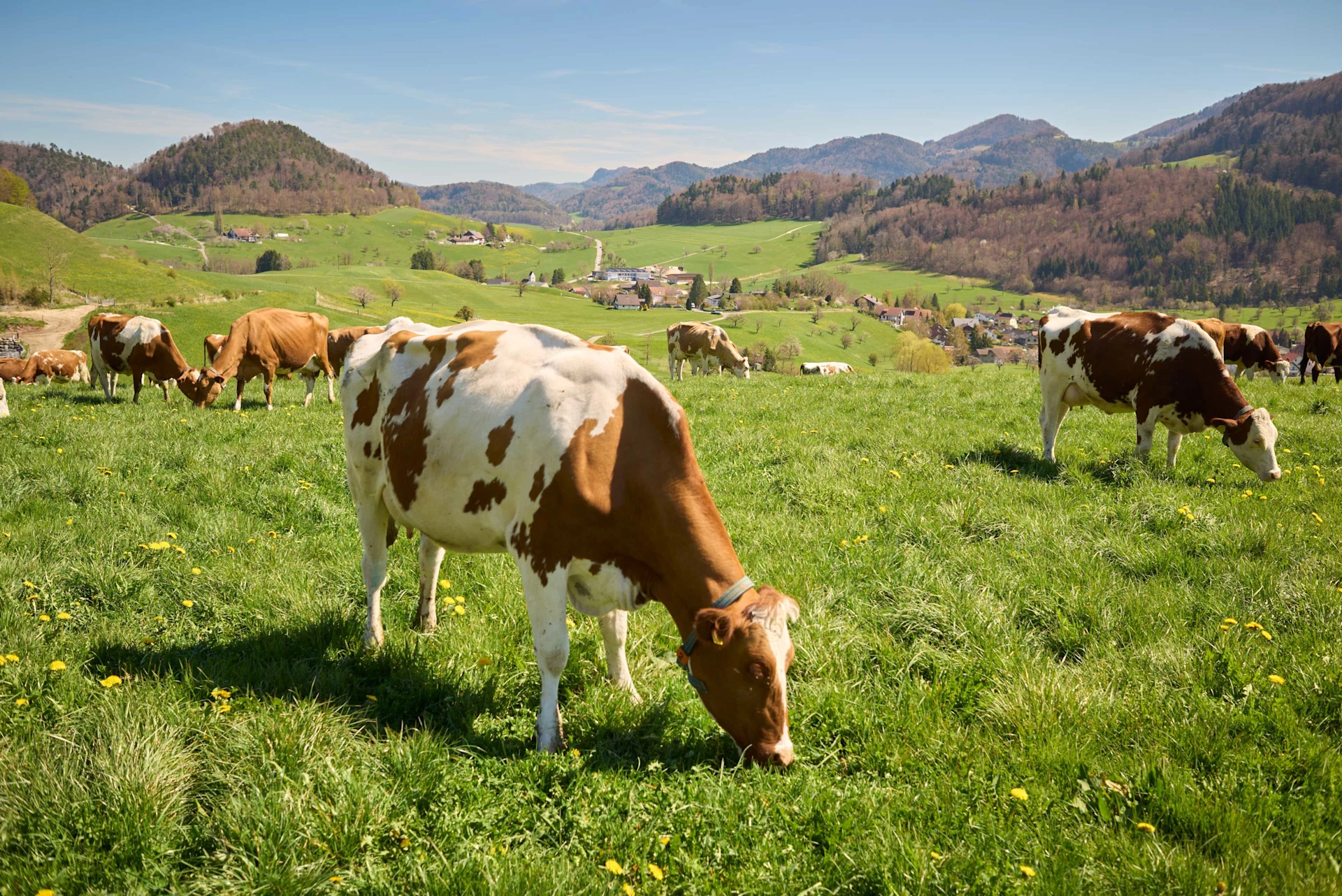
Pamela the dairy cow can currently be seen on a Migros poster. How does farmer Michael Sutter ensure animal welfare?
navigation


Online security
Scammers use fake Swiss phone numbers. From 2026, new rules are intended to curb spoofing – but caution is still advised.
Your mobile rings and a Swiss number appears on the display. However, the caller is actually based abroad and has manipulated the telephone number. This is known as number spoofing.
"This is made possible through special software," says Jens Kaessner, Head of the Networks and Services Security Section at the Federal Office of Communications. Fraudsters also use information from social media channels to create an impression of familiarity during the conversation. Artificial intelligence can additionally imitate the voices of acquaintances or friends.
The callers want money. They put their victims under pressure and encourage them to act quickly by pretending to be a relative in distress, the police or another authority.
Sometimes they claim that a bail payment is required for family members, while other times they might mention a horrendous medical bill – supposedly a matter of life and death. Through skilful deception, they coax out passwords and banking details and thus gain access to the relevant accounts.
Legally speaking, such calls are considered fraud. They are punishable by fines or imprisonment. However, as the perpetrators are usually based abroad and cover their tracks, they are rarely caught.
Telephone providers are obliged to combat spoofing. Swisscom – whose network is also used by Migros Mobile – and Sunrise have already activated their own filters against unwanted advertising calls.
From 2026 onwards, calls with a falsified Swiss number must be marked across all networks if the providers recognise the fake number. "The person receiving the call will then see 'Anonymous' or no phone number at all on the display. In very clear cases, the phone will not ring at all," says Jens Kaessner.
If you don't recognise a number, it's best not to answer the call at all. Anybody calling for a legitimate reason can leave a voicemail. If you do answer, you should never disclose any sensitive data.
Caution is advised if psychological pressure is being applied. In such cases, it is best to hang up and then report the call to the telephone provider or the National Cyber Security Centre (NCSC) here.
Discover exciting stories about all aspects of Migros, our commitment and the people behind it. We also provide practical advice for everyday life.
All StoriesSustainability
Pamela the dairy cow can currently be seen on a Migros poster. How does farmer Michael Sutter ensure animal welfare?

GDI
Price supervisor Stefan Meierhans tackles excessively high prices. We asked him how satisfied he is with Migros.

Ticket festival 4–11.5.2026
As a presenting partner of many festivals in Switzerland, Migros offers you an unforgettable summer of festivals.

Interview
Time and again, medicines are in short supply in Switzerland. We look at why and what to do about it.

Migros Bank
Married couples will soon no longer be taxed jointly. We explain the key points to bear in mind.
Supermarket
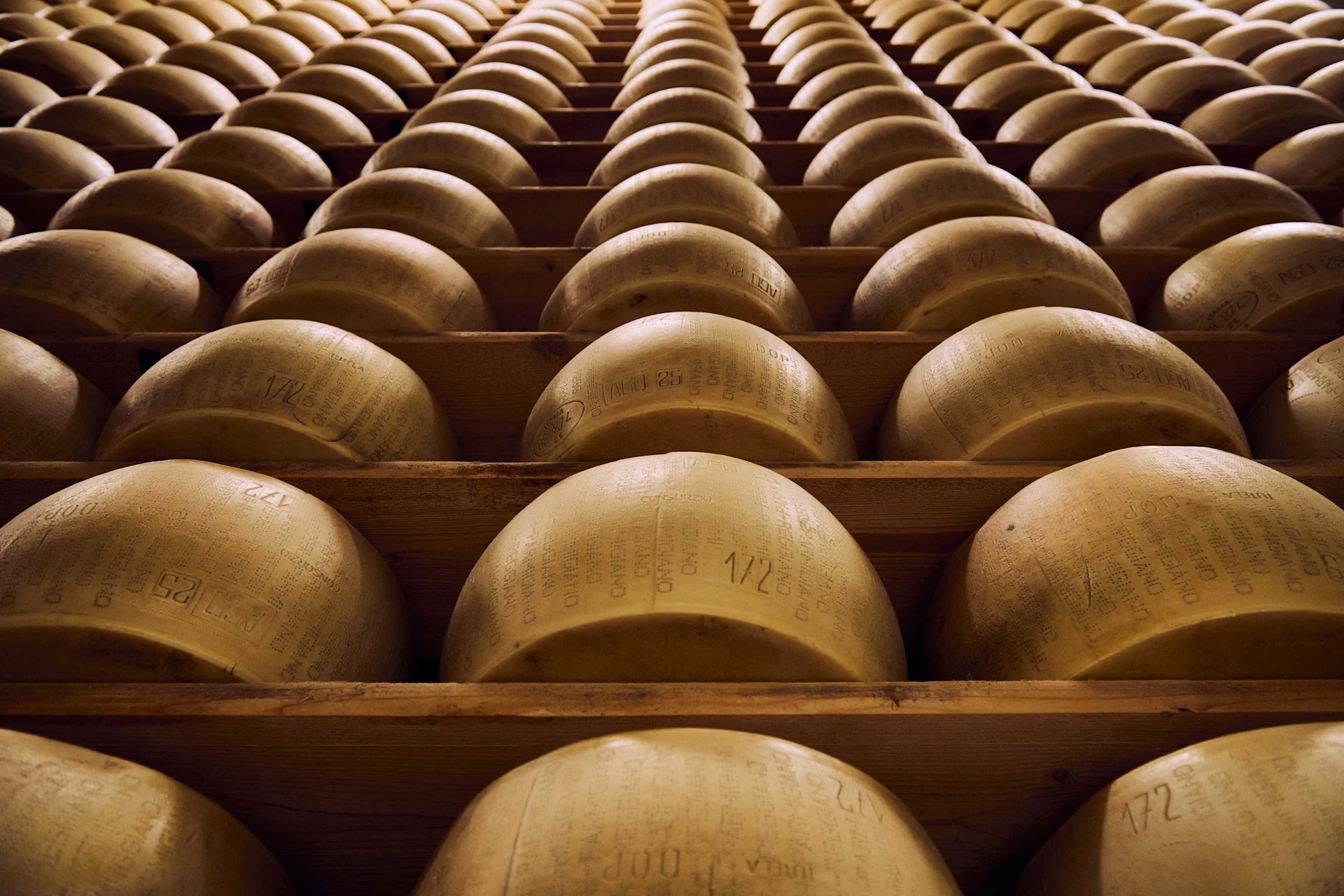
We visit the Italian cheese dairy that makes Parmigiano Reggiano for Migros.

Migros Culture Percentage
Fusaro will represent Switzerland with her song 'Alice', which addresses the issue of violence against women.

Sustainability
Most of the vegetables found in the frozen food aisle are grown in the St. Gallen Rhine Valley. A visit.

Migros Group
The Migros Group is emerging stronger from its transformation. The most important figures for the 2025 financial year.

Migros Pioneer Fund
A Swiss start-up offers you to travel to Barcelona in your sleep while protecting the environment. We tried out

Supermarket
From the initial idea to production: how Easter bunnies are created for Migros and who belongs to the bunny-making team.

Food waste
Any meat products that remain unsold shortly before their use-by date are frozen and then sold at half price.