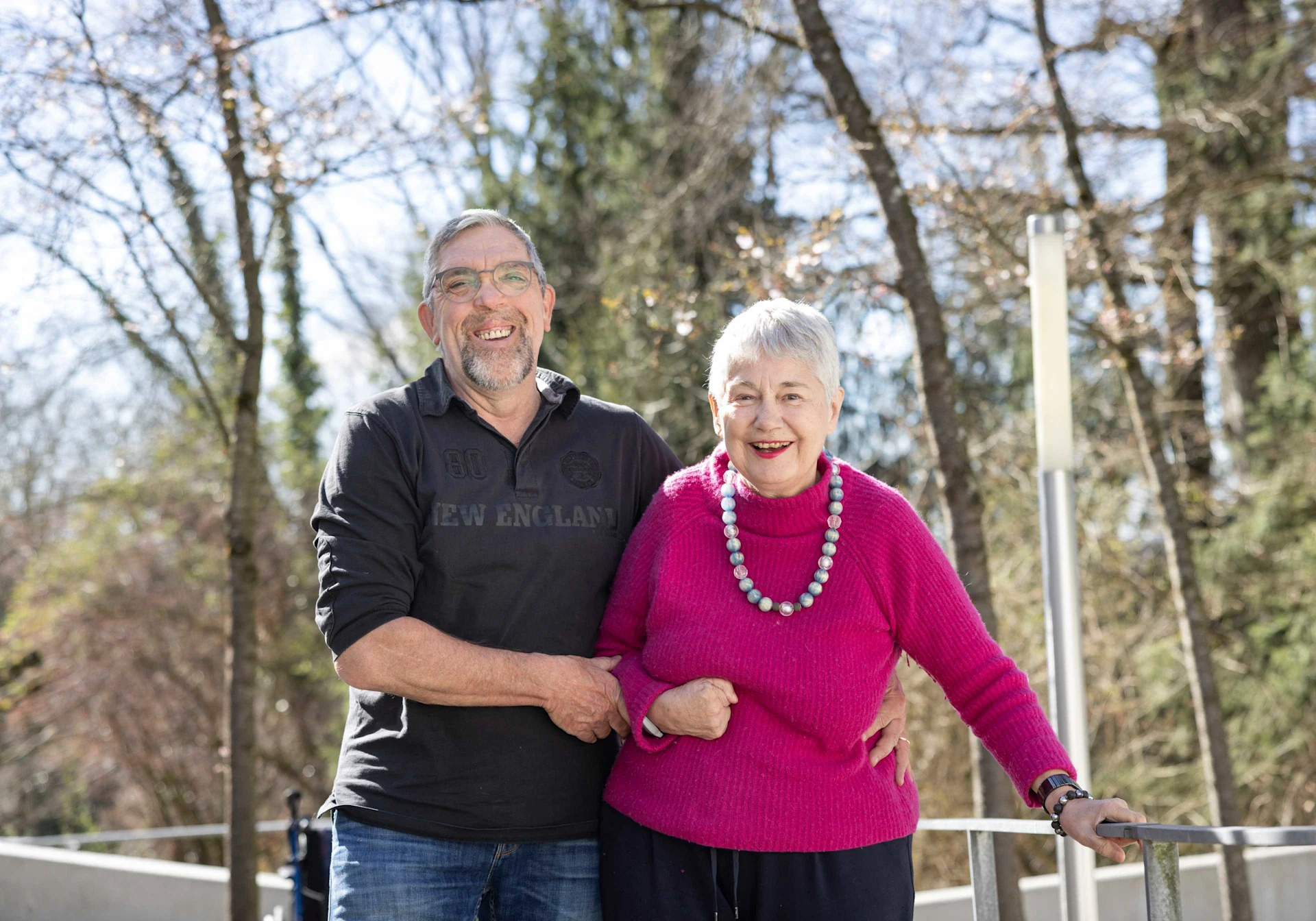
Migros Commitment
Volunteering is rewarding
Almost six million people in Switzerland do voluntary work. Here, four of them reveal what inspires them.
navigation


Medbase
Depression, anxiety, sleep disorders – an ever-increasing number of children and young people are struggling with mental stress. The most important questions and what parents can do.
According to statistics provided by UNICEF, approximately a third of 14- to 19-year-olds in Switzerland suffer from mental stress – and the trend is rising. The main illnesses being suffered are depression, anxiety disorders and sleep problems, says Marianne Bolliger-Crittin, psychotherapist and clinical psychologist at WePractice.
One of the main drivers is the growing pressure to perform – from school to professional life. As a result, families are stretched to their limits more quickly and are less frequently the "safe haven" that children need. In addition, there are various fears about the future in connection with global crises and the changing world of work, for example through artificial intelligence.
Many parents are under a lot of pressure themselves and want to do everything right, says psychotherapist Marianne Bolliger-Crittin. Out of a desire to protect their children, they often make sure that they do not have to deal with any difficult situations. Although this is well-intentioned, it is problematic for a child's development. Children need to learn how to deal with frustration, disappointment and conflict. What's important is that their parents tell them: "I trust you to do this. But I'm here if you need me."
Listen attentively: Take the time to talk on a regular basis, for example at dinner or before going to bed. Make sure to put down your mobile phone and listen without immediately judging or offering solutions. Instead, repeat back to them what you have understood ("That really annoyed you today"). This is how children realise that their feelings count and strengthens their self-esteem.
Create reliable routines: Clear daily structures – from getting up to eating, learning and sleeping – provide orientation and security. They make everyday life predictable, reduce stress and have a stabilising effect, especially in stressful phases.
Encourage social interaction: Take an active interest in your child's friends. Enquire about their names and ask them about experiences and feelings – without being controlling or judging! It is also a good idea to offer time, space or small help for children to meet up, such as by providing transport or an open home.
Discover exciting stories about all aspects of Migros, our commitment and the people behind it. We also provide practical advice for everyday life.
Migros Commitment
Almost six million people in Switzerland do voluntary work. Here, four of them reveal what inspires them.
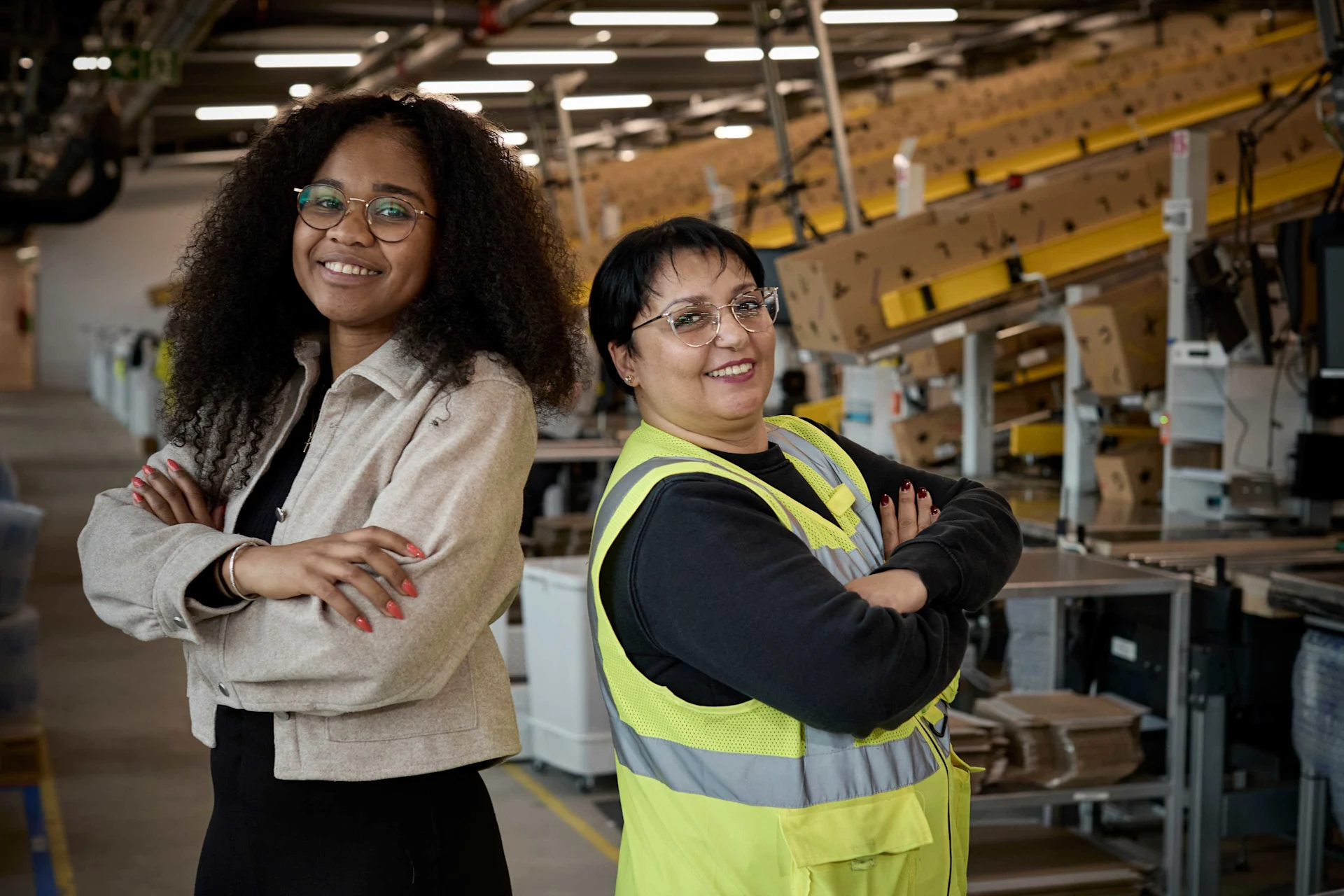
Work environment
Less resilient, but more demanding? Vocational trainers Aurélie and Souad dispel common clichés about young people.

Interview
Time and again, medicines are in short supply in Switzerland. We look at why and what to do about it.

Supermarket
We visit the Italian cheese dairy that makes Parmigiano Reggiano for Migros.

Migros Culture Percentage
Fusaro will represent Switzerland with her song 'Alice', which addresses the issue of violence against women.

Migros Group
The Migros Group is emerging stronger from its transformation. The most important figures for the 2025 financial year.

Supermarket
From the initial idea to production: how Easter bunnies are created for Migros and who belongs to the bunny-making team.

Work environment
Two Migros employees talk about the balancing act of being parents, looking after their children and having a career.
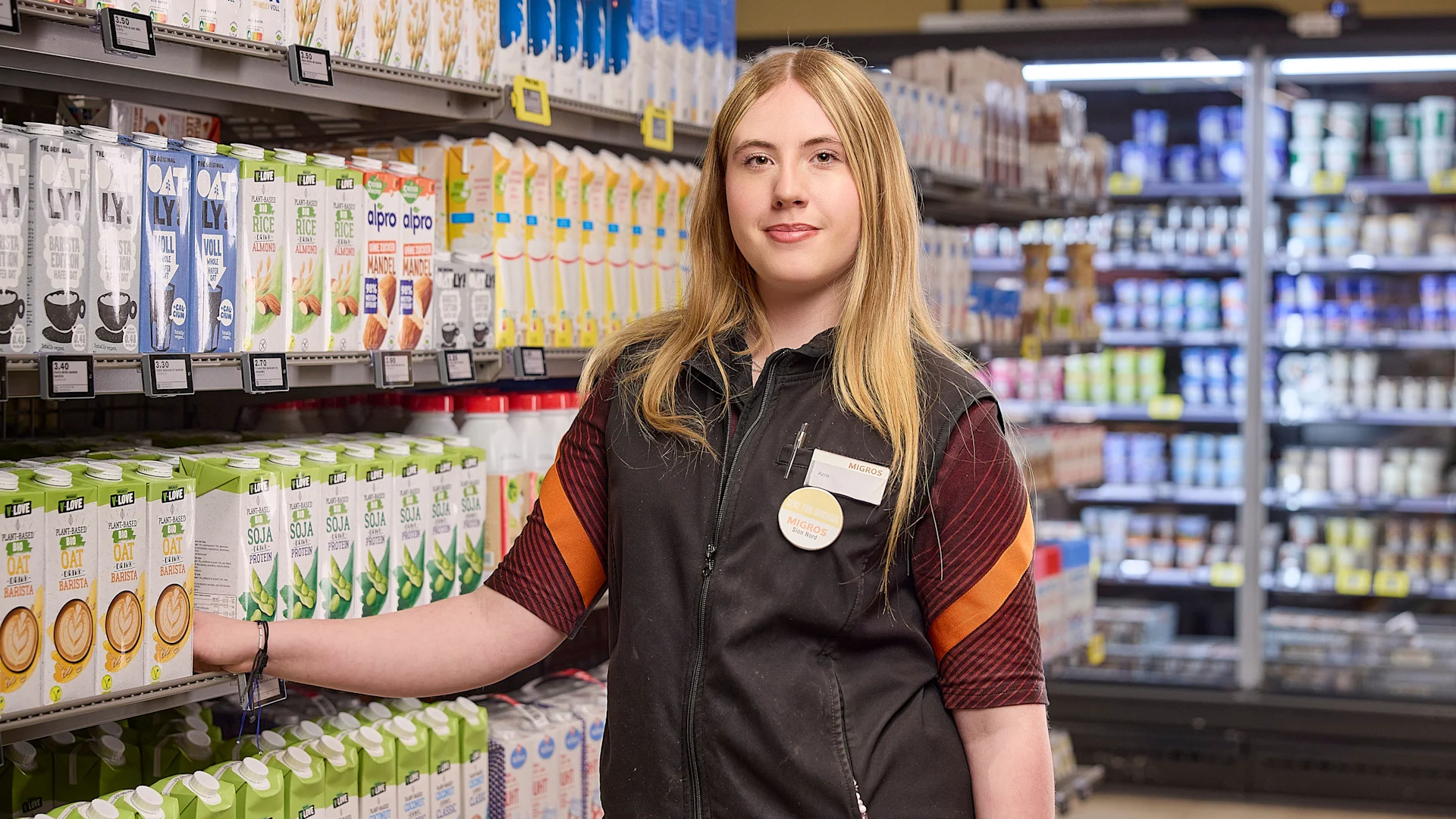
Work environment
Apprentices ran a Migros store in Sion by themselves. We find out what they learned from the experience.

Culture Percentage
Two professional dancers are now presenting their first own choreographic routine at the Steps dance festival.
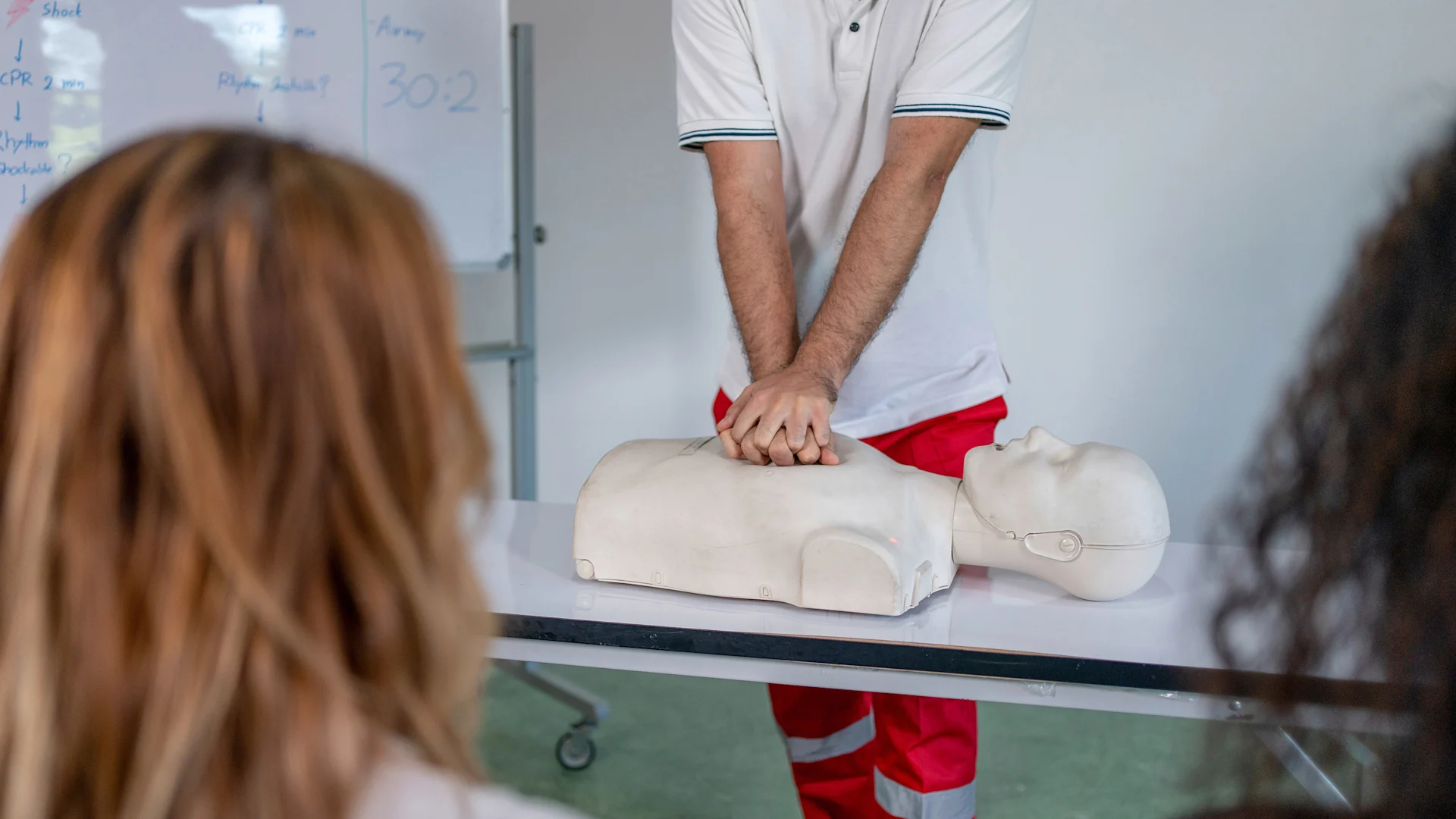
Migros Club School
What should you do first at the scene of an accident and how can you help someone having an epileptic fit?